S
Sophia Hartman
Guest
- Thread Author
- #1
That charming porch display of hay bales, cornstalks, and plump pumpkins might be sending out invitations you never meant to send. Your neighbors see a picture-perfect autumn scene.
The local mice see something else entirely: a cozy bed, a free buffet, and a short walk to your warm kitchen. Fall in Virginia brings a wave of small, furry visitors hunting for winter housing.
Mice are clever, quick, and surprisingly good at slipping indoors. A gap the size of a dime is all they need.
Festive decorations and a mouse-free home can absolutely go together. It all comes down to what you display, where you place it, and when you pack it up.
© Dewey Pest Control
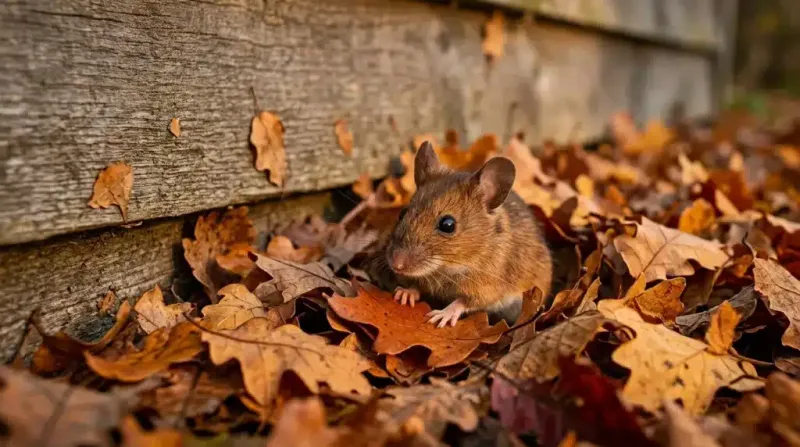
Imagine a tiny mouse shivering on a chilly October night in Virginia. Your warm, glowing house looks like a five-star hotel from where it sits.
Mice do not hibernate like bears or groundhogs. They stay busy all winter, hunting for food, warmth, and safe places to raise babies.
As nights cool down, their search gets more urgent. Pest experts across the state often see mouse calls climb sharply in autumn and early winter.
Fall is also when many families set up festive porch displays. The timing could hardly be worse, since decor arrives just as mice start house hunting.
A single female mouse can have five to ten litters each year. One cozy hiding spot near your door can turn into a crowded colony fast.
Watch for early clues around your yard and porch this month. Tiny dark droppings, chewed leaves, or small burrows near steps deserve a closer look.
Here is a smart move for the season. Walk around your home at dusk and look for spots where a mouse might squeeze inside.
Mice also follow smells, especially food scraps and pet food left outdoors. Bring bowls inside at night so hungry visitors find nothing to munch.
Keep firewood stacked off the ground and away from walls, too. Woodpiles give mice a sheltered hallway straight toward your siding.
Knowing their schedule helps you stay one step ahead. A little attention now can save you a lot of scratching sounds in January.
© theslightlysocialmomsclub
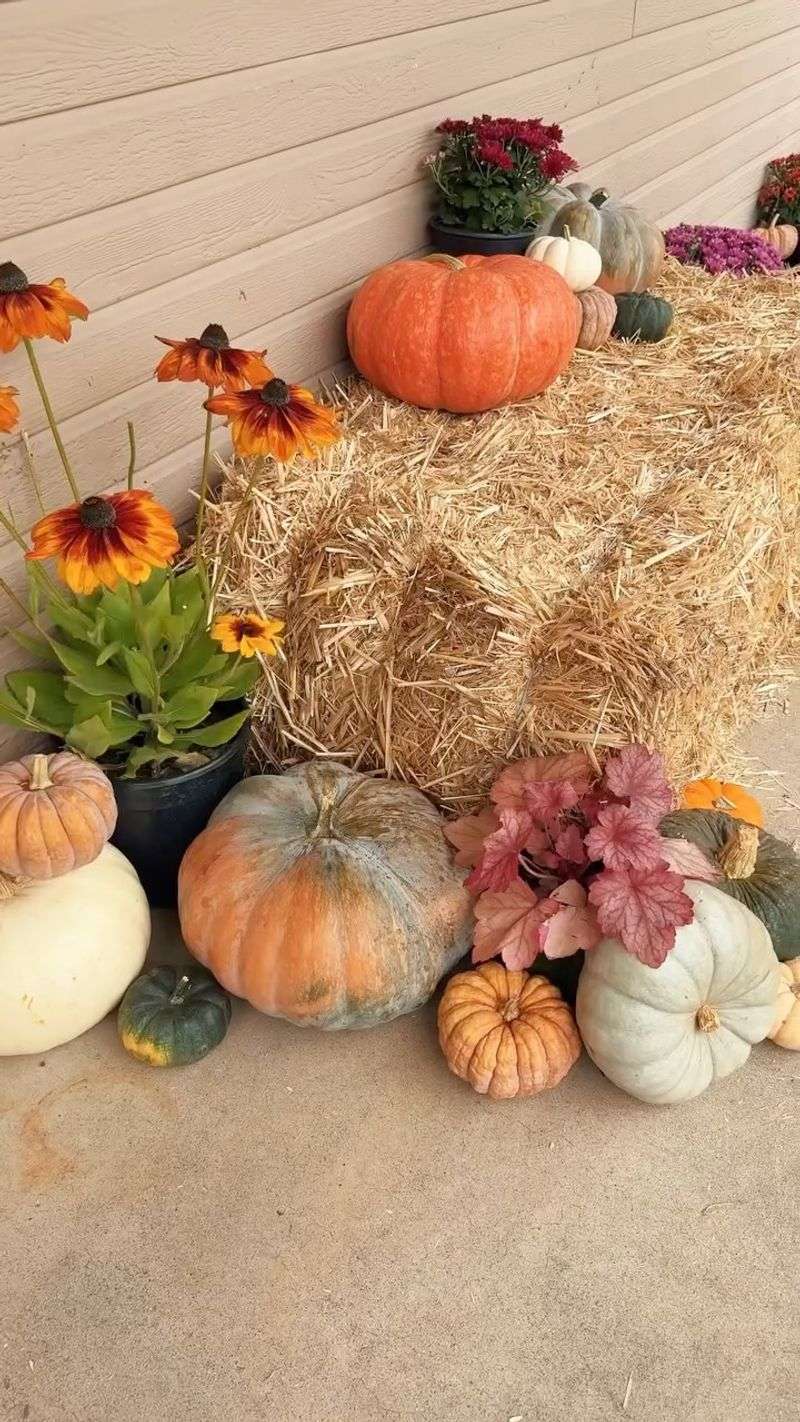
Few things say autumn like a golden hay bale topped with a grinning scarecrow. To a mouse, though, that bale looks more like a furnished apartment.
Hay is packed tightly, which traps heat and blocks wind. Mice can tunnel inside and stay warm even on frosty mornings.
The loose strands also make perfect bedding. Mice shred dry grass to build round nests that hold their body heat.
Food comes with the deal, too. Many bales contain leftover grass seeds, giving mice a snack bar right inside their bedroom.
Straw bales are a slightly better choice than hay. Straw is mostly hollow stems, so it usually holds fewer seeds to tempt hungry critters.
Placement matters just as much as material. Set bales on a patio or driveway rather than in mulch beds near the house.
Lifting bales off the ground can help as well. A plastic pallet or bricks underneath reduces moisture and makes nesting less appealing.
Check your display every few days. Gently press the sides and look for small holes, chewed strands, or droppings near the base.
Some families skip real hay entirely and choose faux bales made of foam or fabric. They look surprisingly realistic and offer mice nothing to eat.
Wondering what to do once the season ends? Many local farms and gardeners happily take old hay for compost or garden mulch.
If you use it as mulch, spread it far from your foundation. That way the old bale gets a second life without drawing pests closer.
© Vulcan Termite & Pest Control
Here is a fun fact for your next fall party. A single ear of field corn can hold around 800 kernels.
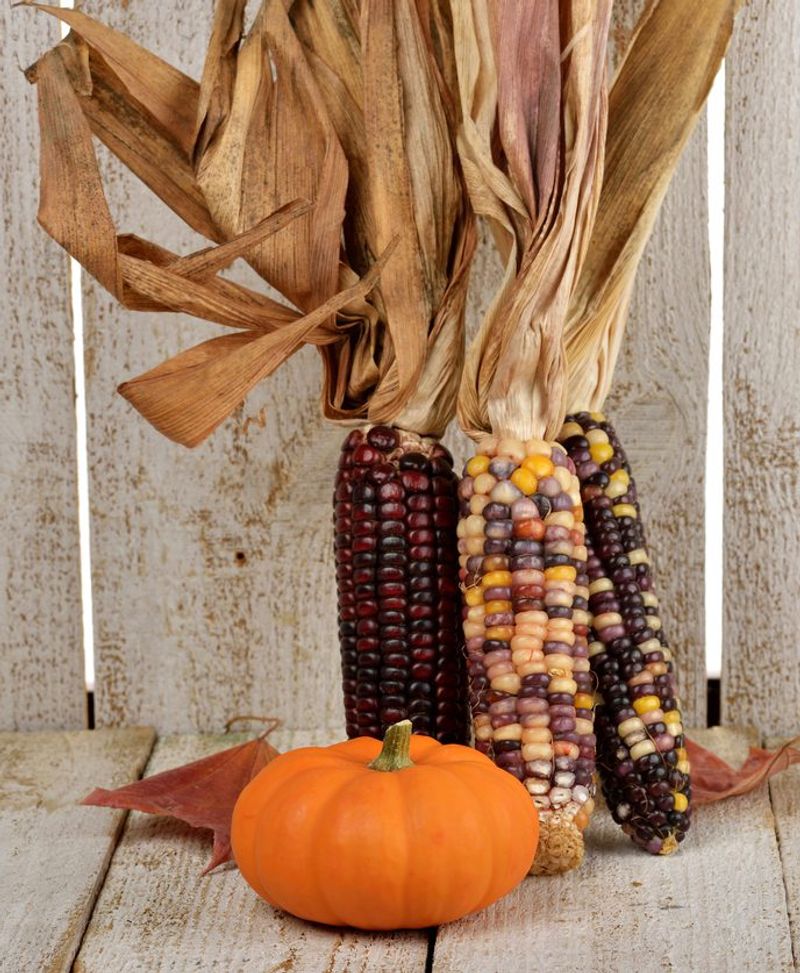
Even after harvest, plenty of those kernels stay stuck to the stalks. Decorative cornstalks sold at markets often carry partial ears or loose bits.
Mice have sharp noses and can sniff out grain from surprising distances. A bundle of stalks tied to your porch post is basically a dinner bell.
The dry, papery leaves offer cover too. Mice feel safer eating where hawks, owls, and cats cannot easily spot them.
Before you set stalks up, give them a good shake over a tarp. Pick off any leftover ears or stray kernels you find.
A quick spray of water can wash away dusty seed bits hiding in the leaf folds. Let the stalks dry in the sun before displaying them.
Tie bundles to railings or lampposts instead of leaning them against siding. A gap of a few feet gives mice fewer easy paths toward your walls.
Keep an eye out for gnawed leaves or tiny shredded pieces on the ground. Those crumbs often mean someone small has been visiting overnight.
Squirrels, deer, and raccoons enjoy corn too, so local yards can see extra traffic. Fewer kernels mean fewer furry guests of every size.
Ornamental Indian corn is another common culprit. Hang those colorful ears indoors instead, where outdoor critters cannot reach them.
Bird lovers sometimes leave corn out on purpose for wildlife. If you do, place feeders well away from the house and your decorations.
© Reddit
Carving pumpkins with friends is a classic October memory. Sadly, the gooey seeds you scoop out are a feast for mice and rats.
Rodents love both the soft flesh and the crunchy seeds. Once a pumpkin is cut open, the smell travels fast through cool evening air.
Whole pumpkins last longer, but they still soften over time. As the skin weakens, small teeth can break through with little effort.
Warm fall afternoons can speed up rotting. A carved jack-o-lantern may only last a week or so before turning mushy.
Toss the seeds and pulp right away instead of leaving them in an outdoor bin. Seal scraps in a bag or add them to a covered compost.
Roasting the seeds is a tasty option too. You get a crunchy snack, and the mice get nothing.
To help pumpkins last, wipe the inside with a mild bleach and water mix. Some people also rub petroleum jelly on cut edges to slow drying.
Displaying gourds on a table or raised stand helps too. Ground-level fruit is much easier for critters to reach and nibble.
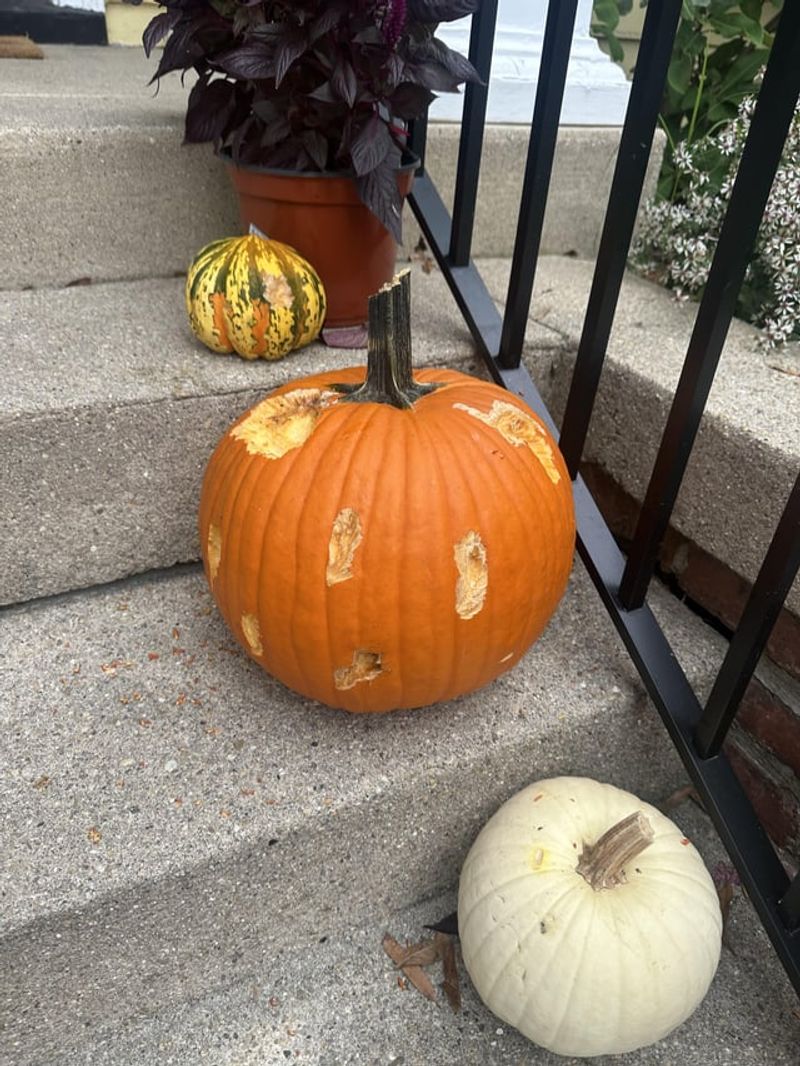
Check each pumpkin daily for small holes or scraped spots. Tiny bite marks near the bottom are a common sign of rodent visits.
Faux pumpkins made of foam or resin are a clever swap. You can reuse them for years, and they will not attract a single whisker.
Squirrels may beat mice to the snack in some neighborhoods. Either way, a nibbled pumpkin tells you local wildlife has noticed your porch.
© Simple Pest
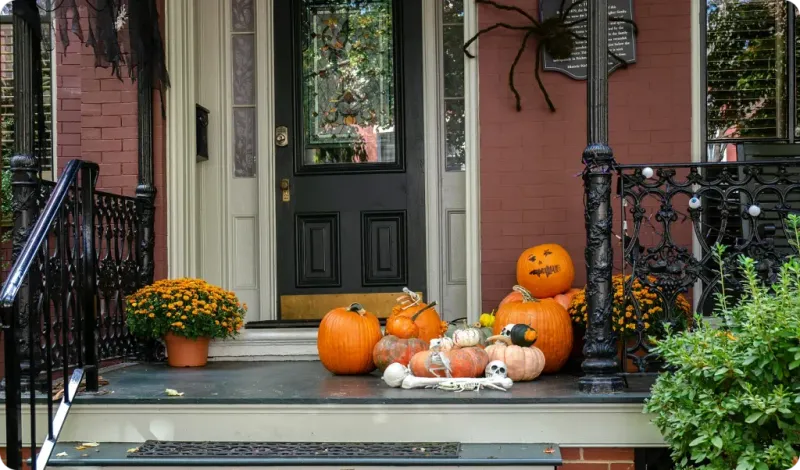
Imagine handing a mouse a ladder and pointing it toward your door. Stacking decor right against your house does almost the same thing.
Mice like to travel along walls instead of crossing open ground. Hugging the edges keeps them hidden from predators and close to possible entry points.
When hay, cornstalks, or pumpkins sit against your foundation, they create a sheltered hallway. Mice can rest there and explore cracks without being noticed.
A good rule is to leave two or three feet of space. Clear ground between decorations and walls makes sneaking up much harder.
Front steps are a popular display spot, so think about layout. Place larger items on the outer edges of steps rather than near the door frame.
Mulch beds deserve a second look too. Thick mulch near homes already offers cover, and adding hay on top doubles the appeal.
Rake mulch back a few inches from the siding before decorating. A thin strip of gravel along the foundation also discourages burrowing.
Lighting can help in a small way. Mice prefer shadows, so a bright porch light may make some visitors think twice.
Don’t forget about shrubs. Trimming bushes away from walls removes another hidden pathway that leads mice straight to your home.
Try this simple test. Stand in your yard and ask yourself where you would hide if you were three inches tall.
Then move anything that creates a tunnel or shady pocket near the walls. Your display will still look festive, just from a safer distance.
© Martha Stewart
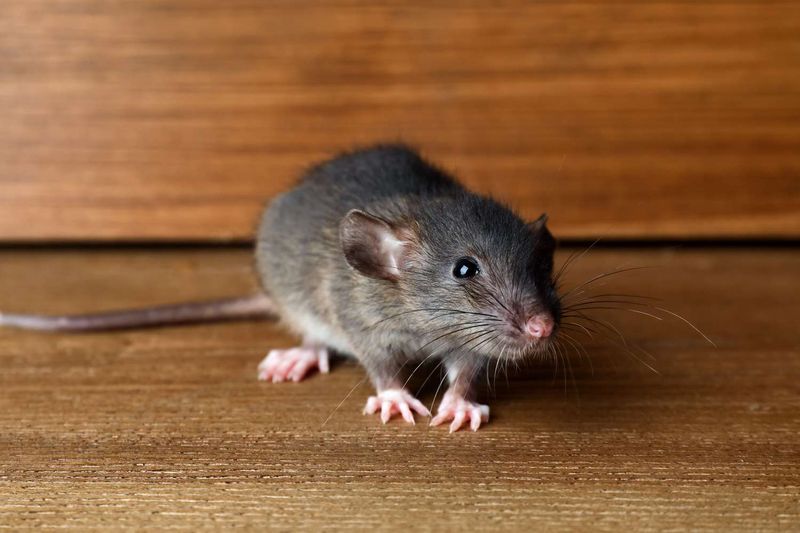
Dark corners, stacked boxes, and weeks of quiet make garages a favorite mouse hideout. Attics and sheds share those same tempting features.
Many Halloween decorations are packed with soft stuff mice adore. Fake spider webs, costume fabric, and stuffing make ideal nesting material.
Cardboard boxes offer almost no protection. Mice can chew through them in a single night and shred the paper for bedding.
Most garages also have gaps under the main door. Even a worn rubber seal can leave an opening wide enough for a determined mouse.
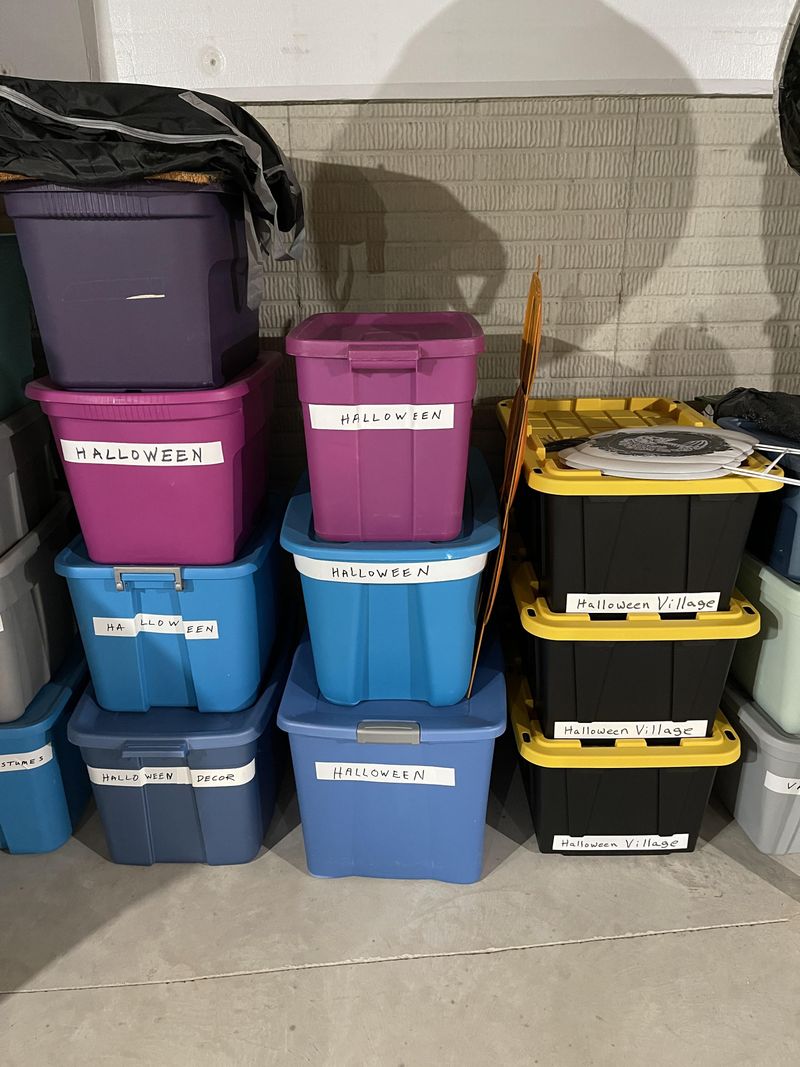
Store decorations in sturdy plastic bins with tight, snap-on lids. Clear bins work nicely because you can spot trouble without opening them.
If indoor space allows, a closet inside your living area is a smarter choice. Rooms you use daily get more foot traffic, which mice dislike.
Shelving helps when the garage is your only option. Keep bins off the floor and away from walls so mice have fewer climbing routes.
Toss in a few cotton balls dabbed with peppermint oil. Some homeowners swear by the scent, though results vary from house to house.
Skip storing anything that smells like food alongside your decor. Candy wrappers, leftover treats, or pumpkin scented candles can tempt hungry noses.
Replace worn garage door seals before winter, too. A new rubber strip costs little and closes one of the most common entry points.
Virginia winters bring plenty of cold snaps that push mice indoors. A little planning now keeps your favorite props safe until next October.
© Dan Can Home Services
Could a mouse really squeeze through a hole the size of a dime? Surprisingly, yes, since their skulls are small and their bodies are very flexible.
Openings about a quarter inch wide are enough for a young mouse. That means many gaps you barely notice could serve as front doors.
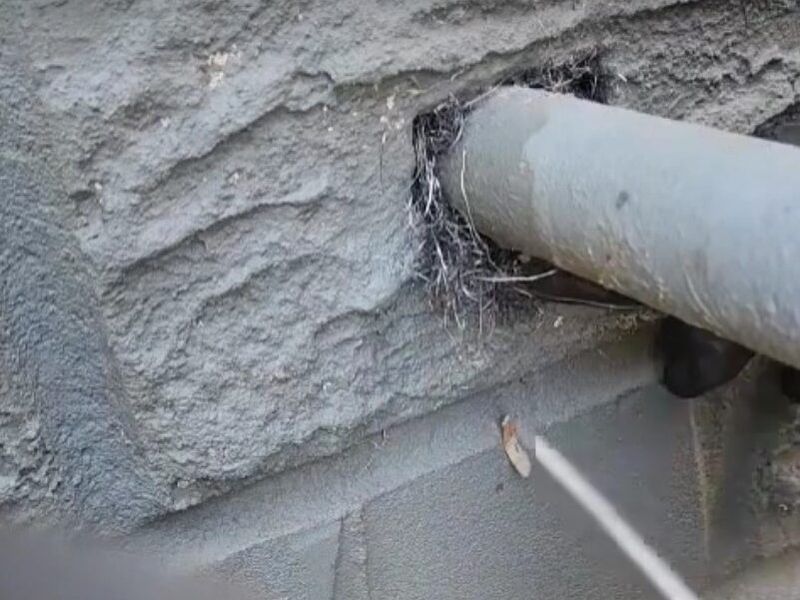
Common entry points include foundation cracks and gaps around pipes. Spaces near dryer vents, cable lines, and outdoor faucets are also popular.
Grab a flashlight and walk your home’s exterior on a sunny afternoon. Look closely at corners, vents, and where different building materials meet.
Steel wool is a handy first tool for small holes. Mice dislike chewing the sharp fibers, especially when sealed with caulk on top.
For larger openings, try hardware cloth or metal flashing. Expanding foam alone is easy for rodents to gnaw, so pair it with metal.
Doors deserve attention as well. Install door sweeps and check that weatherstripping fits snugly, especially on side and basement doors.
Older homes in Virginia often have settling cracks in brick or stone foundations. A tube of masonry sealant can fix many small trouble spots quickly.
Crawl spaces and attic vents need screens in good shape. Torn mesh gives mice an easy highway into insulation and wall voids.
Timing makes a real difference here. Sealing gaps in early fall, before decorations go up, blocks mice before they settle nearby.
Tackle the job on a weekend afternoon with a friend or family member. One person can shine the light while the other spots and seals.
© Reddit
Nobody wants to open a storage bin next fall and find a family of mice inside. A quick inspection before packing can prevent that unpleasant surprise.
Start by setting each decoration on a clear table or tarp. Good lighting makes it easier to see small details you might otherwise miss.
Look for tiny droppings shaped like dark grains of rice. Chewed edges, shredded fabric, and small holes are other common warning signs.
Nests often look like a loose ball of shredded material. You might find them tucked inside hollow props, wreaths, or folded costumes.
Shine a flashlight into hollow props. Mice love tight, dark spaces inside skeletons and foam tombstones.
Wear gloves while you inspect anything suspicious. Mice can carry germs, so avoid touching droppings or nesting bits with bare hands.
If you find droppings, spray the area with a disinfectant first. Wipe it up with paper towels rather than sweeping, which can stir up dust.
Shake out fabric items like capes, banners, and table runners. Then wash or wipe them before folding them neatly into a bin.
Inflatable yard decorations need extra care. Mice like the soft folds and may chew small holes that cause leaks next year.
Let everything dry fully before storing it away. Damp items can grow mold and smell musty, which may attract more pests.
Toss any decoration that is badly chewed or soiled. Replacing a cheap prop costs less than inviting a new colony next season.
Many Virginia families store decor for eleven months at a time. A careful check now protects your favorite pieces through that long stretch.
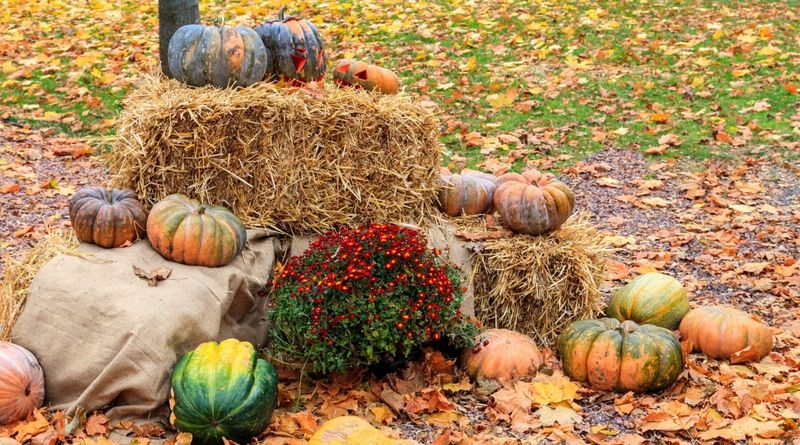
© Epic Gardening
November 1 might feel like a lazy day for recovering from candy overload. It is also the perfect time to start clearing away your outdoor display.
Old pumpkins, soggy hay, and drooping cornstalks only get more tempting to pests over time. Rotting fruit draws mice, rats, flies, and even raccoons.
Aim to clear natural decorations within a week after Halloween. Waiting until Thanksgiving gives mice weeks to settle in and start nesting.
Many towns across Virginia offer curbside yard waste pickup in the fall. Check your local schedule so pumpkins and stalks leave your property quickly.
Composting is another earth-friendly choice. Bury pumpkin pieces in the middle of a covered pile so critters cannot easily dig them out.
Some communities host pumpkin smash events after Halloween. Kids can toss old jack-o-lanterns into collection bins, which turns cleanup into a fun outing.
Rake up leftover straw, seeds, and corn husks once the big items are gone. Scattered bits can still feed mice long after the display disappears.
Sweep porches and steps, too. Crumbs from trick-or-treat candy can draw ants and rodents to your front door.
Take a final walk around the house when you finish. Look for any new droppings or burrows that might need attention.
Swapping in fresh fall decor is fine if you choose wisely. Potted mums, faux leaves, or a simple wreath look lovely without feeding anyone.
A tidy yard sends a clear message to visiting mice. With nothing to eat and nowhere to hide, they will likely keep moving down the road.
The post Your Halloween Hay Bales And Cornstalks Could Be Inviting Mice Into Your Virginia Home appeared first on Positivebloom.
The local mice see something else entirely: a cozy bed, a free buffet, and a short walk to your warm kitchen. Fall in Virginia brings a wave of small, furry visitors hunting for winter housing.
Mice are clever, quick, and surprisingly good at slipping indoors. A gap the size of a dime is all they need.
Festive decorations and a mouse-free home can absolutely go together. It all comes down to what you display, where you place it, and when you pack it up.
Mice Are Looking For Winter Shelter Right Now
© Dewey Pest Control
Imagine a tiny mouse shivering on a chilly October night in Virginia. Your warm, glowing house looks like a five-star hotel from where it sits.
Mice do not hibernate like bears or groundhogs. They stay busy all winter, hunting for food, warmth, and safe places to raise babies.
As nights cool down, their search gets more urgent. Pest experts across the state often see mouse calls climb sharply in autumn and early winter.
Fall is also when many families set up festive porch displays. The timing could hardly be worse, since decor arrives just as mice start house hunting.
A single female mouse can have five to ten litters each year. One cozy hiding spot near your door can turn into a crowded colony fast.
Watch for early clues around your yard and porch this month. Tiny dark droppings, chewed leaves, or small burrows near steps deserve a closer look.
Here is a smart move for the season. Walk around your home at dusk and look for spots where a mouse might squeeze inside.
Mice also follow smells, especially food scraps and pet food left outdoors. Bring bowls inside at night so hungry visitors find nothing to munch.
Keep firewood stacked off the ground and away from walls, too. Woodpiles give mice a sheltered hallway straight toward your siding.
Knowing their schedule helps you stay one step ahead. A little attention now can save you a lot of scratching sounds in January.
Hay Bales Make A Cozy Nesting Spot
© theslightlysocialmomsclub
Few things say autumn like a golden hay bale topped with a grinning scarecrow. To a mouse, though, that bale looks more like a furnished apartment.
Hay is packed tightly, which traps heat and blocks wind. Mice can tunnel inside and stay warm even on frosty mornings.
The loose strands also make perfect bedding. Mice shred dry grass to build round nests that hold their body heat.
Food comes with the deal, too. Many bales contain leftover grass seeds, giving mice a snack bar right inside their bedroom.
Straw bales are a slightly better choice than hay. Straw is mostly hollow stems, so it usually holds fewer seeds to tempt hungry critters.
Placement matters just as much as material. Set bales on a patio or driveway rather than in mulch beds near the house.
Lifting bales off the ground can help as well. A plastic pallet or bricks underneath reduces moisture and makes nesting less appealing.
Check your display every few days. Gently press the sides and look for small holes, chewed strands, or droppings near the base.
Some families skip real hay entirely and choose faux bales made of foam or fabric. They look surprisingly realistic and offer mice nothing to eat.
Wondering what to do once the season ends? Many local farms and gardeners happily take old hay for compost or garden mulch.
If you use it as mulch, spread it far from your foundation. That way the old bale gets a second life without drawing pests closer.
Cornstalks Often Hold Leftover Kernels
© Vulcan Termite & Pest Control
Here is a fun fact for your next fall party. A single ear of field corn can hold around 800 kernels.
Even after harvest, plenty of those kernels stay stuck to the stalks. Decorative cornstalks sold at markets often carry partial ears or loose bits.
Mice have sharp noses and can sniff out grain from surprising distances. A bundle of stalks tied to your porch post is basically a dinner bell.
The dry, papery leaves offer cover too. Mice feel safer eating where hawks, owls, and cats cannot easily spot them.
Before you set stalks up, give them a good shake over a tarp. Pick off any leftover ears or stray kernels you find.
A quick spray of water can wash away dusty seed bits hiding in the leaf folds. Let the stalks dry in the sun before displaying them.
Tie bundles to railings or lampposts instead of leaning them against siding. A gap of a few feet gives mice fewer easy paths toward your walls.
Keep an eye out for gnawed leaves or tiny shredded pieces on the ground. Those crumbs often mean someone small has been visiting overnight.
Squirrels, deer, and raccoons enjoy corn too, so local yards can see extra traffic. Fewer kernels mean fewer furry guests of every size.
Ornamental Indian corn is another common culprit. Hang those colorful ears indoors instead, where outdoor critters cannot reach them.
Bird lovers sometimes leave corn out on purpose for wildlife. If you do, place feeders well away from the house and your decorations.
Gourds And Pumpkins Are An Easy Snack
Carving pumpkins with friends is a classic October memory. Sadly, the gooey seeds you scoop out are a feast for mice and rats.
Rodents love both the soft flesh and the crunchy seeds. Once a pumpkin is cut open, the smell travels fast through cool evening air.
Whole pumpkins last longer, but they still soften over time. As the skin weakens, small teeth can break through with little effort.
Warm fall afternoons can speed up rotting. A carved jack-o-lantern may only last a week or so before turning mushy.
Toss the seeds and pulp right away instead of leaving them in an outdoor bin. Seal scraps in a bag or add them to a covered compost.
Roasting the seeds is a tasty option too. You get a crunchy snack, and the mice get nothing.
To help pumpkins last, wipe the inside with a mild bleach and water mix. Some people also rub petroleum jelly on cut edges to slow drying.
Displaying gourds on a table or raised stand helps too. Ground-level fruit is much easier for critters to reach and nibble.
Check each pumpkin daily for small holes or scraped spots. Tiny bite marks near the bottom are a common sign of rodent visits.
Faux pumpkins made of foam or resin are a clever swap. You can reuse them for years, and they will not attract a single whisker.
Squirrels may beat mice to the snack in some neighborhoods. Either way, a nibbled pumpkin tells you local wildlife has noticed your porch.
Keep Decor Away From Your Foundation
© Simple Pest
Imagine handing a mouse a ladder and pointing it toward your door. Stacking decor right against your house does almost the same thing.
Mice like to travel along walls instead of crossing open ground. Hugging the edges keeps them hidden from predators and close to possible entry points.
When hay, cornstalks, or pumpkins sit against your foundation, they create a sheltered hallway. Mice can rest there and explore cracks without being noticed.
A good rule is to leave two or three feet of space. Clear ground between decorations and walls makes sneaking up much harder.
Front steps are a popular display spot, so think about layout. Place larger items on the outer edges of steps rather than near the door frame.
Mulch beds deserve a second look too. Thick mulch near homes already offers cover, and adding hay on top doubles the appeal.
Rake mulch back a few inches from the siding before decorating. A thin strip of gravel along the foundation also discourages burrowing.
Lighting can help in a small way. Mice prefer shadows, so a bright porch light may make some visitors think twice.
Don’t forget about shrubs. Trimming bushes away from walls removes another hidden pathway that leads mice straight to your home.
Try this simple test. Stand in your yard and ask yourself where you would hide if you were three inches tall.
Then move anything that creates a tunnel or shady pocket near the walls. Your display will still look festive, just from a safer distance.
Never Store Old Decorations In The Garage
© Martha Stewart
Dark corners, stacked boxes, and weeks of quiet make garages a favorite mouse hideout. Attics and sheds share those same tempting features.
Many Halloween decorations are packed with soft stuff mice adore. Fake spider webs, costume fabric, and stuffing make ideal nesting material.
Cardboard boxes offer almost no protection. Mice can chew through them in a single night and shred the paper for bedding.
Most garages also have gaps under the main door. Even a worn rubber seal can leave an opening wide enough for a determined mouse.
Store decorations in sturdy plastic bins with tight, snap-on lids. Clear bins work nicely because you can spot trouble without opening them.
If indoor space allows, a closet inside your living area is a smarter choice. Rooms you use daily get more foot traffic, which mice dislike.
Shelving helps when the garage is your only option. Keep bins off the floor and away from walls so mice have fewer climbing routes.
Toss in a few cotton balls dabbed with peppermint oil. Some homeowners swear by the scent, though results vary from house to house.
Skip storing anything that smells like food alongside your decor. Candy wrappers, leftover treats, or pumpkin scented candles can tempt hungry noses.
Replace worn garage door seals before winter, too. A new rubber strip costs little and closes one of the most common entry points.
Virginia winters bring plenty of cold snaps that push mice indoors. A little planning now keeps your favorite props safe until next October.
Seal Gaps Before Mice Find Them
© Dan Can Home Services
Could a mouse really squeeze through a hole the size of a dime? Surprisingly, yes, since their skulls are small and their bodies are very flexible.
Openings about a quarter inch wide are enough for a young mouse. That means many gaps you barely notice could serve as front doors.
Common entry points include foundation cracks and gaps around pipes. Spaces near dryer vents, cable lines, and outdoor faucets are also popular.
Grab a flashlight and walk your home’s exterior on a sunny afternoon. Look closely at corners, vents, and where different building materials meet.
Steel wool is a handy first tool for small holes. Mice dislike chewing the sharp fibers, especially when sealed with caulk on top.
For larger openings, try hardware cloth or metal flashing. Expanding foam alone is easy for rodents to gnaw, so pair it with metal.
Doors deserve attention as well. Install door sweeps and check that weatherstripping fits snugly, especially on side and basement doors.
Older homes in Virginia often have settling cracks in brick or stone foundations. A tube of masonry sealant can fix many small trouble spots quickly.
Crawl spaces and attic vents need screens in good shape. Torn mesh gives mice an easy highway into insulation and wall voids.
Timing makes a real difference here. Sealing gaps in early fall, before decorations go up, blocks mice before they settle nearby.
Tackle the job on a weekend afternoon with a friend or family member. One person can shine the light while the other spots and seals.
Check Decorations For Nests Before Packing Up
Nobody wants to open a storage bin next fall and find a family of mice inside. A quick inspection before packing can prevent that unpleasant surprise.
Start by setting each decoration on a clear table or tarp. Good lighting makes it easier to see small details you might otherwise miss.
Look for tiny droppings shaped like dark grains of rice. Chewed edges, shredded fabric, and small holes are other common warning signs.
Nests often look like a loose ball of shredded material. You might find them tucked inside hollow props, wreaths, or folded costumes.
Shine a flashlight into hollow props. Mice love tight, dark spaces inside skeletons and foam tombstones.
Wear gloves while you inspect anything suspicious. Mice can carry germs, so avoid touching droppings or nesting bits with bare hands.
If you find droppings, spray the area with a disinfectant first. Wipe it up with paper towels rather than sweeping, which can stir up dust.
Shake out fabric items like capes, banners, and table runners. Then wash or wipe them before folding them neatly into a bin.
Inflatable yard decorations need extra care. Mice like the soft folds and may chew small holes that cause leaks next year.
Let everything dry fully before storing it away. Damp items can grow mold and smell musty, which may attract more pests.
Toss any decoration that is badly chewed or soiled. Replacing a cheap prop costs less than inviting a new colony next season.
Many Virginia families store decor for eleven months at a time. A careful check now protects your favorite pieces through that long stretch.
Clear Everything Out Soon After Halloween
© Epic Gardening
November 1 might feel like a lazy day for recovering from candy overload. It is also the perfect time to start clearing away your outdoor display.
Old pumpkins, soggy hay, and drooping cornstalks only get more tempting to pests over time. Rotting fruit draws mice, rats, flies, and even raccoons.
Aim to clear natural decorations within a week after Halloween. Waiting until Thanksgiving gives mice weeks to settle in and start nesting.
Many towns across Virginia offer curbside yard waste pickup in the fall. Check your local schedule so pumpkins and stalks leave your property quickly.
Composting is another earth-friendly choice. Bury pumpkin pieces in the middle of a covered pile so critters cannot easily dig them out.
Some communities host pumpkin smash events after Halloween. Kids can toss old jack-o-lanterns into collection bins, which turns cleanup into a fun outing.
Rake up leftover straw, seeds, and corn husks once the big items are gone. Scattered bits can still feed mice long after the display disappears.
Sweep porches and steps, too. Crumbs from trick-or-treat candy can draw ants and rodents to your front door.
Take a final walk around the house when you finish. Look for any new droppings or burrows that might need attention.
Swapping in fresh fall decor is fine if you choose wisely. Potted mums, faux leaves, or a simple wreath look lovely without feeding anyone.
A tidy yard sends a clear message to visiting mice. With nothing to eat and nowhere to hide, they will likely keep moving down the road.
The post Your Halloween Hay Bales And Cornstalks Could Be Inviting Mice Into Your Virginia Home appeared first on Positivebloom.