M
Mirella Vance
Guest
- Thread Author
- #1
If there’s a red tip photinia hedge in your yard, you may have noticed it isn’t what it used to be. Leaves are spotted, branches look bare, and the gaps keep getting bigger every year.
You’re far from alone. This shrub was once one of the most popular hedges in Texas, planted along fences and driveways in neighborhoods across the state.
The main culprit is a stubborn fungal disease that thrives on these shrubs. It starts as small red or purple spots on the leaves, then spreads until branches drop their foliage and whole sections of hedge go bare.
Because so many photinias were planted close together, the disease moved easily from yard to yard. Constant shearing to keep those red tips coming only made things worse.
That’s why more Texans are pulling out their old hedges and looking for tougher, longer-lasting replacements.
© Plantgeh
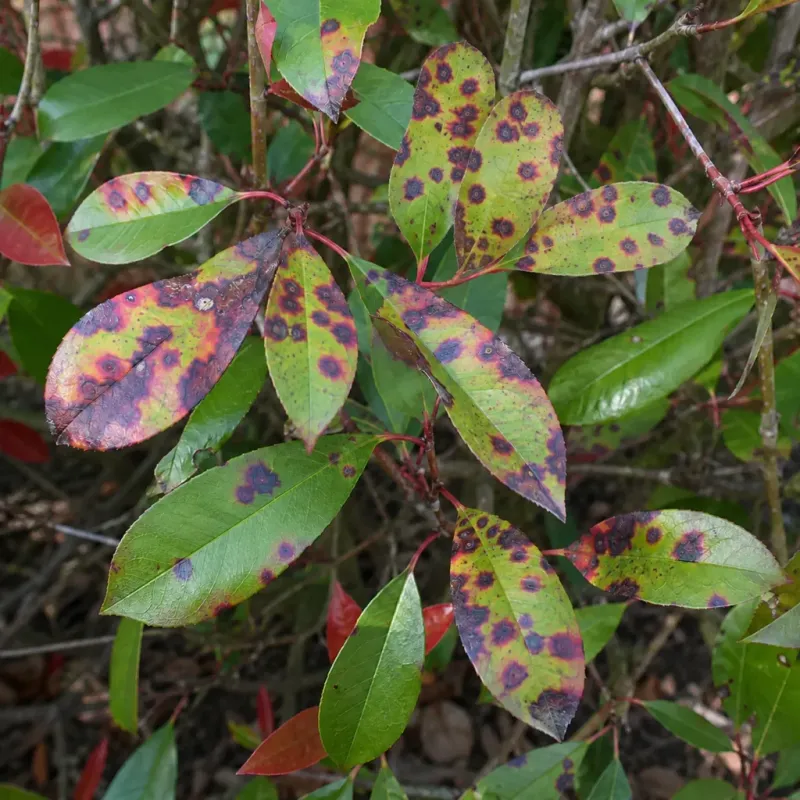
Tiny red dots might not seem like a big deal at first. On red tip photinia, though, those little spots are a warning sign. They point to a fungal disease called Entomosporium leaf spot.
The fungus starts by making small, round spots on the leaves. They are usually bright red or purple. Over time, the spots grow and join together, and the centers often turn gray or tan.
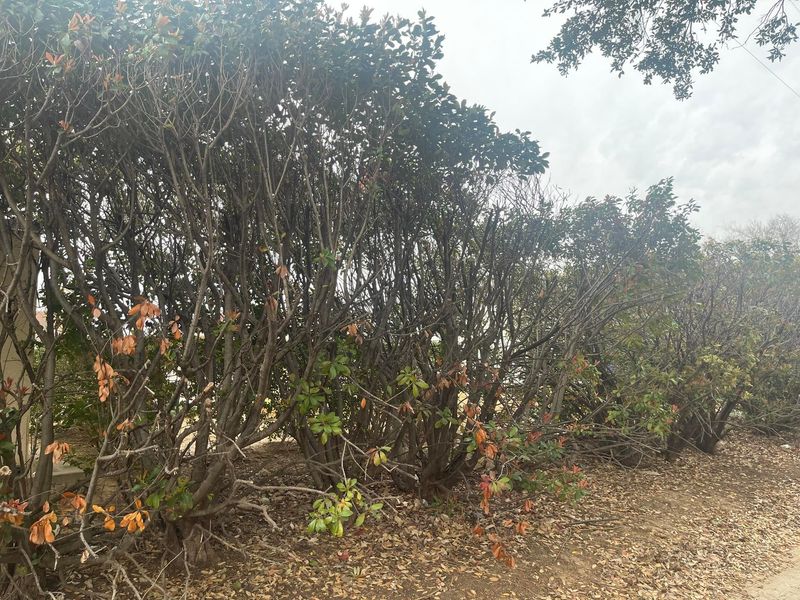
Once the leaves are badly marked, the plant starts to drop them. A shrub that was once thick and full can lose most of its foliage. What is left looks thin and sickly. After a few seasons of this, many shrubs simply cannot recover and are lost for good.
Texas weather plays a big role here. The fungus loves cool, wet springs and damp falls. Rain splashes the spores from leaf to leaf. Humid nights keep the leaves wet long enough for new spots to form.
So how can you tell if your shrub has it? Look closely at both old and new leaves in early spring.
Check the lower branches, where moisture tends to hang around. If you find spots with dark centers, leaf spot is likely the cause.
Here is a helpful tip. Rake up fallen leaves often and throw them in the trash, not the compost pile. The fungus can survive on old leaves and come back next year. Also, water at the base of the plant instead of spraying the leaves.
Sadly, these steps only slow the disease. They rarely stop it completely. That is the main reason so many Texans have decided enough is enough.
© Reddit
Back in the 1970s and 1980s, red tip photinia was everywhere in Texas. New neighborhoods popped up, and almost every builder planted rows of it. It became the classic backyard privacy screen.
For a long time, those hedges did their job well. They grew tall and thick. They blocked the view of nosy neighbors and busy roads. In spring, the red new leaves added a cheerful pop of color.
Fast forward a few decades, and the picture looks very different. Many of those same hedges are now old, stressed, and sick.
Leaf spot has spread through whole neighborhoods. Shrubs that once stood shoulder to shoulder now have wide gaps between them.
Think about why you planted a hedge in the first place. Most people want privacy, shade, or a windbreak. A patchy hedge fails at all of these. You can see straight through it, and it does not look very nice either.
Age makes things harder too. Older shrubs have woody, tired stems that do not bounce back easily. Even if you cut them back hard, the new growth often catches leaf spot again.
Wondering whether your hedge is worth saving? Take a walk along it and count the bare sections. If more than a third of the hedge is thin or empty, replacing it may be smarter than fighting for it.
A good plan is to replace the worst sections first. That way, you keep some privacy while new plants grow in. Over a few years, you can swap out the whole row without leaving your yard wide open.
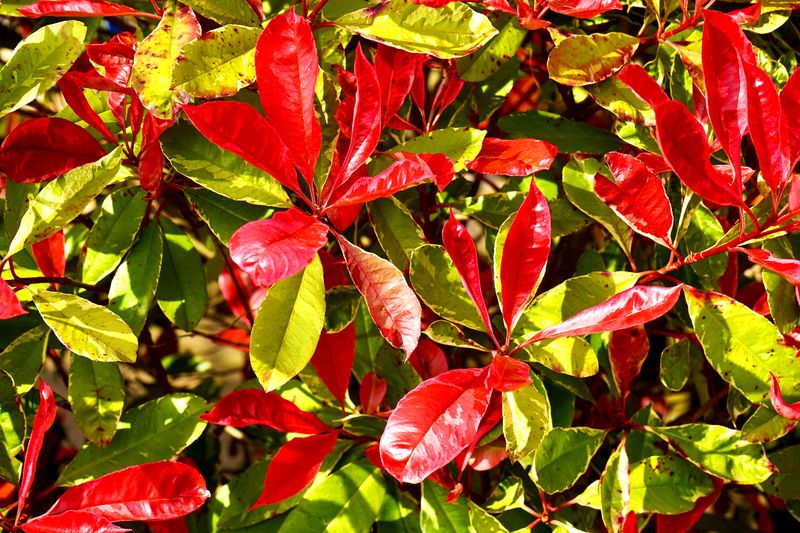
Image Credit: © Mike Bird / Pexels
Ask anyone who has battled leaf spot for years, and they will tell you it feels like a job that never ends. Spray, prune, rake, repeat. Then the rain comes and undoes all that hard work.
Controlling the disease usually means using fungicides. These sprays protect new leaves from getting infected. The catch is that they do not cure leaves that already have spots. You have to keep spraying every week or two during the wet seasons.
Those bottles add up fast. If you have a long hedge, you might need a lot of spray each year. Hiring a lawn care company to do it costs even more. Some homeowners spend hundreds of dollars a year on a single hedge.
Then there is the cleanup. Infected branches should be cut out and bagged. Fallen leaves need to be picked up again and again. Tools should be wiped with rubbing alcohol between cuts so you do not spread the fungus.
Here is the hard truth. Even with all this effort, many shrubs keep getting worse. A rainy spring can bring the disease roaring back, no matter how careful you were.
Before you buy another round of spray, do some quick math. Add up what you spend each year on products, tools, and your own time. Then compare that to the price of a few new, disease-resistant shrubs.
Many gardeners find that replacing the hedge pays for itself in just a few years. Plus, they get their weekends back. That extra free time is worth a lot.
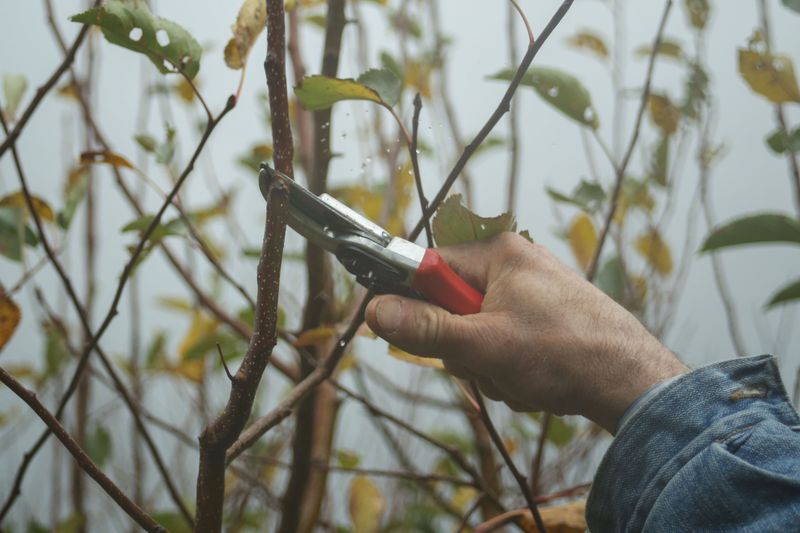
Image Credit: © Maria Turkmani / Pexels
Nothing feels quite as satisfying as a neat, boxy hedge after a fresh trim. With red tip photinia, though, that clean look comes with a hidden price.
The shrub grows quickly, sometimes several feet a year. To keep it tidy, many people shear it often with electric trimmers. Each cut tells the plant to push out a fresh flush of new leaves.
Those bright red new leaves are the very thing people love about the plant. Unfortunately, they are also soft and tender.
Leaf spot fungus attacks young leaves much more easily than older, tougher ones. So every shearing basically rolls out a welcome mat for the disease.
Shearing causes another problem too. It makes the outside of the hedge very thick, like a dense wall. Air cannot move through the middle. Leaves inside stay damp long after rain or watering, which is perfect for fungus.
So what can you do instead? Try thinning rather than shearing. Use hand pruners to remove a few whole branches from inside the shrub. That opens it up and lets sunlight and breeze reach the center.
Timing matters as well. Avoid pruning during cool, rainy stretches in spring and fall. Late spring, after the wet weather passes, is usually a safer window in most of Texas.
Still, these tricks only go so far with a plant that wants to grow so fast. Many gardeners realize they would rather pick a shrub that naturally stays a manageable size. Less trimming means less stress for both the plant and you.
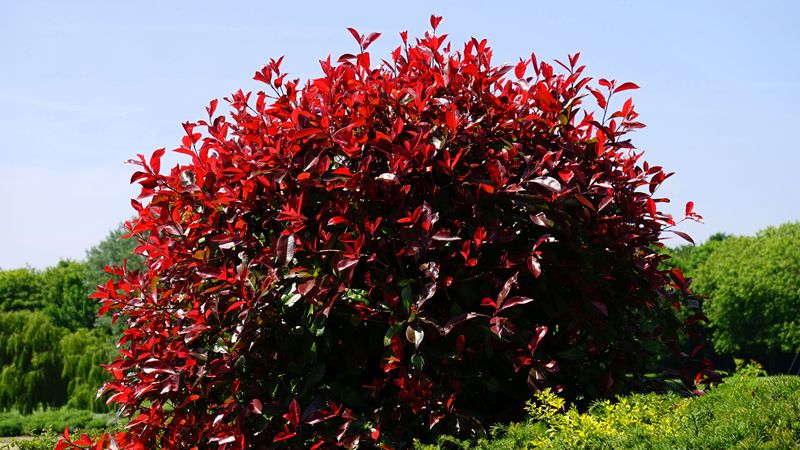
Image Credit: © Mike Bird / Pexels
Picture-perfect rows of matching shrubs were once the gold standard for landscaping. Everyone wanted that uniform, tidy look. Few people thought about what would happen if one plant got sick.
Red tip photinia was often planted in long lines, with shrubs packed close together. Their branches touched and overlapped. That made a great screen, but it also made a highway for disease.
When one shrub catches leaf spot, the spores spread easily. Rain splashes them onto the next plant. Wind carries them down the row. Before long, the whole hedge is infected, sometimes in just one season.
Farmers have a name for growing just one kind of plant in a big area. They call it a monoculture.
It makes crops easy to plant, but it also makes them easy targets for pests and disease. A long photinia hedge works the same way in your backyard.
The fix is pretty simple. Mix it up! Instead of planting one kind of shrub, choose three or four different types. If one gets sick, the others act like a barrier and slow the spread.
A mixed hedge also looks more natural and interesting. You can combine plants with different leaf shapes, flower times, and berry colors. Your yard will have something new to enjoy in every season.
Here is a quick idea for planning. Stagger your plants in a gentle zigzag instead of a straight line. Leave a little extra room between them so air can flow. These small changes can keep your new hedge healthy for many years.
© The Spruce
Did you know red tip photinia is not a natural plant at all? It is a hybrid, created by crossing two shrubs from Asia. It first showed up in a New Jersey nursery in the 1940s before spreading across the South.
That background matters more than you might think. Native insects in Texas evolved alongside native plants.
Many caterpillars can only eat certain local plants. When they find a shrub from far away, they often cannot use it for food.
Why should you care about caterpillars? Birds do! Most songbirds feed their babies insects, especially soft caterpillars.
A single nest of chickadees may need thousands of caterpillars before the chicks leave. Fewer insects mean fewer birds.
Red tip photinia supports only a small number of native insects. It does make flowers, but many people find their smell unpleasant. The plant does produce some small fruits, but birds have plenty of better choices.
More Texas gardeners now want yards that buzz with life. They like seeing butterflies, bees, cardinals, and mockingbirds. A hedge that gives so little back just does not fit that goal anymore.
Want an easy way to test your yard? Sit outside for fifteen minutes on a spring morning. Count how many birds and insects visit your shrubs. Then visit a park with native plants and compare.
The difference can be eye-opening. Swapping even a few shrubs for native ones can turn a quiet corner into a busy wildlife stop. Kids especially love spotting the new visitors.
© Wikipedia
Good news! Texas has some amazing native shrubs that can do everything red tip photinia did, and often do it better. They stay green all year, form thick screens, and handle local weather with ease.
Yaupon holly is a superstar. It is tough, handles drought and heat, and rarely gets serious diseases.
Female plants produce bright red berries that birds love in winter. You can find tall types for screens and dwarf types for borders.
Wax myrtle is another great pick. It grows fast, so you will get privacy quickly. The leaves have a pleasant, spicy smell when you crush them. Female plants grow waxy blue berries that feed warblers and other birds.
Carolina cherry laurel works well when you want a tall, glossy screen. It has shiny green leaves and small white flowers in spring. Birds snack on its dark berries in fall and winter.
A few planting tips will help you succeed. Fall is the best time to plant in most of Texas. Cooler weather lets roots grow strong before summer heat arrives. Water new shrubs deeply once or twice a week for the first year.
For the best results, mix two or three of these shrubs together. You will get a hedge that is healthier, more interesting, and better for wildlife. Check with your local nursery or county extension office to see which plants suit your soil.
Making the switch takes some effort up front. Still, a yard full of strong, low-fuss natives will reward you for many years.
The post Why Some Texas Gardeners Are Replacing Red Tip Photinia appeared first on Positivebloom.
You’re far from alone. This shrub was once one of the most popular hedges in Texas, planted along fences and driveways in neighborhoods across the state.
The main culprit is a stubborn fungal disease that thrives on these shrubs. It starts as small red or purple spots on the leaves, then spreads until branches drop their foliage and whole sections of hedge go bare.
Because so many photinias were planted close together, the disease moved easily from yard to yard. Constant shearing to keep those red tips coming only made things worse.
That’s why more Texans are pulling out their old hedges and looking for tougher, longer-lasting replacements.
1. Leaf Spot Disease Has Hit It Hard
© Plantgeh
Tiny red dots might not seem like a big deal at first. On red tip photinia, though, those little spots are a warning sign. They point to a fungal disease called Entomosporium leaf spot.
The fungus starts by making small, round spots on the leaves. They are usually bright red or purple. Over time, the spots grow and join together, and the centers often turn gray or tan.
Once the leaves are badly marked, the plant starts to drop them. A shrub that was once thick and full can lose most of its foliage. What is left looks thin and sickly. After a few seasons of this, many shrubs simply cannot recover and are lost for good.
Texas weather plays a big role here. The fungus loves cool, wet springs and damp falls. Rain splashes the spores from leaf to leaf. Humid nights keep the leaves wet long enough for new spots to form.
So how can you tell if your shrub has it? Look closely at both old and new leaves in early spring.
Check the lower branches, where moisture tends to hang around. If you find spots with dark centers, leaf spot is likely the cause.
Here is a helpful tip. Rake up fallen leaves often and throw them in the trash, not the compost pile. The fungus can survive on old leaves and come back next year. Also, water at the base of the plant instead of spraying the leaves.
Sadly, these steps only slow the disease. They rarely stop it completely. That is the main reason so many Texans have decided enough is enough.
2. Older Hedges Are Fading Away
Back in the 1970s and 1980s, red tip photinia was everywhere in Texas. New neighborhoods popped up, and almost every builder planted rows of it. It became the classic backyard privacy screen.
For a long time, those hedges did their job well. They grew tall and thick. They blocked the view of nosy neighbors and busy roads. In spring, the red new leaves added a cheerful pop of color.
Fast forward a few decades, and the picture looks very different. Many of those same hedges are now old, stressed, and sick.
Leaf spot has spread through whole neighborhoods. Shrubs that once stood shoulder to shoulder now have wide gaps between them.
Think about why you planted a hedge in the first place. Most people want privacy, shade, or a windbreak. A patchy hedge fails at all of these. You can see straight through it, and it does not look very nice either.
Age makes things harder too. Older shrubs have woody, tired stems that do not bounce back easily. Even if you cut them back hard, the new growth often catches leaf spot again.
Wondering whether your hedge is worth saving? Take a walk along it and count the bare sections. If more than a third of the hedge is thin or empty, replacing it may be smarter than fighting for it.
A good plan is to replace the worst sections first. That way, you keep some privacy while new plants grow in. Over a few years, you can swap out the whole row without leaving your yard wide open.
3. Fighting The Fungus Costs Time And Money
Image Credit: © Mike Bird / Pexels
Ask anyone who has battled leaf spot for years, and they will tell you it feels like a job that never ends. Spray, prune, rake, repeat. Then the rain comes and undoes all that hard work.
Controlling the disease usually means using fungicides. These sprays protect new leaves from getting infected. The catch is that they do not cure leaves that already have spots. You have to keep spraying every week or two during the wet seasons.
Those bottles add up fast. If you have a long hedge, you might need a lot of spray each year. Hiring a lawn care company to do it costs even more. Some homeowners spend hundreds of dollars a year on a single hedge.
Then there is the cleanup. Infected branches should be cut out and bagged. Fallen leaves need to be picked up again and again. Tools should be wiped with rubbing alcohol between cuts so you do not spread the fungus.
Here is the hard truth. Even with all this effort, many shrubs keep getting worse. A rainy spring can bring the disease roaring back, no matter how careful you were.
Before you buy another round of spray, do some quick math. Add up what you spend each year on products, tools, and your own time. Then compare that to the price of a few new, disease-resistant shrubs.
Many gardeners find that replacing the hedge pays for itself in just a few years. Plus, they get their weekends back. That extra free time is worth a lot.
4. Heavy Shearing Only Feeds The Problem
Image Credit: © Maria Turkmani / Pexels
Nothing feels quite as satisfying as a neat, boxy hedge after a fresh trim. With red tip photinia, though, that clean look comes with a hidden price.
The shrub grows quickly, sometimes several feet a year. To keep it tidy, many people shear it often with electric trimmers. Each cut tells the plant to push out a fresh flush of new leaves.
Those bright red new leaves are the very thing people love about the plant. Unfortunately, they are also soft and tender.
Leaf spot fungus attacks young leaves much more easily than older, tougher ones. So every shearing basically rolls out a welcome mat for the disease.
Shearing causes another problem too. It makes the outside of the hedge very thick, like a dense wall. Air cannot move through the middle. Leaves inside stay damp long after rain or watering, which is perfect for fungus.
So what can you do instead? Try thinning rather than shearing. Use hand pruners to remove a few whole branches from inside the shrub. That opens it up and lets sunlight and breeze reach the center.
Timing matters as well. Avoid pruning during cool, rainy stretches in spring and fall. Late spring, after the wet weather passes, is usually a safer window in most of Texas.
Still, these tricks only go so far with a plant that wants to grow so fast. Many gardeners realize they would rather pick a shrub that naturally stays a manageable size. Less trimming means less stress for both the plant and you.
5. Long Single Rows Let Trouble Travel
Image Credit: © Mike Bird / Pexels
Picture-perfect rows of matching shrubs were once the gold standard for landscaping. Everyone wanted that uniform, tidy look. Few people thought about what would happen if one plant got sick.
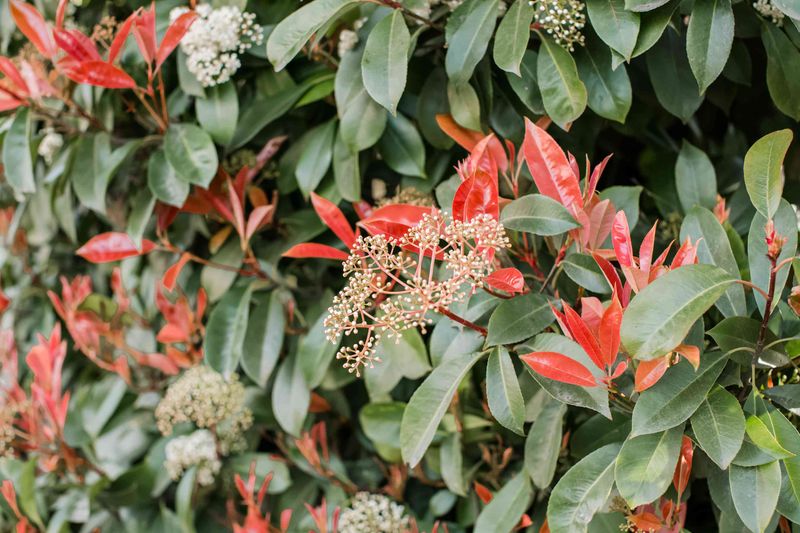
Red tip photinia was often planted in long lines, with shrubs packed close together. Their branches touched and overlapped. That made a great screen, but it also made a highway for disease.
When one shrub catches leaf spot, the spores spread easily. Rain splashes them onto the next plant. Wind carries them down the row. Before long, the whole hedge is infected, sometimes in just one season.
Farmers have a name for growing just one kind of plant in a big area. They call it a monoculture.
It makes crops easy to plant, but it also makes them easy targets for pests and disease. A long photinia hedge works the same way in your backyard.
The fix is pretty simple. Mix it up! Instead of planting one kind of shrub, choose three or four different types. If one gets sick, the others act like a barrier and slow the spread.
A mixed hedge also looks more natural and interesting. You can combine plants with different leaf shapes, flower times, and berry colors. Your yard will have something new to enjoy in every season.
Here is a quick idea for planning. Stagger your plants in a gentle zigzag instead of a straight line. Leave a little extra room between them so air can flow. These small changes can keep your new hedge healthy for many years.
6. Native Wildlife Gets Very Little From It
© The Spruce
Did you know red tip photinia is not a natural plant at all? It is a hybrid, created by crossing two shrubs from Asia. It first showed up in a New Jersey nursery in the 1940s before spreading across the South.
That background matters more than you might think. Native insects in Texas evolved alongside native plants.
Many caterpillars can only eat certain local plants. When they find a shrub from far away, they often cannot use it for food.
Why should you care about caterpillars? Birds do! Most songbirds feed their babies insects, especially soft caterpillars.
A single nest of chickadees may need thousands of caterpillars before the chicks leave. Fewer insects mean fewer birds.
Red tip photinia supports only a small number of native insects. It does make flowers, but many people find their smell unpleasant. The plant does produce some small fruits, but birds have plenty of better choices.
More Texas gardeners now want yards that buzz with life. They like seeing butterflies, bees, cardinals, and mockingbirds. A hedge that gives so little back just does not fit that goal anymore.
Want an easy way to test your yard? Sit outside for fifteen minutes on a spring morning. Count how many birds and insects visit your shrubs. Then visit a park with native plants and compare.
The difference can be eye-opening. Swapping even a few shrubs for native ones can turn a quiet corner into a busy wildlife stop. Kids especially love spotting the new visitors.
7. Better Native Choices Are Ready To Plant
© Wikipedia
Good news! Texas has some amazing native shrubs that can do everything red tip photinia did, and often do it better. They stay green all year, form thick screens, and handle local weather with ease.
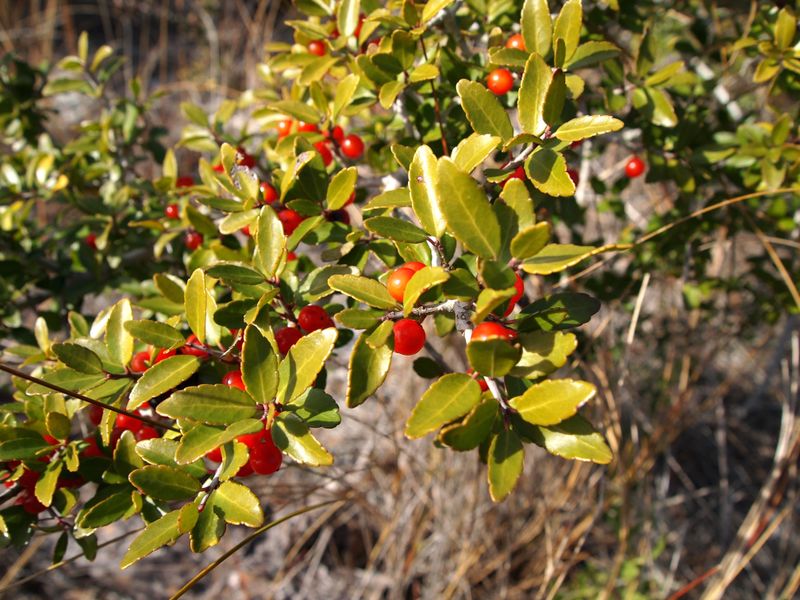
Yaupon holly is a superstar. It is tough, handles drought and heat, and rarely gets serious diseases.
Female plants produce bright red berries that birds love in winter. You can find tall types for screens and dwarf types for borders.
Wax myrtle is another great pick. It grows fast, so you will get privacy quickly. The leaves have a pleasant, spicy smell when you crush them. Female plants grow waxy blue berries that feed warblers and other birds.
Carolina cherry laurel works well when you want a tall, glossy screen. It has shiny green leaves and small white flowers in spring. Birds snack on its dark berries in fall and winter.
A few planting tips will help you succeed. Fall is the best time to plant in most of Texas. Cooler weather lets roots grow strong before summer heat arrives. Water new shrubs deeply once or twice a week for the first year.
For the best results, mix two or three of these shrubs together. You will get a hedge that is healthier, more interesting, and better for wildlife. Check with your local nursery or county extension office to see which plants suit your soil.
Making the switch takes some effort up front. Still, a yard full of strong, low-fuss natives will reward you for many years.
The post Why Some Texas Gardeners Are Replacing Red Tip Photinia appeared first on Positivebloom.