H
Hattie Grigsby
Guest
- Thread Author
- #1
The same watering habit that kept summer flowers alive can drown fall ones. Cooler air slows evaporation, and shorter days slow plant growth. Pansies, snapdragons, and other cool-season annuals simply drink less.
Gardeners who keep watering on summer’s schedule often end up with yellow leaves and soft stems. Roots sitting in wet soil cannot breathe, and rot follows quickly. This matters even more during a dry year, when every gallon counts.
Containers behave differently from beds, and different plants have different needs. Learning to check the soil by touch beats following the calendar.
A finger pushed an inch or two into the soil tells you almost everything. Adjust your habits for the season, and your fall flowers will stay full and healthy.
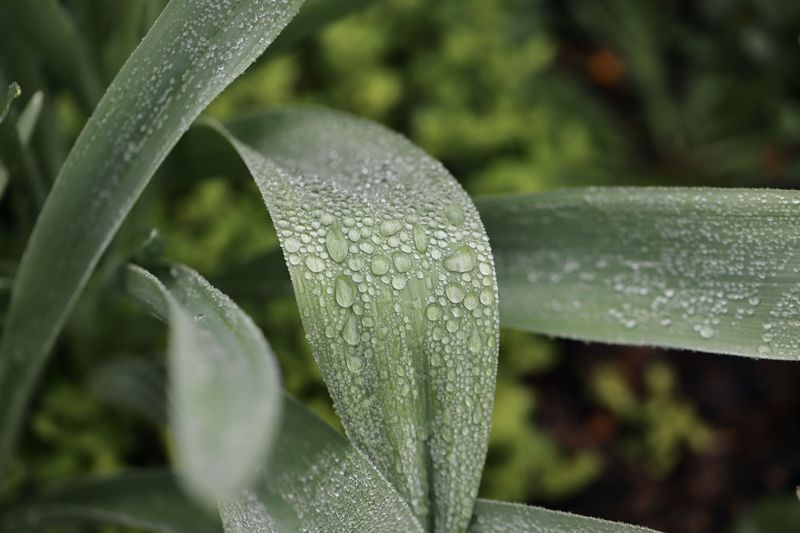
Image Credit: © Christina & Peter / Pexels
Plants sweat, in a way. Every leaf has tiny openings that let water vapor escape into the air, and scientists call this process transpiration. The hotter the day, the faster that water slips away.
During a North Carolina July, temperatures often climb into the 90s, and the air feels thick and heavy.
Summer flowers pull water from the soil all day long just to keep up with what their leaves lose. That is why so many gardeners find themselves dragging out the hose every single evening.
Fall changes the whole picture. Once highs drop into the 60s and 70s, leaves lose water much more slowly. Pansies, violas, and snapdragons can sip from the soil at a relaxed pace instead of gulping it down.
The same amount of water in the ground simply lasts longer. Your watering habits should shift along with the weather.
Many people keep following their summer schedule out of habit, but fall plants rarely need that much. A better plan is to check the soil before you grab the watering can.
Stick a finger into the dirt near your plants. If the top inch feels dry, go ahead and water. If it still feels cool and damp, wait another day and check again.
Across the Piedmont, the mountains, and the coast, fall brings a welcome break from the scorching heat.
Mild afternoons mean less stress for your flowers and less work for you. Paying attention to the soil, rather than the calendar, keeps your fall annuals happy and keeps your water bill a little lower too.
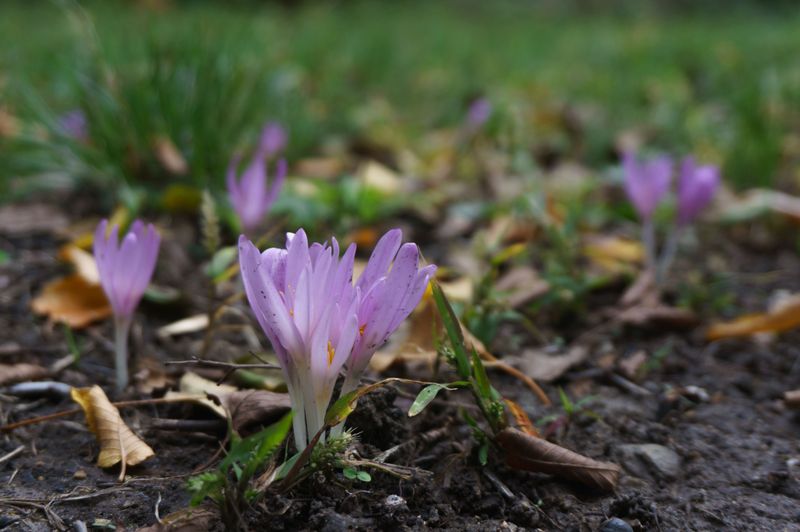
Image Credit: © MAKSIM ZAVIKTORIN / Pexels
Remember how fast garden beds dried out back in July? You could water in the morning and find cracked, dusty soil by late afternoon. Fall soil behaves very differently, and that is great news for busy gardeners.
Two things make the difference. Cooler air pulls less moisture from the ground, and the sun sits lower in the sky as the season moves along. With weaker sunlight hitting the soil surface, far less water evaporates each day.
A good soaking rain in October can keep a flower bed moist for several days. In midsummer, that same rain might vanish in a day or less. Your plants get to enjoy that moisture for much longer, and you get to put the hose away more often.
Checking a few inches down tells you the real story. The surface can look dry while the soil underneath stays nice and damp. Push your finger in up to the second knuckle to feel what the roots are actually sitting in.
When watering is needed, go deep. A slow, thorough soak encourages roots to grow downward, which makes plants stronger and tougher. Light sprinkles every day only wet the top layer and keep roots shallow.
A thin layer of mulch adds even more help. Shredded leaves, pine straw, or fine bark keeps the soil cooler and slows evaporation further. Just keep it an inch or two away from the stems.
For North Carolina gardeners, the shift can feel surprising at first. A bed that needed water daily in July may stay moist for days in October, and learning to trust that saves plenty of effort.
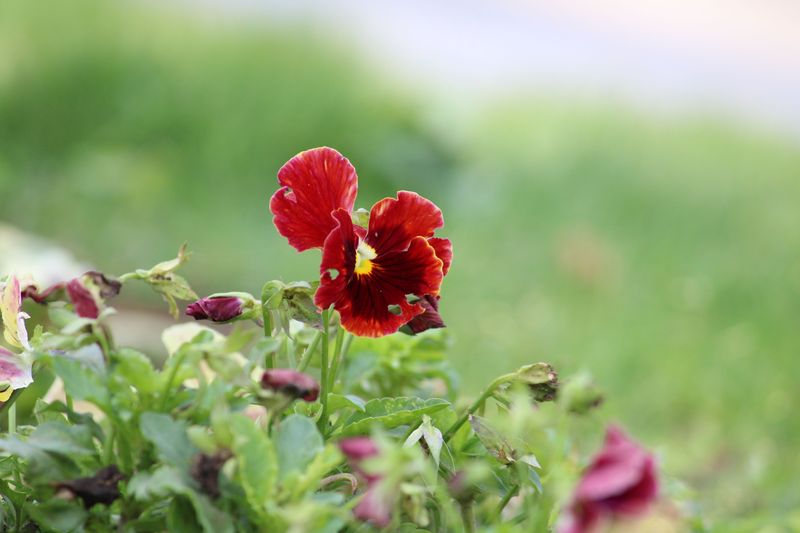
Image Credit: © Mayursinh Parmar / Pexels
Sunlight works like fuel for plants. Leaves use it to make the sugars that power new stems, leaves, and blooms. More sunlight means more growing, and more growing means a bigger thirst.
In June, North Carolina enjoys around 14 hours of daylight. Summer annuals take full advantage, pushing out fresh growth and flowers nonstop. All that activity requires a steady supply of water and nutrients from the soil.
Fall flips the script. Daylight shrinks steadily from October into December, dropping to under 10 hours by the winter solstice. With fewer sunny hours, plants slow down, and their need for water and food slows down right along with them.
New gardeners sometimes worry when fall annuals seem to sit still after planting. A tray of pansies might look nearly the same size two weeks later. Rest easy, because that slow pace is completely normal for the season.
Much of the action is happening underground. Roots keep spreading into the soil even when the tops look quiet. Strong roots now help plants push out a big burst of color when spring warms things up again.
Watering less often makes sense during this slower stretch. A summer petunia in full bloom might need a drink every day, while a fall viola can often go several days between waterings. Feeding needs drop too, so a light dose of fertilizer goes a long way.
Patience is the secret ingredient here. Let the shorter days set the rhythm, and match your watering to how much your plants are actually growing. Your fall garden will reward you with steady color and very little fuss.
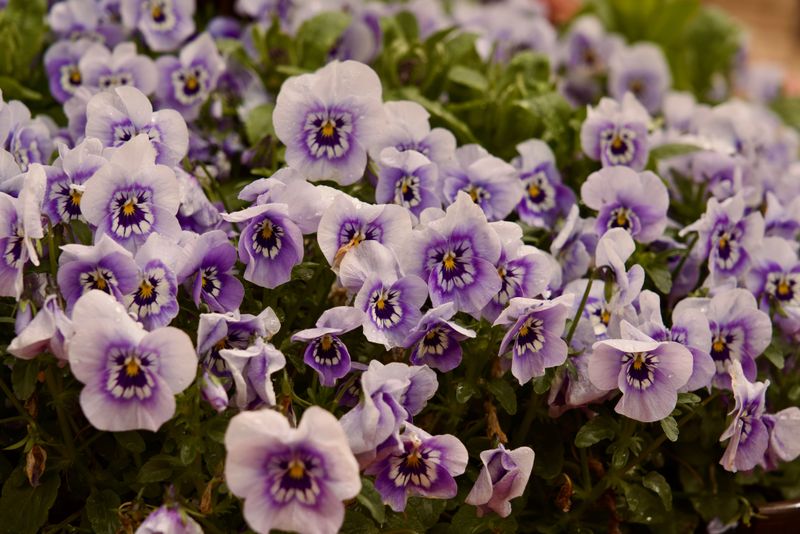
Image Credit: © Susanne Jutzeler, suju-foto / Pexels
Some flowers love a heat wave. Others would rather wear a sweater. Pansies, violas, snapdragons, dianthus, and ornamental kale all fall into the second group, and that makes them wonderfully easy to water.
Summer annuals like petunias and zinnias face a tough job. They bloom through brutal heat and strong sun, and their leaves work overtime to stay cool. Heat stress makes them thirsty, so they rely on frequent watering to keep looking fresh.
Cool season annuals skip that struggle entirely. Mild days and chilly nights suit them perfectly, so they never fight the weather. Comfortable plants use water at a calm, even pace.
Timing your planting helps them shine. Wait until nights cool down, usually from late September through October in most of North Carolina. Setting them out too early, during a lingering hot spell, can stress them before they settle in.
Right after planting, water regularly so the roots stay moist while they spread. After a few weeks, those roots reach into the surrounding soil and find moisture on their own. At that point, you can stretch the time between waterings.
Ornamental kale is a real star in this group. Its leaves actually turn brighter shades of pink and purple once temperatures dip, so a chilly snap only makes it prettier.
North Carolina gardeners get a special bonus with these plants. Thanks to our fairly mild winters, many cool season annuals bloom from fall right through to spring.
One planting can bring months of color with only modest watering, which feels like a gardening win in every way.
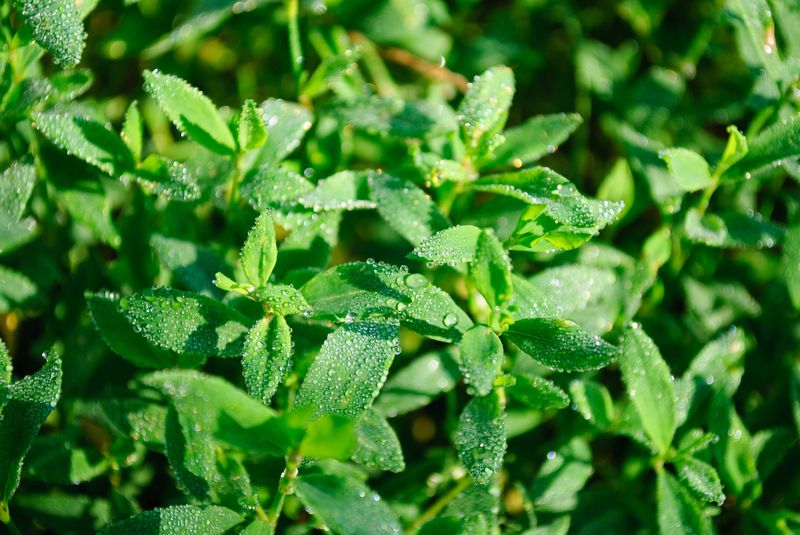
Image Credit: © Mikhail Peace / Pexels
Step outside early on an October morning, and your shoes might come back soaked. That sparkling coat on the grass and flower leaves is dew, and it plays a quiet role in keeping fall plants comfortable.
Dew forms when the air cools overnight. Cool air cannot hold as much moisture as warm air, so the extra water settles onto leaves, petals, and the soil surface as tiny droplets. Clear, calm fall nights are especially good at creating it.
Cool nights help in another way too. When temperatures drop after sunset, plants lose very little water through their leaves. They get several hours to rest and recover before the sun comes back up.
Each morning, the dew offers a short break from drying conditions. Leaves stay damp for a while, and the top of the soil holds a little extra moisture. Your fall annuals start the day refreshed instead of already stressed.
Keep your expectations realistic, though. Dew is a helper, not a substitute for watering. It adds only a small amount of moisture, so plants still need deeper water from rain or your watering can.
Combined with cooler days, however, dew helps stretch the time between waterings. A bed that might have needed attention every day in summer can often wait several days in fall. That breathing room adds up over the season.
Dewy fall mornings are common across North Carolina, from mountain valleys to coastal towns. Next time you see those glittering drops on your violas, you can smile knowing nature is lending a small helping hand to your garden.
© Patch Plants
Here is a twist many gardeners miss: in fall, too much water often causes more trouble than too little. Kind intentions with a hose can actually harm the very flowers you are trying to help.
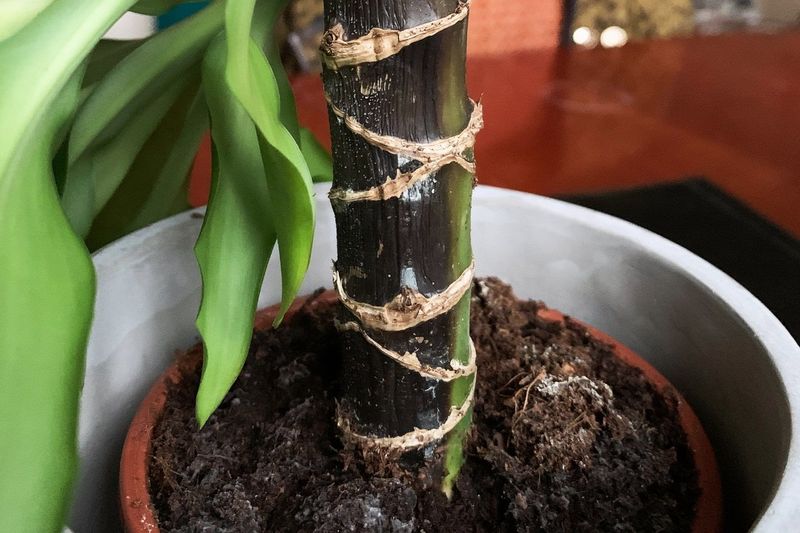
Cool, wet soil stays soggy for a long time. Without summer heat to dry things out, water can sit around roots for days. Roots need air as well as moisture, and waterlogged soil squeezes that air out.
Pansies and other fall annuals are especially prone to root rots, including black root rot. Affected plants wilt and turn yellow even though the soil feels moist. Many people see wilting and add more water, which only makes the problem worse.
Smart habits keep roots healthy. Water only when the top inch of soil feels dry, and skip watering altogether after a good rain. Make sure beds and containers drain well, so extra water can escape instead of pooling.
Morning is the best time to water. Evening watering leaves soil and leaves wet through the cool night, which invites disease. Watering early gives the day a chance to dry things out a bit.
Raised beds work wonders if your soil stays wet. Mixing in compost also improves drainage and gives roots a looser, airier home. For containers, always choose pots with drainage holes.
North Carolina gardeners face a special challenge here. Heavy Piedmont clay holds water like a sponge, and fall rains can keep beds damp for a long stretch.
Checking the soil before every watering is the simplest way to protect your pansies and keep them blooming strong.
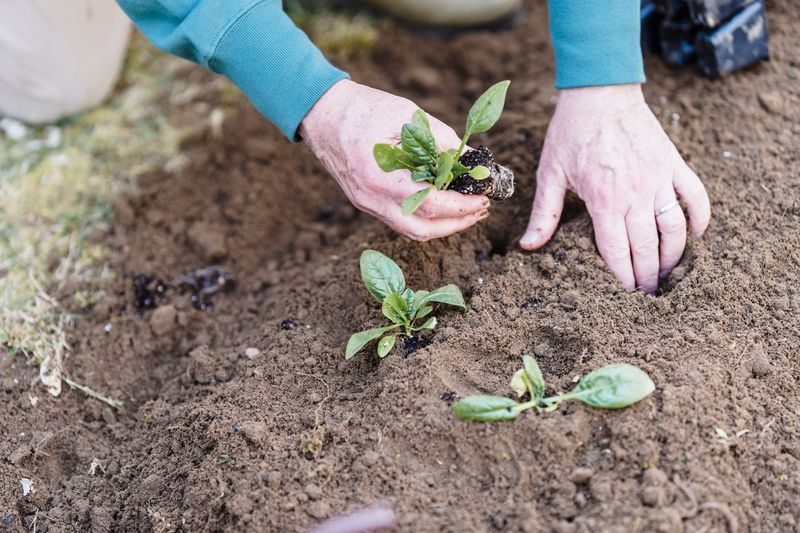
Image Credit: © Greta Hoffman / Pexels
Fall flowers are easygoing, but they are not completely carefree. A couple of situations call for more watering, and knowing them can save your garden from a rough start.
Fresh transplants come first. When you pop a pansy out of its nursery pot, its roots fill only a small ball of soil. That little root ball dries out quickly, long before the surrounding ground does.
For the first week or two, water new plantings every day or two. Aim the water right at the base of each plant so it soaks the root ball. After that, slowly stretch the time between waterings as roots grow outward.
Dry spells are the second exception. Even cool season plants need moisture, and a few weeks without rain can leave soil parched. Leaves may droop, edges may brown, and blooms may slow down.
Regular soil checks help you catch dryness early. During dry weather, feel the soil every couple of days instead of assuming fall will take care of everything. Water deeply when the top inch turns dry.
Some towns limit sprinkler use during drought. Hand watering with a can or hose wand still works well, and it puts water exactly where it is needed. Drip irrigation or soaker hoses are even better, since they deliver slow, steady moisture with very little waste.
Much of North Carolina has been in drought this year, and fall rainfall has been limited in many areas. Keeping an eye on the weather and your soil makes all the difference. A little attention now sets up your fall annuals for a long, colorful season ahead.
The post Why Fall Annuals Need Less Water Than Summer Flowers In North Carolina appeared first on Positivebloom.
Gardeners who keep watering on summer’s schedule often end up with yellow leaves and soft stems. Roots sitting in wet soil cannot breathe, and rot follows quickly. This matters even more during a dry year, when every gallon counts.
Containers behave differently from beds, and different plants have different needs. Learning to check the soil by touch beats following the calendar.
A finger pushed an inch or two into the soil tells you almost everything. Adjust your habits for the season, and your fall flowers will stay full and healthy.
1. Cooler Temperatures Slow Water Loss
Image Credit: © Christina & Peter / Pexels
Plants sweat, in a way. Every leaf has tiny openings that let water vapor escape into the air, and scientists call this process transpiration. The hotter the day, the faster that water slips away.
During a North Carolina July, temperatures often climb into the 90s, and the air feels thick and heavy.
Summer flowers pull water from the soil all day long just to keep up with what their leaves lose. That is why so many gardeners find themselves dragging out the hose every single evening.
Fall changes the whole picture. Once highs drop into the 60s and 70s, leaves lose water much more slowly. Pansies, violas, and snapdragons can sip from the soil at a relaxed pace instead of gulping it down.
The same amount of water in the ground simply lasts longer. Your watering habits should shift along with the weather.
Many people keep following their summer schedule out of habit, but fall plants rarely need that much. A better plan is to check the soil before you grab the watering can.
Stick a finger into the dirt near your plants. If the top inch feels dry, go ahead and water. If it still feels cool and damp, wait another day and check again.
Across the Piedmont, the mountains, and the coast, fall brings a welcome break from the scorching heat.
Mild afternoons mean less stress for your flowers and less work for you. Paying attention to the soil, rather than the calendar, keeps your fall annuals happy and keeps your water bill a little lower too.
2. Soil Stays Moist Longer In Fall
Image Credit: © MAKSIM ZAVIKTORIN / Pexels
Remember how fast garden beds dried out back in July? You could water in the morning and find cracked, dusty soil by late afternoon. Fall soil behaves very differently, and that is great news for busy gardeners.
Two things make the difference. Cooler air pulls less moisture from the ground, and the sun sits lower in the sky as the season moves along. With weaker sunlight hitting the soil surface, far less water evaporates each day.
A good soaking rain in October can keep a flower bed moist for several days. In midsummer, that same rain might vanish in a day or less. Your plants get to enjoy that moisture for much longer, and you get to put the hose away more often.
Checking a few inches down tells you the real story. The surface can look dry while the soil underneath stays nice and damp. Push your finger in up to the second knuckle to feel what the roots are actually sitting in.
When watering is needed, go deep. A slow, thorough soak encourages roots to grow downward, which makes plants stronger and tougher. Light sprinkles every day only wet the top layer and keep roots shallow.
A thin layer of mulch adds even more help. Shredded leaves, pine straw, or fine bark keeps the soil cooler and slows evaporation further. Just keep it an inch or two away from the stems.
For North Carolina gardeners, the shift can feel surprising at first. A bed that needed water daily in July may stay moist for days in October, and learning to trust that saves plenty of effort.
3. Shorter Days Mean Slower Growth
Image Credit: © Mayursinh Parmar / Pexels
Sunlight works like fuel for plants. Leaves use it to make the sugars that power new stems, leaves, and blooms. More sunlight means more growing, and more growing means a bigger thirst.
In June, North Carolina enjoys around 14 hours of daylight. Summer annuals take full advantage, pushing out fresh growth and flowers nonstop. All that activity requires a steady supply of water and nutrients from the soil.
Fall flips the script. Daylight shrinks steadily from October into December, dropping to under 10 hours by the winter solstice. With fewer sunny hours, plants slow down, and their need for water and food slows down right along with them.
New gardeners sometimes worry when fall annuals seem to sit still after planting. A tray of pansies might look nearly the same size two weeks later. Rest easy, because that slow pace is completely normal for the season.
Much of the action is happening underground. Roots keep spreading into the soil even when the tops look quiet. Strong roots now help plants push out a big burst of color when spring warms things up again.
Watering less often makes sense during this slower stretch. A summer petunia in full bloom might need a drink every day, while a fall viola can often go several days between waterings. Feeding needs drop too, so a light dose of fertilizer goes a long way.
Patience is the secret ingredient here. Let the shorter days set the rhythm, and match your watering to how much your plants are actually growing. Your fall garden will reward you with steady color and very little fuss.
4. Cool Season Annuals Are Built For Mild Weather
Image Credit: © Susanne Jutzeler, suju-foto / Pexels
Some flowers love a heat wave. Others would rather wear a sweater. Pansies, violas, snapdragons, dianthus, and ornamental kale all fall into the second group, and that makes them wonderfully easy to water.
Summer annuals like petunias and zinnias face a tough job. They bloom through brutal heat and strong sun, and their leaves work overtime to stay cool. Heat stress makes them thirsty, so they rely on frequent watering to keep looking fresh.
Cool season annuals skip that struggle entirely. Mild days and chilly nights suit them perfectly, so they never fight the weather. Comfortable plants use water at a calm, even pace.
Timing your planting helps them shine. Wait until nights cool down, usually from late September through October in most of North Carolina. Setting them out too early, during a lingering hot spell, can stress them before they settle in.
Right after planting, water regularly so the roots stay moist while they spread. After a few weeks, those roots reach into the surrounding soil and find moisture on their own. At that point, you can stretch the time between waterings.
Ornamental kale is a real star in this group. Its leaves actually turn brighter shades of pink and purple once temperatures dip, so a chilly snap only makes it prettier.
North Carolina gardeners get a special bonus with these plants. Thanks to our fairly mild winters, many cool season annuals bloom from fall right through to spring.
One planting can bring months of color with only modest watering, which feels like a gardening win in every way.
5. Dew And Cool Nights Add Some Moisture
Image Credit: © Mikhail Peace / Pexels
Step outside early on an October morning, and your shoes might come back soaked. That sparkling coat on the grass and flower leaves is dew, and it plays a quiet role in keeping fall plants comfortable.
Dew forms when the air cools overnight. Cool air cannot hold as much moisture as warm air, so the extra water settles onto leaves, petals, and the soil surface as tiny droplets. Clear, calm fall nights are especially good at creating it.
Cool nights help in another way too. When temperatures drop after sunset, plants lose very little water through their leaves. They get several hours to rest and recover before the sun comes back up.
Each morning, the dew offers a short break from drying conditions. Leaves stay damp for a while, and the top of the soil holds a little extra moisture. Your fall annuals start the day refreshed instead of already stressed.
Keep your expectations realistic, though. Dew is a helper, not a substitute for watering. It adds only a small amount of moisture, so plants still need deeper water from rain or your watering can.
Combined with cooler days, however, dew helps stretch the time between waterings. A bed that might have needed attention every day in summer can often wait several days in fall. That breathing room adds up over the season.
Dewy fall mornings are common across North Carolina, from mountain valleys to coastal towns. Next time you see those glittering drops on your violas, you can smile knowing nature is lending a small helping hand to your garden.
6. Too Much Water Can Cause Root Rot
© Patch Plants
Here is a twist many gardeners miss: in fall, too much water often causes more trouble than too little. Kind intentions with a hose can actually harm the very flowers you are trying to help.
Cool, wet soil stays soggy for a long time. Without summer heat to dry things out, water can sit around roots for days. Roots need air as well as moisture, and waterlogged soil squeezes that air out.
Pansies and other fall annuals are especially prone to root rots, including black root rot. Affected plants wilt and turn yellow even though the soil feels moist. Many people see wilting and add more water, which only makes the problem worse.
Smart habits keep roots healthy. Water only when the top inch of soil feels dry, and skip watering altogether after a good rain. Make sure beds and containers drain well, so extra water can escape instead of pooling.
Morning is the best time to water. Evening watering leaves soil and leaves wet through the cool night, which invites disease. Watering early gives the day a chance to dry things out a bit.
Raised beds work wonders if your soil stays wet. Mixing in compost also improves drainage and gives roots a looser, airier home. For containers, always choose pots with drainage holes.
North Carolina gardeners face a special challenge here. Heavy Piedmont clay holds water like a sponge, and fall rains can keep beds damp for a long stretch.
Checking the soil before every watering is the simplest way to protect your pansies and keep them blooming strong.
7. New Plantings And Dry Spells Still Need Attention
Image Credit: © Greta Hoffman / Pexels
Fall flowers are easygoing, but they are not completely carefree. A couple of situations call for more watering, and knowing them can save your garden from a rough start.
Fresh transplants come first. When you pop a pansy out of its nursery pot, its roots fill only a small ball of soil. That little root ball dries out quickly, long before the surrounding ground does.
For the first week or two, water new plantings every day or two. Aim the water right at the base of each plant so it soaks the root ball. After that, slowly stretch the time between waterings as roots grow outward.
Dry spells are the second exception. Even cool season plants need moisture, and a few weeks without rain can leave soil parched. Leaves may droop, edges may brown, and blooms may slow down.
Regular soil checks help you catch dryness early. During dry weather, feel the soil every couple of days instead of assuming fall will take care of everything. Water deeply when the top inch turns dry.
Some towns limit sprinkler use during drought. Hand watering with a can or hose wand still works well, and it puts water exactly where it is needed. Drip irrigation or soaker hoses are even better, since they deliver slow, steady moisture with very little waste.
Much of North Carolina has been in drought this year, and fall rainfall has been limited in many areas. Keeping an eye on the weather and your soil makes all the difference. A little attention now sets up your fall annuals for a long, colorful season ahead.
The post Why Fall Annuals Need Less Water Than Summer Flowers In North Carolina appeared first on Positivebloom.