I
Isla Simmons
Guest
- Thread Author
- #1
Peel back a corn husk in October and the old-timers would have read it like a newspaper headline.
Ohio farmers once trusted signs like these more than any forecast on the radio. They checked the husks, studied the woolly bear caterpillars, and counted acorns on the ground.
A thick, tight wrap meant one thing to the folks who grew up on that wisdom. A thin, loose one meant the opposite.
Grandpas swore by the rules. Kids rolled their eyes.
Somewhere in the middle sits a story worth hearing, because a few of these beliefs have a surprising reason behind them.
Others fall flat the moment you test them.
Dig up the tale before the first snow flies. You’ll never look at a cornfield the same way again.
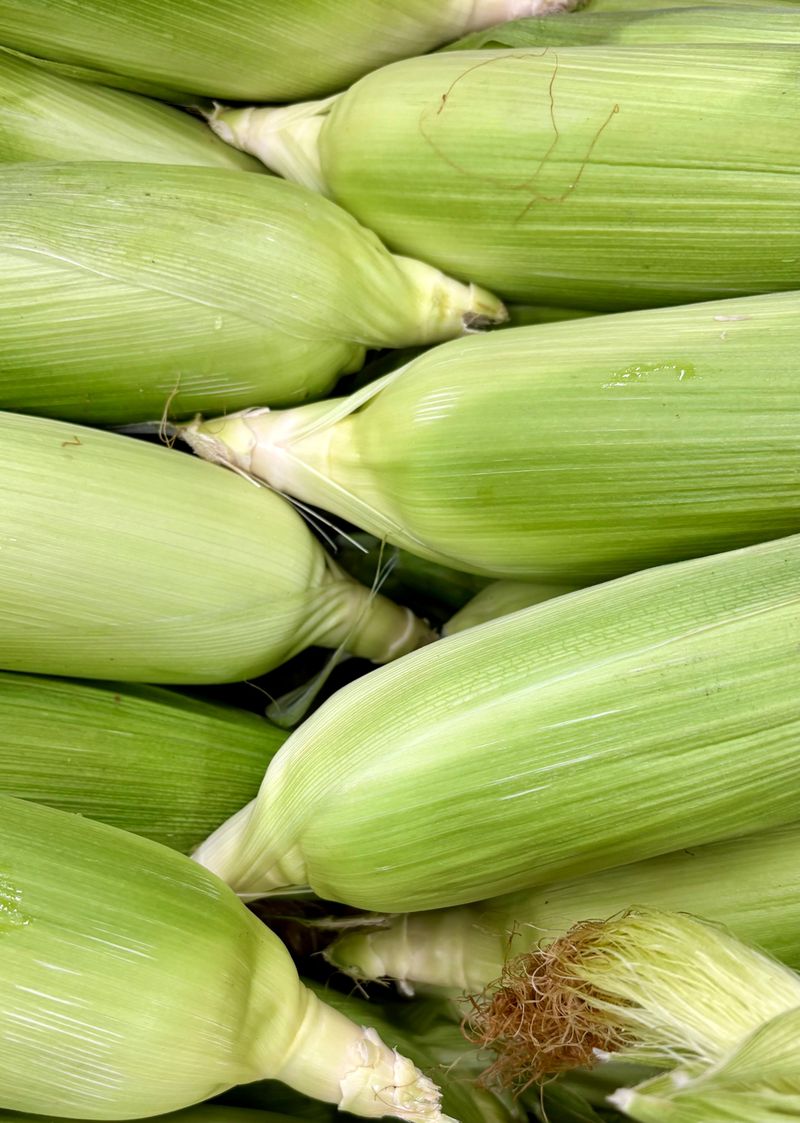
Image Credit: © L. Lum / Pexels
Grandpa would yank an ear off the stalk, tug at the wrapper, and frown. If it fought back, he started stacking extra firewood that same week.
Across Ohio, farmers widely believed that corn husks thicker and tighter than usual pointed to a cold, harsh winter. The idea traveled from parents to kids for generations.
People who lived close to the land trusted signs they could touch and see.
The thinking made a kind of sense to them. Nature seemed to be bundling up its crop, so people figured they should do the same.
A thin, loose husk, on the other hand, hinted at a gentler season.
Farm families checked husks during harvest, often comparing ears from different rows. Neighbors traded notes at church, the feed store, or over the fence.
A heavy husk year could spark plenty of talk about snowdrifts and frozen pumps.
You can try this tradition yourself in a garden or at a farm stand. Peel a few ears and notice how many layers you find and how snugly they wrap.
Jot down your guess, then compare it to the actual winter.
Treat it like a fun family game rather than a forecast. Keeping a simple notebook year after year turns old lore into a neat science project for kids.
© The Old Farmer’s Almanac
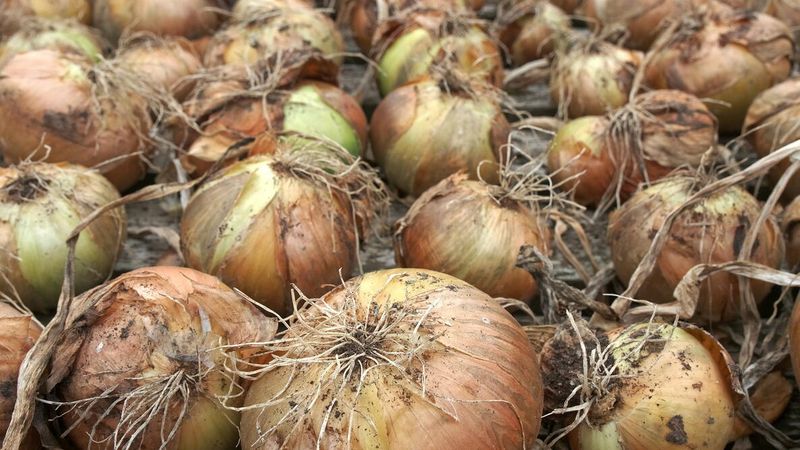
Onion skins thin, coming winter mild. Onion skins thick and tough, coming winter cold and rough.
That little rhyme has bounced around farm kitchens for well over a century.
Corn was not the only crop people studied. If an onion’s papery layers felt flimsy, folks expected an easy season.
If they crackled and stacked up like extra blankets, families braced for bitter weather.
Nuts got the same treatment. Thick walnut and hickory shells were said to predict a severe winter.
Some even checked apple skins, claiming a tougher peel meant harder months ahead.
You can see the pattern here. In each case, a thicker outer layer was read as nature preparing for trouble.
The idea felt logical, since people pile on coats when it gets cold.
For a fun fall activity, gather onions, apples, and nuts from a local market. Compare peels and shells, then rate each one on a thick-to-thin scale.
Kids love cracking nuts for science.
Just remember that store produce may come from many farms and regions. Their skins tell you more about where and how they grew than about Ohio snow.
Still, the hands-on comparison makes the old sayings come alive in a memorable way.
Image Credit: © Ranjeet Chauhan / Pexels
Long before weather apps buzzed in our pockets, Cleveland families tuned in to Dick Goddard. He was a beloved TV meteorologist with a gift for blending science and storytelling.
Goddard put together a list of 20 signs from nature that pointed to a severe winter. Thicker-than-normal corn husks earned a spot on it.
That list was featured in the 1978 Farmers’ Almanac, and people still share it today.
Why would a trained forecaster talk about husks? Mostly because viewers loved it.
The list connected modern weather reports with the stories their grandparents told on the porch.
His other signs included things like woolly caterpillars and busy squirrels. Each item gave everyday people a reason to step outside and look around.
That curiosity is a pretty great gift from a weatherman.
Goddard’s charm shows how folklore and science can live side by side. He knew the real forecasts came from data.
Yet he also understood how much folks treasured their seasonal traditions.
Fun fact: Goddard was also famous for creating the Woollybear Festival in Vermilion, Ohio. Thousands of people still gather there each fall to celebrate fuzzy caterpillars and winter guessing games.
If you visit, bring a costume, since creative outfits are part of the fun.
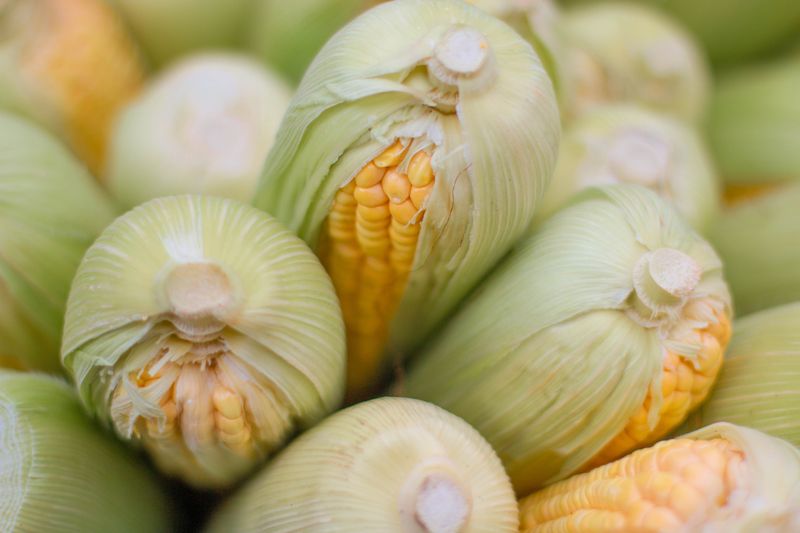
Image Credit: © Rodolfo Clix / Pexels
Think about the family dog in October. Its fur gets fluffier, and suddenly there is hair on every couch cushion.
Farmers noticed the same thing with horses, cows, and barn cats.
Old lore took that idea and applied it to plants. A thick corn husk was compared to an animal growing a heavier coat to stay warm.
If the corn was dressing up for cold weather, people figured a chilly winter was on its way.
The comparison stretched to walnut and hickory shells too. A sturdy shell looked like nature’s version of a puffy jacket.
To farm families, it seemed like every living thing was getting ready together.
Here is the fun twist. Animals grow thicker coats mainly because days get shorter, not because they know the future.
Their bodies respond to changing light and temperatures happening right now.
Plants work in a similar way. They react to the conditions around them during growth, not to weather months away.
So the comparison was clever, but the reasoning had a gap.
Still, the idea is a lovely way to explain nature to kids. Ask them to compare a pet’s summer and winter coat, then peel some corn.
It sparks great conversations about how living things adapt.
© KFVS12
Crunch, crunch, crunch. Walking under an oak tree in a heavy acorn year feels like stepping on marbles.
Many rural folks took that noisy carpet as a warning of cold weather.
A big drop of acorns was often seen as a sign of a frosty winter. A large crop of walnuts or berries supposedly meant a snowy, cold season too.
People believed nature was stocking the pantry for hungry animals.
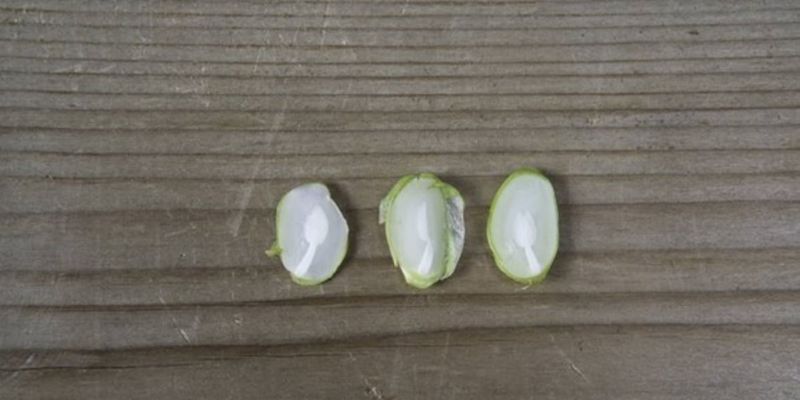
Persimmon seeds brought their own special magic. This tradition is strongest in Appalachian and Ozark country, but it spread widely.
You slice a seed open carefully and look at the little shape inside.
A spoon shape means heavy snow, perfect for shoveling. A fork points to a mild winter with light snow.
A knife warns of icy, cutting winds.
Want to try it? Find ripe persimmons in fall, remove the seeds, and soak them briefly.
Ask an adult to help cut them lengthwise, since the seeds are slippery and firm.
Kids usually love guessing which shape will appear. Record your results and see what the season brings.
Even if the seeds miss, you get a sweet fruit snack and a story worth retelling at Thanksgiving dinner.
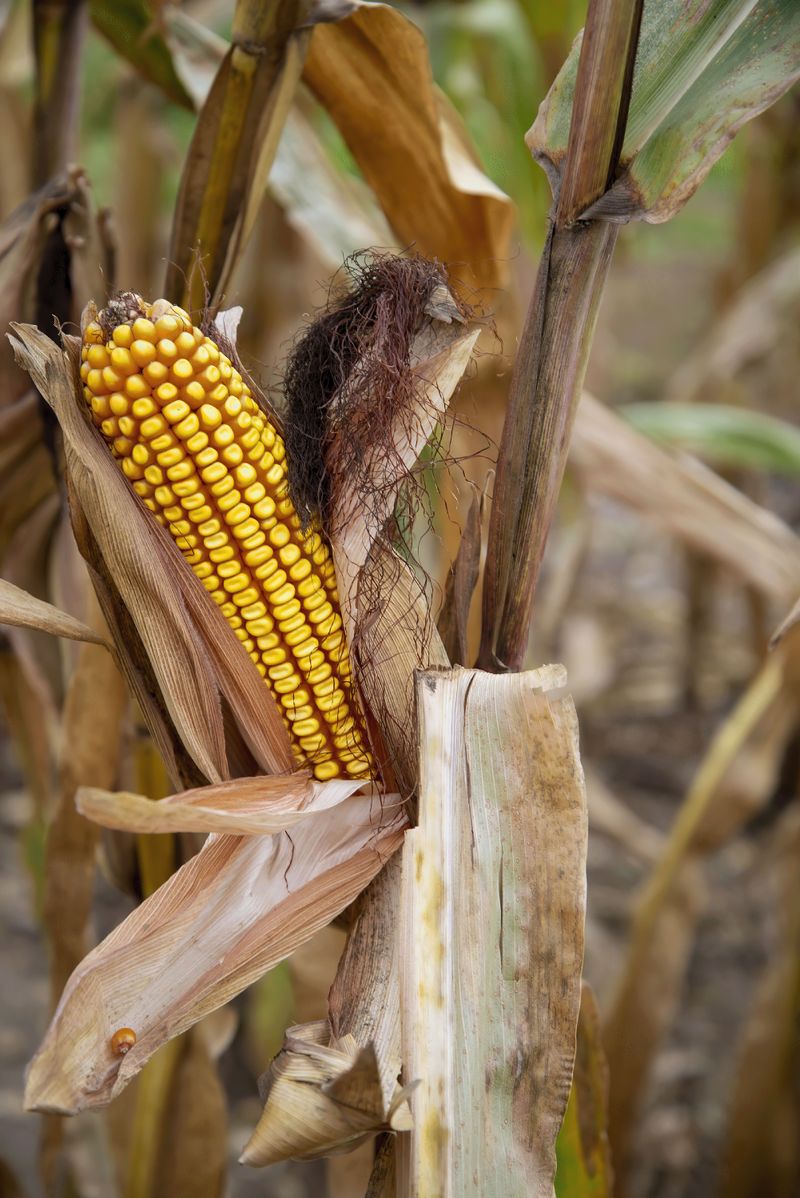
Image Credit: © @coldbeer / Pexels
Here is where science taps folklore politely on the shoulder. A corn plant cannot peek into the future.
It can only respond to what happens while it grows.
The quality of a corn crop depends mainly on its growing season. Rain, heat, sunlight, and soil all shape how an ear develops.
By the time harvest rolls around, the husk is a record of summer, not a forecast for January.
Genetics play a huge role too. Husk length, thickness, and width are controlled by several genes working together.
Two plants in the same field can look different simply because of their inherited traits.
Stress leaves clues as well. Drought or extreme heat before or during pollination can lead to shorter husks.
If the stress eases later, the cob may keep growing and poke out past the husk.
That bare tip is a handy thing for gardeners to spot. It often means the plant went through a rough patch earlier in summer.
Birds and insects may find those exposed kernels tempting.
So next time you peel an ear, think of it as a diary. Each layer tells you about the weather it already lived through, which is pretty fascinating on its own.
© Alliance of Native Seedkeepers
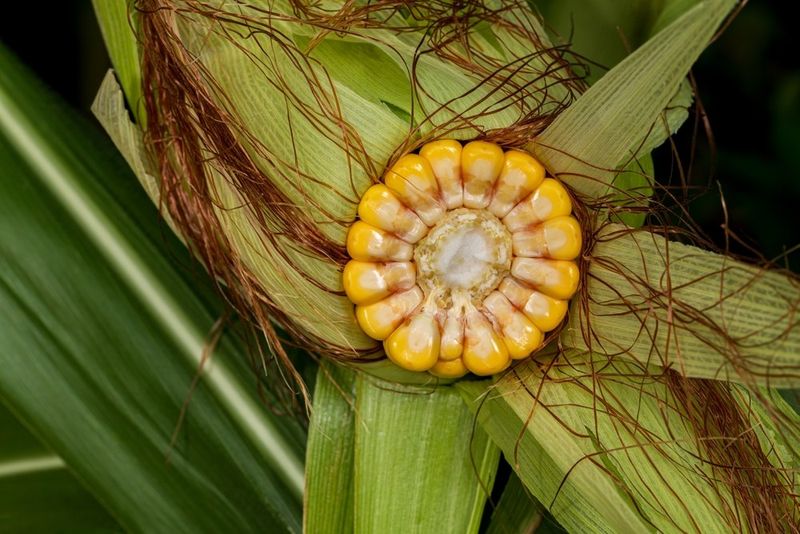
Rain drummed on the barn roof all July, and the corn seemed to love it. By August, the ears stood tall and wrapped snug like burritos.
Could the weather have caused that?
One theory says yes, at least partly. Corn husks may grow taller and tighter during a wet season, possibly helping shield the ears from rain.
In other words, the husk may reflect the soggy summer that already happened.
That idea flips the old lore around. Farmers saw tight husks and looked ahead to winter.
Science suggests looking backward at the rain gauge instead.
Moisture clearly matters to husk quality and ear growth. Researchers note that both water levels and the corn variety shape how ears develop.
In parts of fields hit by severe drought, husk leaves can look stunted and short.
For home gardeners, this offers a useful lesson. Steady watering during tasseling and silking helps ears fill out nicely.
A thirsty plant at that stage may give you skimpy husks and gappy kernels.
Try keeping a simple rainfall chart next summer. At harvest, compare your notes to how the husks look.
You might discover your own garden pattern, and that kind of discovery feels better than any old saying.
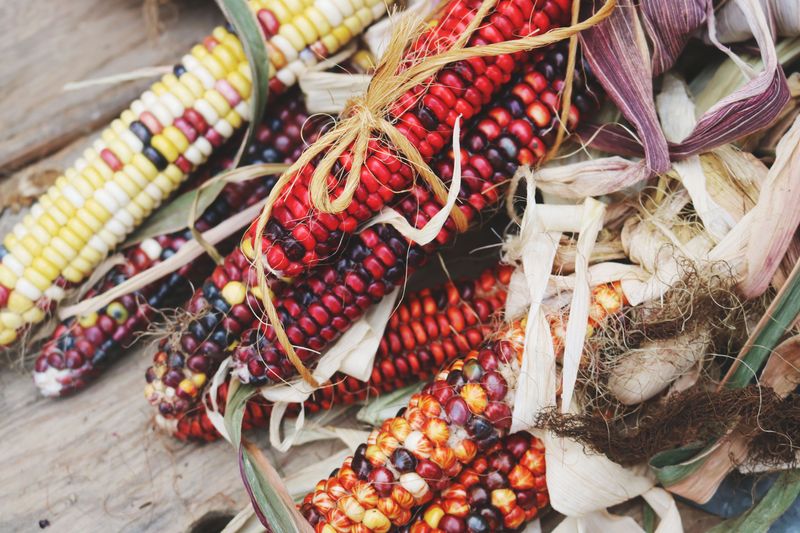
Image Credit: © Madison Inouye / Pexels
Walk through a seed catalog and you will feel like a kid in a candy store. Sweet corn, popcorn, field corn, and rainbow heirlooms all crowd the pages.
Each one carries its own personality, husks included.
There are thousands of corn types, each with different genetics. Some husks are paper-thin and peel off easily.
Others feel tough and leathery, almost like a work glove.
The number of husk leaves also changes from variety to variety. Seed breeders even pick certain types for how their husks look.
That matters a lot for fresh market sweet corn, where shoppers judge ears with their eyes.
So picture two neighbors comparing their crops. One planted a variety with naturally heavy husks, while the other grew a thin-husked type.
Their predictions would clash, even with the same winter coming.
That makes husks a shaky weather tool. You would be measuring seed choices more than any message from nature.
Comparing ears fairly would require the same variety, the same soil, and the same care.
Ohio gardeners can use this to their advantage, though. If earworms or birds trouble your patch, look for varieties known for tight, long husks.
Read seed packet descriptions closely, and you may enjoy cleaner, healthier ears at harvest.
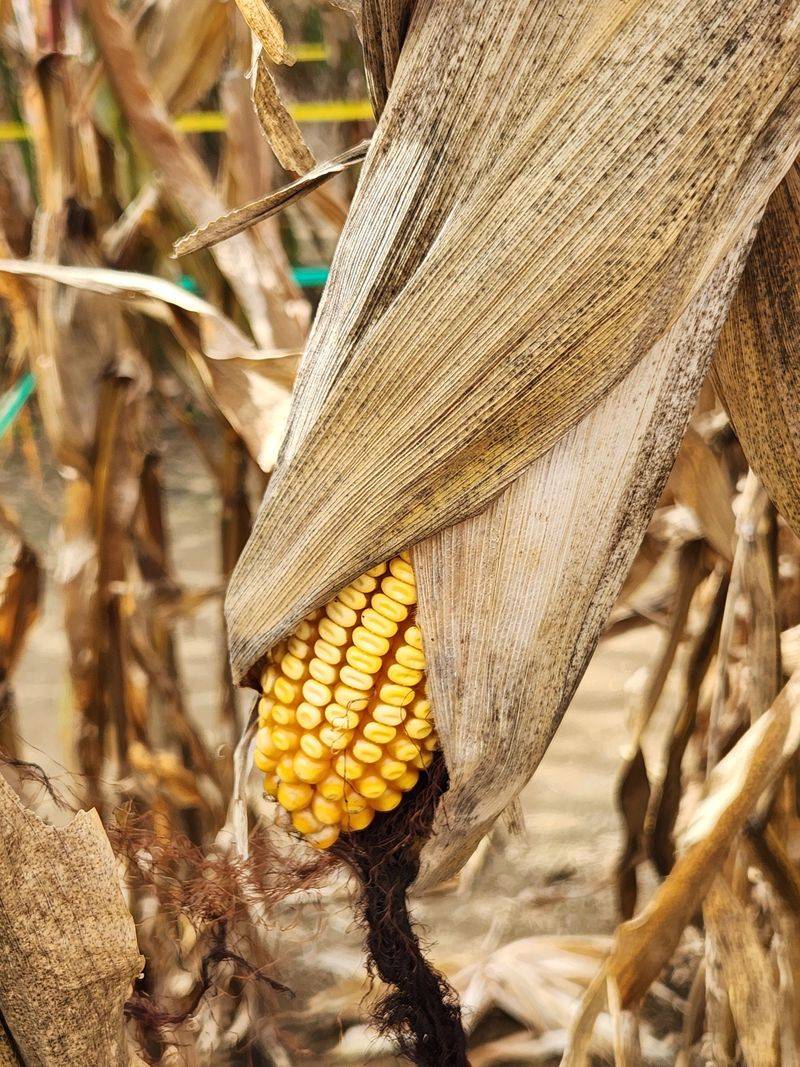
Image Credit: © Glen Mc Call / Pexels
Picture a room full of glowing screens, swirling ocean maps, and forecasters sipping coffee. You will not find a single corn husk on their desks.
That is how the National Oceanic and Atmospheric Administration does things.
NOAA, which runs the National Weather Service, relies on scientific analysis instead of folklore. Its team uses complex computer models built from huge amounts of data.
Satellites, weather balloons, and ocean buoys all feed information into those models.
For seasonal outlooks, forecasters watch big climate patterns like El Niño and La Niña. These shifts in Pacific Ocean temperatures can nudge winters warmer, colder, wetter, or drier.
Even so, the outlooks describe general trends rather than exact snow days.
Here is a surprising detail. NOAA does not predict snowfall more than about a week ahead.
Snow depends on tiny details that cannot be pinned down accurately much further out.
So what should a curious family do? Check NOAA’s seasonal outlook in the fall for the big picture.
Then watch the weekly forecast for timing on storms and cold snaps.
You can still enjoy the old traditions alongside the science. Peel your husks, slice your persimmon seeds, and compare them with the experts.
Winter guessing becomes a fun game everyone can play.
The post What Ohio Farmers Believed About Thick Corn Husks And The Winter Ahead appeared first on Positivebloom.
Ohio farmers once trusted signs like these more than any forecast on the radio. They checked the husks, studied the woolly bear caterpillars, and counted acorns on the ground.
A thick, tight wrap meant one thing to the folks who grew up on that wisdom. A thin, loose one meant the opposite.
Grandpas swore by the rules. Kids rolled their eyes.
Somewhere in the middle sits a story worth hearing, because a few of these beliefs have a surprising reason behind them.
Others fall flat the moment you test them.
Dig up the tale before the first snow flies. You’ll never look at a cornfield the same way again.
1. Thick, Tight Husks Meant A Rough Winter Was Coming
Image Credit: © L. Lum / Pexels
Grandpa would yank an ear off the stalk, tug at the wrapper, and frown. If it fought back, he started stacking extra firewood that same week.
Across Ohio, farmers widely believed that corn husks thicker and tighter than usual pointed to a cold, harsh winter. The idea traveled from parents to kids for generations.
People who lived close to the land trusted signs they could touch and see.
The thinking made a kind of sense to them. Nature seemed to be bundling up its crop, so people figured they should do the same.
A thin, loose husk, on the other hand, hinted at a gentler season.
Farm families checked husks during harvest, often comparing ears from different rows. Neighbors traded notes at church, the feed store, or over the fence.
A heavy husk year could spark plenty of talk about snowdrifts and frozen pumps.
You can try this tradition yourself in a garden or at a farm stand. Peel a few ears and notice how many layers you find and how snugly they wrap.
Jot down your guess, then compare it to the actual winter.
Treat it like a fun family game rather than a forecast. Keeping a simple notebook year after year turns old lore into a neat science project for kids.
2. The Same Logic Applied To Onion Skins And Nut Shells
© The Old Farmer’s Almanac
Onion skins thin, coming winter mild. Onion skins thick and tough, coming winter cold and rough.
That little rhyme has bounced around farm kitchens for well over a century.
Corn was not the only crop people studied. If an onion’s papery layers felt flimsy, folks expected an easy season.
If they crackled and stacked up like extra blankets, families braced for bitter weather.
Nuts got the same treatment. Thick walnut and hickory shells were said to predict a severe winter.
Some even checked apple skins, claiming a tougher peel meant harder months ahead.
You can see the pattern here. In each case, a thicker outer layer was read as nature preparing for trouble.
The idea felt logical, since people pile on coats when it gets cold.
For a fun fall activity, gather onions, apples, and nuts from a local market. Compare peels and shells, then rate each one on a thick-to-thin scale.
Kids love cracking nuts for science.
Just remember that store produce may come from many farms and regions. Their skins tell you more about where and how they grew than about Ohio snow.
Still, the hands-on comparison makes the old sayings come alive in a memorable way.
3. Cleveland’s Dick Goddard Put Corn Husks On His Hard-Winter List
Image Credit: © Ranjeet Chauhan / Pexels
Long before weather apps buzzed in our pockets, Cleveland families tuned in to Dick Goddard. He was a beloved TV meteorologist with a gift for blending science and storytelling.
Goddard put together a list of 20 signs from nature that pointed to a severe winter. Thicker-than-normal corn husks earned a spot on it.
That list was featured in the 1978 Farmers’ Almanac, and people still share it today.
Why would a trained forecaster talk about husks? Mostly because viewers loved it.
The list connected modern weather reports with the stories their grandparents told on the porch.
His other signs included things like woolly caterpillars and busy squirrels. Each item gave everyday people a reason to step outside and look around.
That curiosity is a pretty great gift from a weatherman.
Goddard’s charm shows how folklore and science can live side by side. He knew the real forecasts came from data.
Yet he also understood how much folks treasured their seasonal traditions.
Fun fact: Goddard was also famous for creating the Woollybear Festival in Vermilion, Ohio. Thousands of people still gather there each fall to celebrate fuzzy caterpillars and winter guessing games.
If you visit, bring a costume, since creative outfits are part of the fun.
4. Farmers Saw Husks Like An Animal’s Winter Coat
Image Credit: © Rodolfo Clix / Pexels
Think about the family dog in October. Its fur gets fluffier, and suddenly there is hair on every couch cushion.
Farmers noticed the same thing with horses, cows, and barn cats.
Old lore took that idea and applied it to plants. A thick corn husk was compared to an animal growing a heavier coat to stay warm.
If the corn was dressing up for cold weather, people figured a chilly winter was on its way.
The comparison stretched to walnut and hickory shells too. A sturdy shell looked like nature’s version of a puffy jacket.
To farm families, it seemed like every living thing was getting ready together.
Here is the fun twist. Animals grow thicker coats mainly because days get shorter, not because they know the future.
Their bodies respond to changing light and temperatures happening right now.
Plants work in a similar way. They react to the conditions around them during growth, not to weather months away.
So the comparison was clever, but the reasoning had a gap.
Still, the idea is a lovely way to explain nature to kids. Ask them to compare a pet’s summer and winter coat, then peel some corn.
It sparks great conversations about how living things adapt.
5. Acorns And Persimmon Seeds Joined The Lore
© KFVS12
Crunch, crunch, crunch. Walking under an oak tree in a heavy acorn year feels like stepping on marbles.
Many rural folks took that noisy carpet as a warning of cold weather.
A big drop of acorns was often seen as a sign of a frosty winter. A large crop of walnuts or berries supposedly meant a snowy, cold season too.
People believed nature was stocking the pantry for hungry animals.
Persimmon seeds brought their own special magic. This tradition is strongest in Appalachian and Ozark country, but it spread widely.
You slice a seed open carefully and look at the little shape inside.
A spoon shape means heavy snow, perfect for shoveling. A fork points to a mild winter with light snow.
A knife warns of icy, cutting winds.
Want to try it? Find ripe persimmons in fall, remove the seeds, and soak them briefly.
Ask an adult to help cut them lengthwise, since the seeds are slippery and firm.
Kids usually love guessing which shape will appear. Record your results and see what the season brings.
Even if the seeds miss, you get a sweet fruit snack and a story worth retelling at Thanksgiving dinner.
6. Husk Thickness Reflects The Growing Season, Not The Winter Ahead
Image Credit: © @coldbeer / Pexels
Here is where science taps folklore politely on the shoulder. A corn plant cannot peek into the future.
It can only respond to what happens while it grows.
The quality of a corn crop depends mainly on its growing season. Rain, heat, sunlight, and soil all shape how an ear develops.
By the time harvest rolls around, the husk is a record of summer, not a forecast for January.
Genetics play a huge role too. Husk length, thickness, and width are controlled by several genes working together.
Two plants in the same field can look different simply because of their inherited traits.
Stress leaves clues as well. Drought or extreme heat before or during pollination can lead to shorter husks.
If the stress eases later, the cob may keep growing and poke out past the husk.
That bare tip is a handy thing for gardeners to spot. It often means the plant went through a rough patch earlier in summer.
Birds and insects may find those exposed kernels tempting.
So next time you peel an ear, think of it as a diary. Each layer tells you about the weather it already lived through, which is pretty fascinating on its own.
7. Wet Summers May Produce Tighter Husks
© Alliance of Native Seedkeepers
Rain drummed on the barn roof all July, and the corn seemed to love it. By August, the ears stood tall and wrapped snug like burritos.
Could the weather have caused that?
One theory says yes, at least partly. Corn husks may grow taller and tighter during a wet season, possibly helping shield the ears from rain.
In other words, the husk may reflect the soggy summer that already happened.
That idea flips the old lore around. Farmers saw tight husks and looked ahead to winter.
Science suggests looking backward at the rain gauge instead.
Moisture clearly matters to husk quality and ear growth. Researchers note that both water levels and the corn variety shape how ears develop.
In parts of fields hit by severe drought, husk leaves can look stunted and short.
For home gardeners, this offers a useful lesson. Steady watering during tasseling and silking helps ears fill out nicely.
A thirsty plant at that stage may give you skimpy husks and gappy kernels.
Try keeping a simple rainfall chart next summer. At harvest, compare your notes to how the husks look.
You might discover your own garden pattern, and that kind of discovery feels better than any old saying.
8. Corn Varieties Differ Too Much To Read The Weather
Image Credit: © Madison Inouye / Pexels
Walk through a seed catalog and you will feel like a kid in a candy store. Sweet corn, popcorn, field corn, and rainbow heirlooms all crowd the pages.
Each one carries its own personality, husks included.
There are thousands of corn types, each with different genetics. Some husks are paper-thin and peel off easily.
Others feel tough and leathery, almost like a work glove.
The number of husk leaves also changes from variety to variety. Seed breeders even pick certain types for how their husks look.
That matters a lot for fresh market sweet corn, where shoppers judge ears with their eyes.
So picture two neighbors comparing their crops. One planted a variety with naturally heavy husks, while the other grew a thin-husked type.
Their predictions would clash, even with the same winter coming.
That makes husks a shaky weather tool. You would be measuring seed choices more than any message from nature.
Comparing ears fairly would require the same variety, the same soil, and the same care.
Ohio gardeners can use this to their advantage, though. If earworms or birds trouble your patch, look for varieties known for tight, long husks.
Read seed packet descriptions closely, and you may enjoy cleaner, healthier ears at harvest.
9. NOAA Forecasters Don’t Use Weather Lore
Image Credit: © Glen Mc Call / Pexels
Picture a room full of glowing screens, swirling ocean maps, and forecasters sipping coffee. You will not find a single corn husk on their desks.
That is how the National Oceanic and Atmospheric Administration does things.
NOAA, which runs the National Weather Service, relies on scientific analysis instead of folklore. Its team uses complex computer models built from huge amounts of data.
Satellites, weather balloons, and ocean buoys all feed information into those models.
For seasonal outlooks, forecasters watch big climate patterns like El Niño and La Niña. These shifts in Pacific Ocean temperatures can nudge winters warmer, colder, wetter, or drier.
Even so, the outlooks describe general trends rather than exact snow days.
Here is a surprising detail. NOAA does not predict snowfall more than about a week ahead.
Snow depends on tiny details that cannot be pinned down accurately much further out.
So what should a curious family do? Check NOAA’s seasonal outlook in the fall for the big picture.
Then watch the weekly forecast for timing on storms and cold snaps.
You can still enjoy the old traditions alongside the science. Peel your husks, slice your persimmon seeds, and compare them with the experts.
Winter guessing becomes a fun game everyone can play.
The post What Ohio Farmers Believed About Thick Corn Husks And The Winter Ahead appeared first on Positivebloom.