W
Wilma Eldridge
Guest
- Thread Author
- #1
Dusk settles over California neighborhoods a little earlier each evening, and with it comes a quiet visitor that often slips past unnoticed.
It moves with purpose, nose low, checking corners most people rarely think about.
As fall gives way to winter, food and water grow scarcer in open country, and young animals born in spring start searching for places of their own.
Suburban yards, city lots, and rural properties all end up on the route.
Many of the things that draw this visitor in look perfectly ordinary in daylight.
Small changes, most of them simple and inexpensive, can make a property far less rewarding to explore. A calmer, safer season for families and pets often starts right outside the back door.
© Reddit
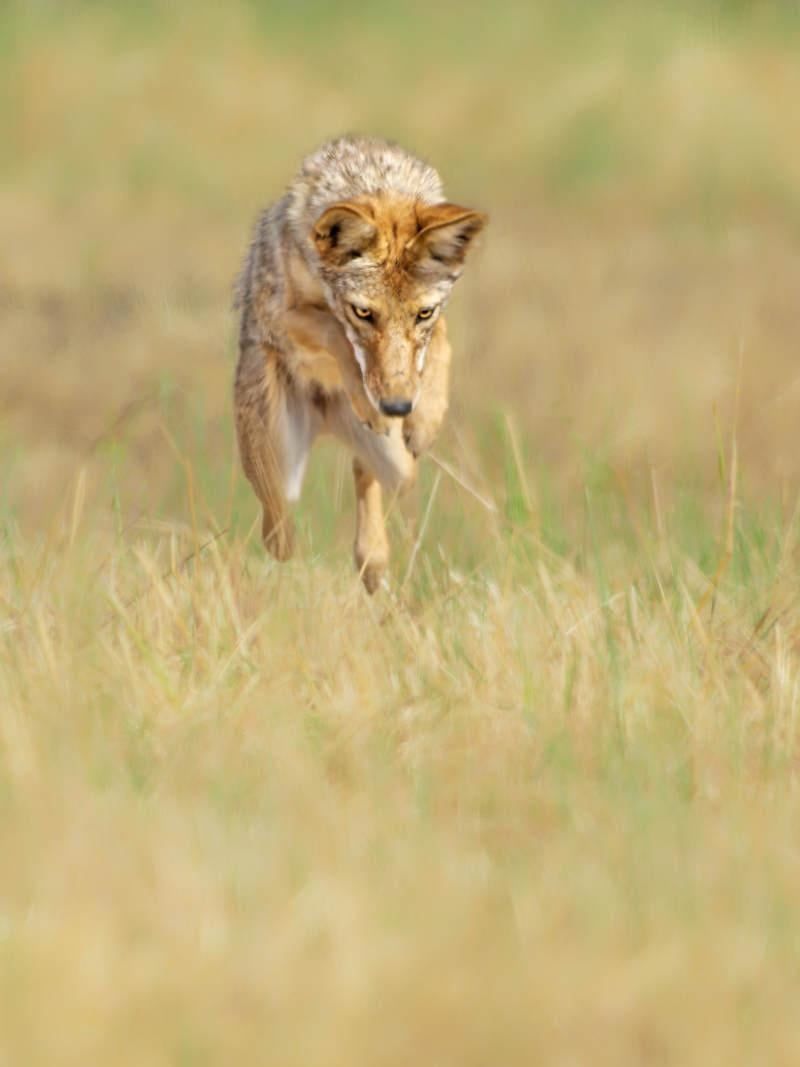
A coyote hunting a gopher performs a small ballet. It freezes, cocks its head, then springs high and pounces nose first into the dirt.
That leap signals a yard serving up the main course.
Rodents rank as a top food for coyotes across California, from mice and rats to gophers, voles, and ground squirrels.
UC IPM notes that small mammals make up a large share of the coyote diet, along with fruit, insects, and whatever else is handy.
Fall can bring a rodent rush as rats and mice look for warm shelter and steady food before the cold, wet months.
Wherever rodents gather, coyotes follow their noses, and a busy rodent yard becomes a regular stop on the nightly route.
A smart coyote plan often starts with a rodent plan. Sealing gaps under sheds and around foundations, and thinning dense ivy where rats nest, removes shelter.
Firewood stored off the ground and at least 30 feet from the house, per CAL FIRE guidance, helps on both fronts.
Daily cleanup of spilled birdseed, or bringing feeders in for the season, cuts off nighttime rat meals. Pet food left out feeds mice just as readily.
Rodent poisons are best avoided. Poisoned rodents can be eaten by coyotes, hawks, owls, and pets, and California already restricts many of these products.
For persistent infestations, a licensed pest professional can recommend exclusion and other safer approaches.
© Reddit
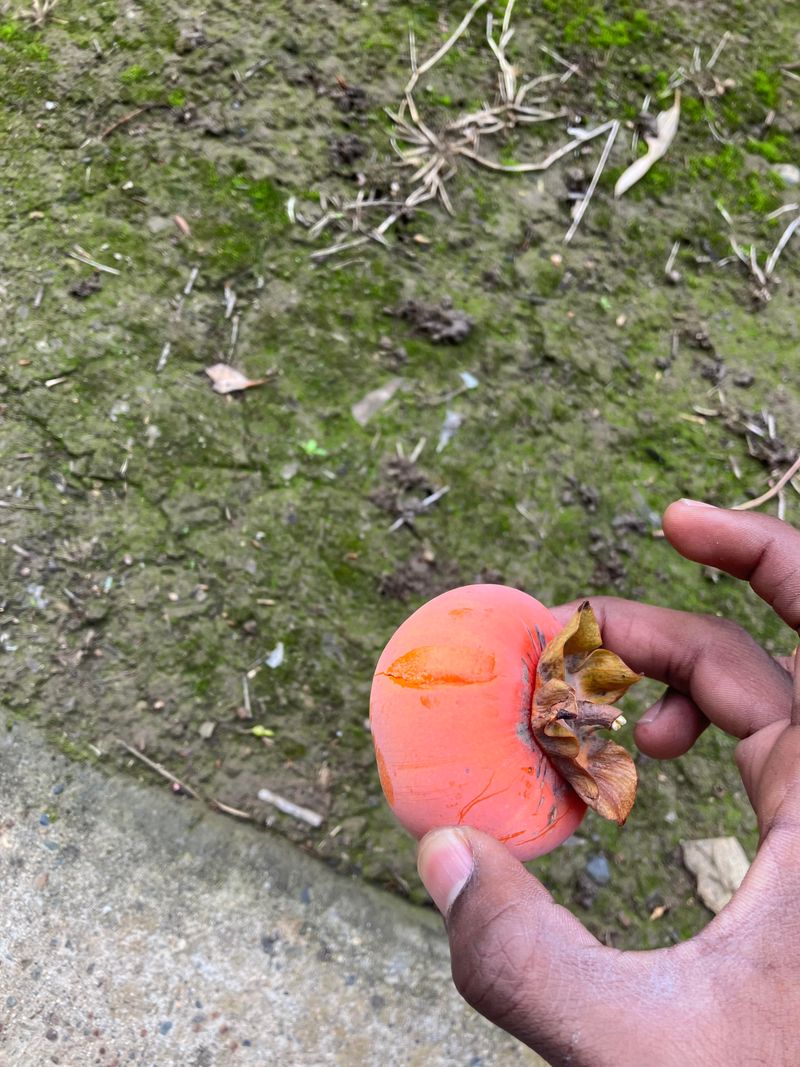
Persimmons, pomegranates, citrus, avocados, and late apples all drop around this time of year. A pile of soft fruit on the lawn looks like a chore to most gardeners.
To a coyote, it looks like dessert with no effort required.
Many people are surprised to learn coyotes eat fruit, yet they relish it. CDFW lists fallen fruit among the common attractants that pull coyotes into neighborhoods.
Seed-filled scat near a backyard tree offers a strong clue that one has been snacking there.
Fruit works like bait in a second way. Rats, opossums, raccoons, and squirrels arrive for the drops, and coyotes follow for both the fruit and the animals eating it.
A daily or every-other-day pickup habit helps most. A bucket kept by the back door makes the chore feel easy.
Harvesting ripe fruit before it falls also helps, and extra can go to neighbors, food banks, or local gleaning groups.
Overripe fruit belongs in a lidded green waste cart rather than an open pile.
Pruning low branches makes fruit harder to reach from the ground. A tidy orchard floor tells a passing coyote that this yard offers little worth stopping for.
Fruit trees are a joy to grow in California, and a little cleanup keeps the harvest for the household rather than the local wildlife.
Pomegranates that split on the branch deserve early picking, since cracked fruit draws insects and rodents quickly.
© Mississauga.ca
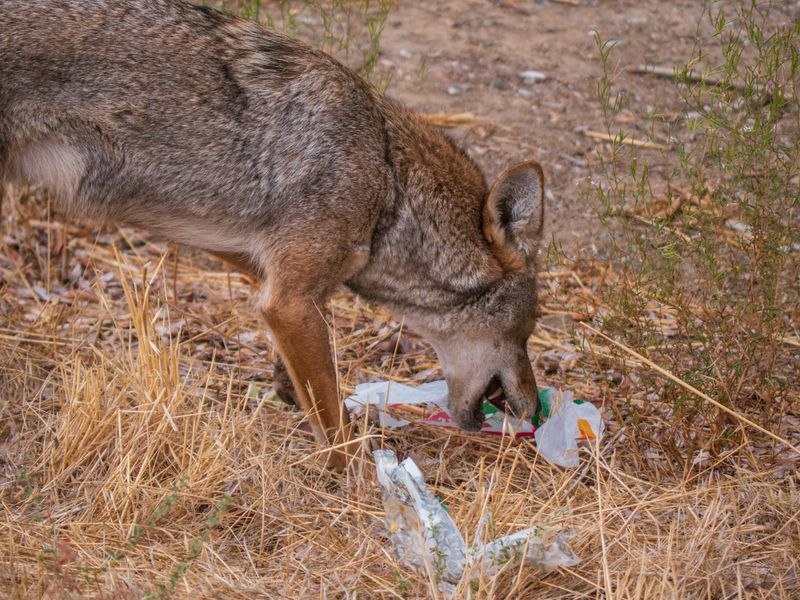
One bowl of kibble left on the porch overnight can change a coyote’s entire routine. After a single easy meal, it may return night after night, bolder each time.
CDFW’s Keep Me Wild guidance stresses that feeding coyotes, on purpose or by accident, creates problems. Outdoor pet food ranks among the most common accidental handouts.
It smells strong, packs plenty of calories, and sits in the same spot every day.
Feeding dogs and cats indoors works best. When outdoor meals are necessary, staying close and bringing bowls in right away removes the temptation.
Bags of food belong in a garage or a sealed metal bin rather than on an open patio, where raccoons may also find it.
Trash offers the other big draw. Meat scraps, greasy wrappers, and old leftovers smell irresistible to a hungry coyote.
Cans with tight lids help, and a bungee cord or latch keeps loose lids from popping open.
Setting trash out the morning of pickup rather than the night before shortens the window. An occasional rinse of cans cuts down on lingering odors.
Clean barbecue grills matter too, since drippings can lure curious noses onto the deck.
Coyotes that link people with food can lose their natural wariness. Many California cities and counties prohibit feeding wildlife, so local ordinances may apply as well.
Locked-up pet food and garbage protect pets and help coyotes stay wild and cautious.
© Reddit
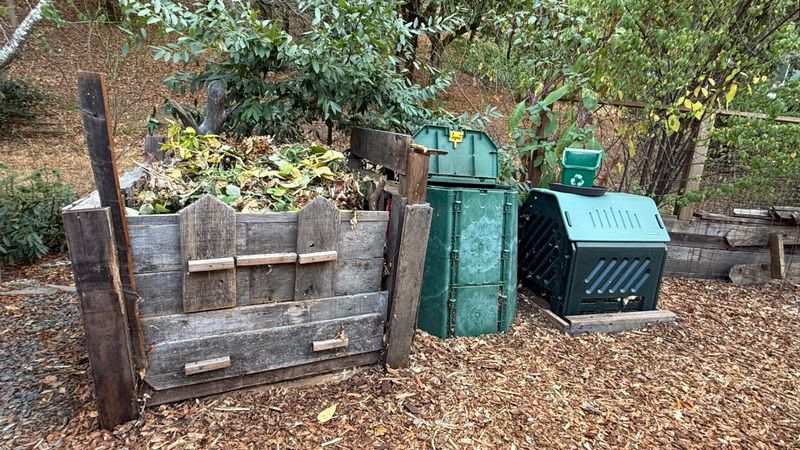
Gardeners treasure compost, and so do neighborhood critters. An open pile with melon rinds and bread crusts works like a neon sign advertising free food.
Coyotes notice that sign quickly.
Most of the time, a coyote cares little for carrot peels. It’s after the rats, mice, and ground squirrels that crowd into warm, food-rich compost.
UC IPM notes that anything feeding rodents can indirectly attract coyotes, and compost offers a prime example.
Some coyotes also eat scraps straight from the heap, especially meat, dairy, or cooked food. Raccoons, skunks, and opossums may join in, turning the compost corner into a busy diner.
A closed bin with a lid and solid bottom helps, or a base lined with quarter-inch hardware cloth to stop tunneling. Tumblers work well because they sit off the ground.
Meat, fish, bones, dairy, and oily foods are best kept out of home compost entirely. California’s organic waste law lets green carts handle those scraps in many cities.
Fresh kitchen scraps buried under dry leaves or other brown material hide the smell, and frequent turning keeps the pile hot and less inviting for nesting rodents.
Bins work best away from fences and thick shrubs where coyotes travel under cover. In fire-prone areas, they also belong beyond the first five feet of the house.
With a few tweaks, compost can keep feeding the garden without feeding the whole block.
© Orange County Register
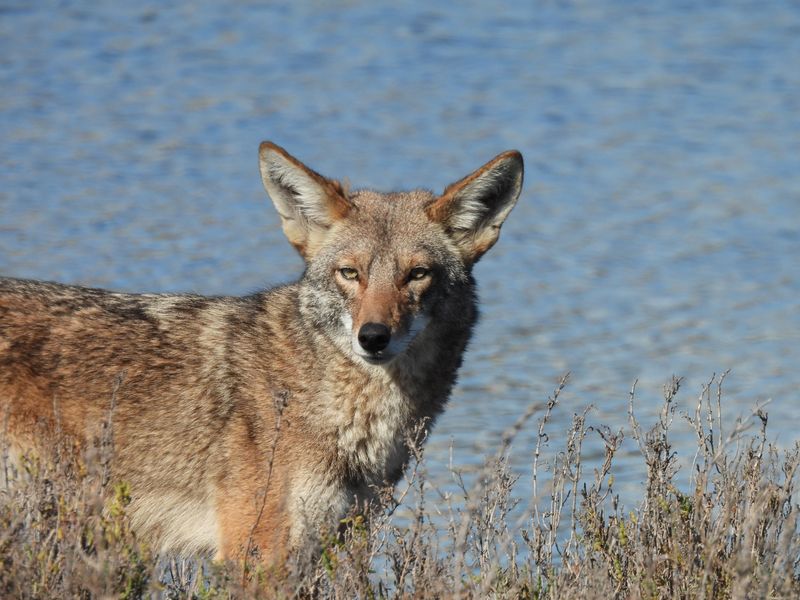
California’s fall often feels more like late summer. Creeks shrink, ponds turn to mud, and the first soaking rains may still be weeks away.
A thirsty coyote will travel a long way for a drink.
Many yards hold more water than they seem to. Fountains, birdbaths, koi ponds, pet dishes, dripping hose bibs, and leaky sprinklers all count.
CDFW lists water among the things that draw coyotes close to homes, especially during dry stretches.
A full dog bowl left by the back step each night can make one yard stand out. Water plus nearby food makes a spot especially tempting.
Pet water dishes belong indoors overnight. Fixing leaky faucets and broken irrigation lines helps too, and it trims the water bill.
Morning watering lets puddles dry before dusk.
Ponds and fountains can stay, though fencing or netting around them helps, along with keeping them away from shrubby cover.
Birdbaths are lovely, and during very dry months, emptying them in the evening and refilling them each morning keeps them useful for birds by day.
Standing water in tarps, buckets, and children’s toys deserves attention after hosing things down. Small sources add up quickly.
Cutting off easy water makes a property less useful to a coyote, and it will likely shift its rounds elsewhere.
Once winter rains return, natural water spreads out across the landscape and this draw usually fades.
© Reddit
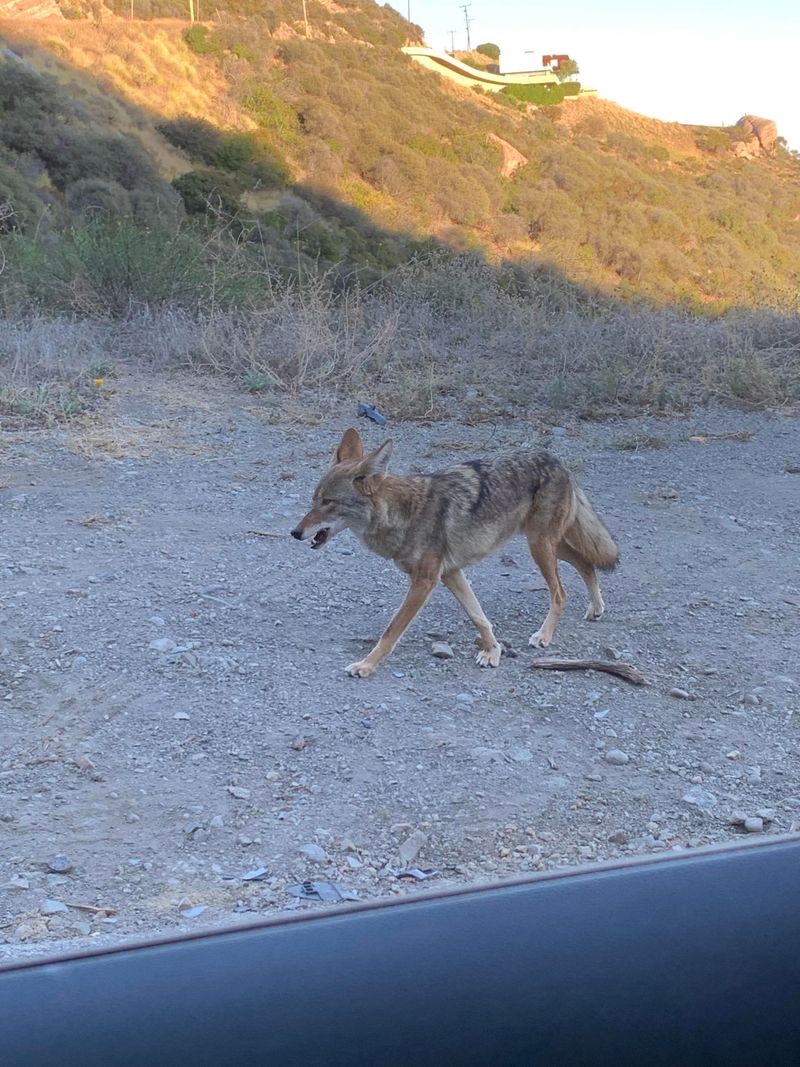
The sky turns orange, the porch light clicks on, and the small dog heads out for one last potty break. That quiet moment matches peak coyote activity.
Dawn and dusk are prime hunting hours, though coyotes also move at night and sometimes by day.
To a coyote, a small dog or cat can resemble a rabbit. CDFW warns that pets left outside, especially small ones, face real risk.
Cats roaming at night rank among the pets most often lost to coyotes in California neighborhoods.
Indoor cats stay safer from coyotes, cars, and disease, and they protect songbirds too. A screened catio offers fresh air without the risk.
Small dogs do best on a short leash rather than a long retractable one, which lets a pup wander out of reach.
Staying outside with them at dawn and dusk helps, even in a fenced yard, since coyotes can clear many fences and dig under others.
Pets belong inside at night. Rabbits, chickens, and other small animals need sturdy, fully enclosed pens with solid roofs and buried wire skirts.
Chicken wire alone rarely holds up, so welded hardware cloth makes a stronger choice.
A flashlight or whistle on evening walks adds confidence. When a coyote appears, picking up the small dog, standing tall, and making noise usually sends it off.
A watchful owner remains the best bodyguard a little pet can have.
© Reddit
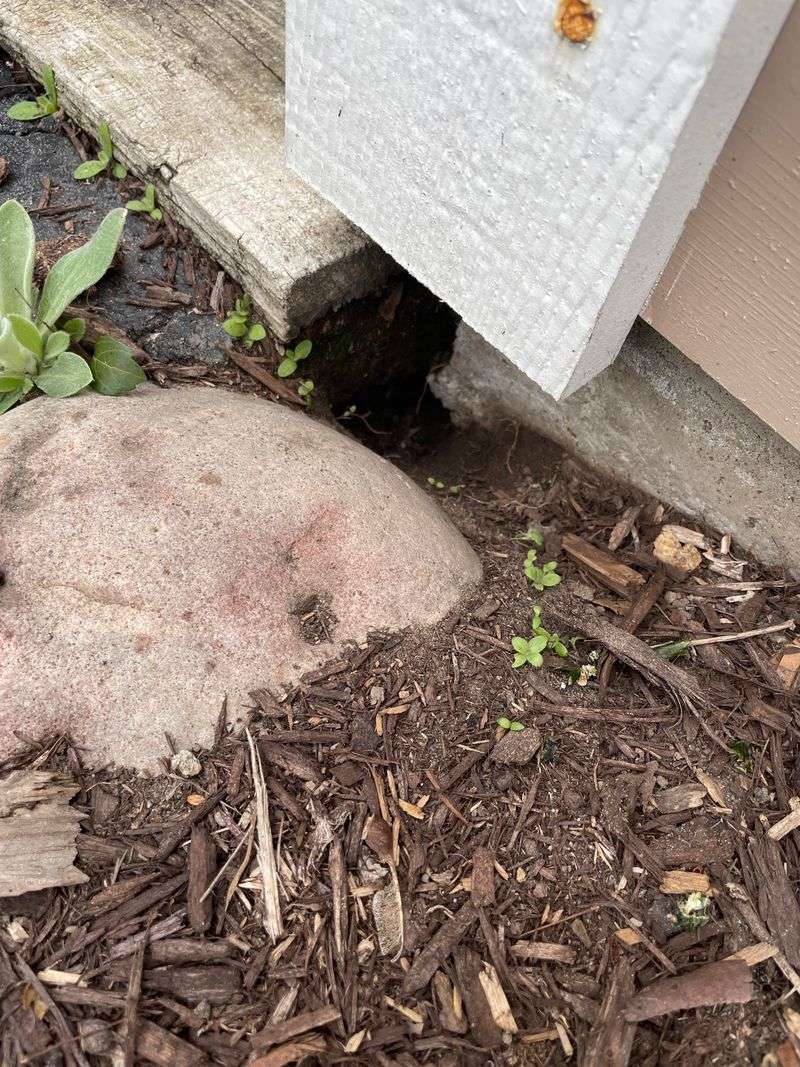
A fresh hole under the deck or a flattened spot in the brush pile may mean someone is scouting real estate.
Coyotes look for hidden, sheltered places to rest and, by late winter, to raise pups.
Pups are usually born in spring, but parents start checking den sites well before then. Spaces under decks, porches, and sheds feel safe and dry.
Thick piles of brush or lumber, overgrown hillsides, and ivy-covered slopes draw interest as well.
A walk around the yard reveals likely gaps. Sturdy wire mesh or lattice closes openings under decks and sheds, with the bottom edge buried several inches deep.
Bending the mesh outward in an L shape also stops animals from digging under.
Before sealing anything, confirming that no animal is inside matters most. Loose soil or flour sprinkled at the opening will show tracks if something comes and goes.
Sealing works best once the space is clearly empty, and it’s best avoided during spring and early summer pup season.
Clearing brush piles, old lumber, and dense low shrubs near the house removes cover. Within five feet of the home, Zone 0 guidance favors keeping that space clear anyway.
California rules limit trapping and relocating wildlife, which makes exclusion the smarter route.
A sealed deck offers a quiet, lasting fix that keeps any wildlife from moving in. Late fall, before den scouting picks up, makes an ideal time for the work.
© cityofmorenovalley
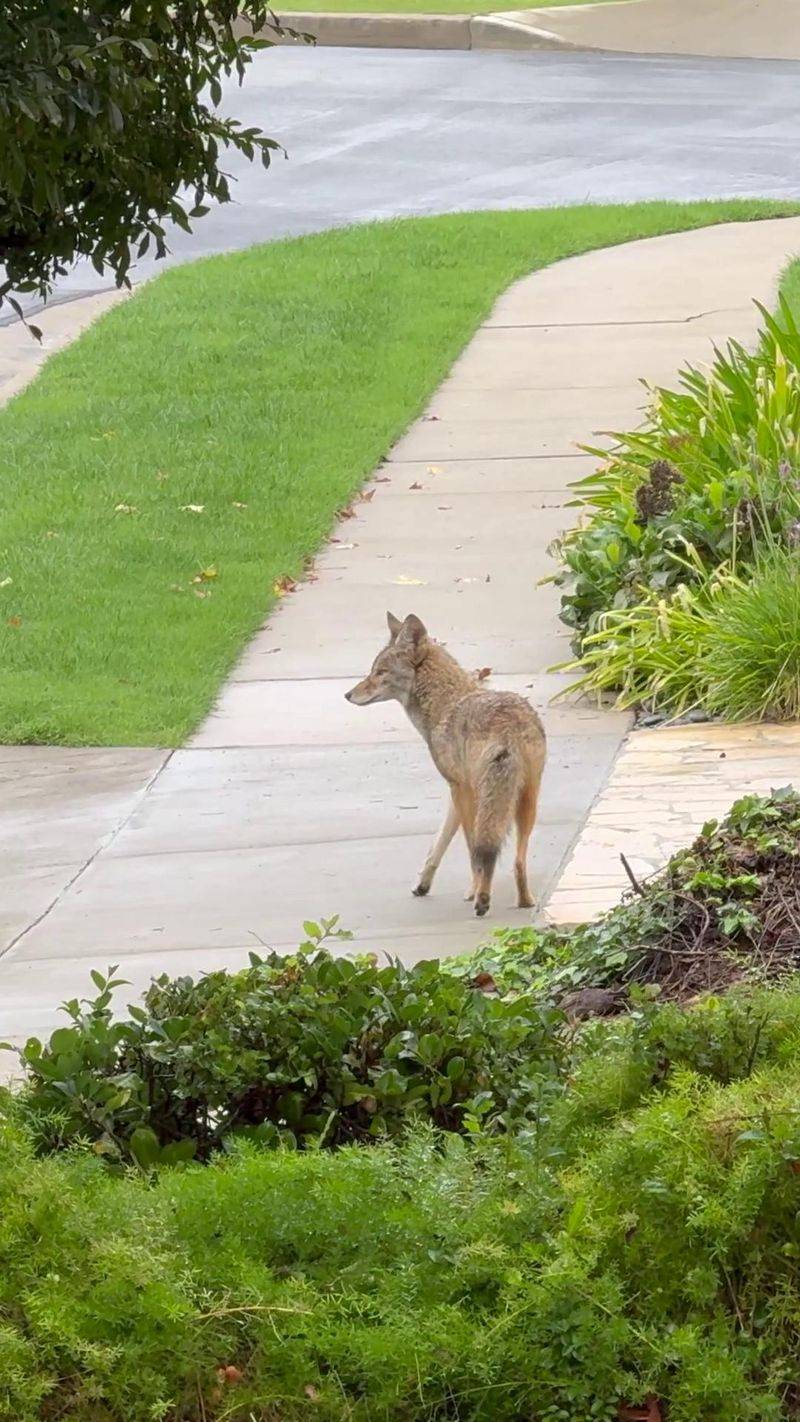
Waving arms, stomping feet, and a loud, firm voice may feel silly, yet that noisy show ranks among the best tools for living with coyotes.
Experts call it hazing, and CDFW recommends it.
Hazing helps coyotes keep a healthy fear of people. Standing tall, shouting, clapping, blowing a whistle, or shaking a can of coins all send a clear message.
Small objects such as sticks or tennis balls tossed toward the coyote, aimed to startle rather than hit, add emphasis. A spray from the garden hose works well too.
Continuing until the animal leaves matters, and turning to run away is best avoided.
Motion-activated lights and sprinklers can haze overnight. Varying methods keeps coyotes from getting used to one trick, and neighbors who haze together send a stronger message.
Hazing is best skipped near an active den with pups or with a coyote that appears sick or injured. CDFW or local animal services can advise in those cases.
Hazing only works once rewards are gone. Fallen fruit, outdoor pet food, open trash, spilled birdseed, easy water, and open den spots all deserve attention.
A coyote chased from a full buffet will simply return.
Coyotes that act aggressively can be reported to CDFW through its Wildlife Incident Reporting system or to local animal services. An attack or immediate threat calls for 911.
Consistent effort across a neighborhood usually brings the best long-term results.
The post What Coyotes Are Looking For In Your California Yard Before Winter appeared first on Positivebloom.
It moves with purpose, nose low, checking corners most people rarely think about.
As fall gives way to winter, food and water grow scarcer in open country, and young animals born in spring start searching for places of their own.
Suburban yards, city lots, and rural properties all end up on the route.
Many of the things that draw this visitor in look perfectly ordinary in daylight.
Small changes, most of them simple and inexpensive, can make a property far less rewarding to explore. A calmer, safer season for families and pets often starts right outside the back door.
1. Rodents Draw Coyotes Into Yards
A coyote hunting a gopher performs a small ballet. It freezes, cocks its head, then springs high and pounces nose first into the dirt.
That leap signals a yard serving up the main course.
Rodents rank as a top food for coyotes across California, from mice and rats to gophers, voles, and ground squirrels.
UC IPM notes that small mammals make up a large share of the coyote diet, along with fruit, insects, and whatever else is handy.
Fall can bring a rodent rush as rats and mice look for warm shelter and steady food before the cold, wet months.
Wherever rodents gather, coyotes follow their noses, and a busy rodent yard becomes a regular stop on the nightly route.
A smart coyote plan often starts with a rodent plan. Sealing gaps under sheds and around foundations, and thinning dense ivy where rats nest, removes shelter.
Firewood stored off the ground and at least 30 feet from the house, per CAL FIRE guidance, helps on both fronts.
Daily cleanup of spilled birdseed, or bringing feeders in for the season, cuts off nighttime rat meals. Pet food left out feeds mice just as readily.
Rodent poisons are best avoided. Poisoned rodents can be eaten by coyotes, hawks, owls, and pets, and California already restricts many of these products.
For persistent infestations, a licensed pest professional can recommend exclusion and other safer approaches.
2. Fallen Fruit Offers Easy Calories
Persimmons, pomegranates, citrus, avocados, and late apples all drop around this time of year. A pile of soft fruit on the lawn looks like a chore to most gardeners.
To a coyote, it looks like dessert with no effort required.
Many people are surprised to learn coyotes eat fruit, yet they relish it. CDFW lists fallen fruit among the common attractants that pull coyotes into neighborhoods.
Seed-filled scat near a backyard tree offers a strong clue that one has been snacking there.
Fruit works like bait in a second way. Rats, opossums, raccoons, and squirrels arrive for the drops, and coyotes follow for both the fruit and the animals eating it.
A daily or every-other-day pickup habit helps most. A bucket kept by the back door makes the chore feel easy.
Harvesting ripe fruit before it falls also helps, and extra can go to neighbors, food banks, or local gleaning groups.
Overripe fruit belongs in a lidded green waste cart rather than an open pile.
Pruning low branches makes fruit harder to reach from the ground. A tidy orchard floor tells a passing coyote that this yard offers little worth stopping for.
Fruit trees are a joy to grow in California, and a little cleanup keeps the harvest for the household rather than the local wildlife.
Pomegranates that split on the branch deserve early picking, since cracked fruit draws insects and rodents quickly.
3. Pet Food And Trash Are Open Buffets
© Mississauga.ca
One bowl of kibble left on the porch overnight can change a coyote’s entire routine. After a single easy meal, it may return night after night, bolder each time.
CDFW’s Keep Me Wild guidance stresses that feeding coyotes, on purpose or by accident, creates problems. Outdoor pet food ranks among the most common accidental handouts.
It smells strong, packs plenty of calories, and sits in the same spot every day.
Feeding dogs and cats indoors works best. When outdoor meals are necessary, staying close and bringing bowls in right away removes the temptation.
Bags of food belong in a garage or a sealed metal bin rather than on an open patio, where raccoons may also find it.
Trash offers the other big draw. Meat scraps, greasy wrappers, and old leftovers smell irresistible to a hungry coyote.
Cans with tight lids help, and a bungee cord or latch keeps loose lids from popping open.
Setting trash out the morning of pickup rather than the night before shortens the window. An occasional rinse of cans cuts down on lingering odors.
Clean barbecue grills matter too, since drippings can lure curious noses onto the deck.
Coyotes that link people with food can lose their natural wariness. Many California cities and counties prohibit feeding wildlife, so local ordinances may apply as well.
Locked-up pet food and garbage protect pets and help coyotes stay wild and cautious.
4. Compost Piles Attract Prey And Scavengers
Gardeners treasure compost, and so do neighborhood critters. An open pile with melon rinds and bread crusts works like a neon sign advertising free food.
Coyotes notice that sign quickly.
Most of the time, a coyote cares little for carrot peels. It’s after the rats, mice, and ground squirrels that crowd into warm, food-rich compost.
UC IPM notes that anything feeding rodents can indirectly attract coyotes, and compost offers a prime example.
Some coyotes also eat scraps straight from the heap, especially meat, dairy, or cooked food. Raccoons, skunks, and opossums may join in, turning the compost corner into a busy diner.
A closed bin with a lid and solid bottom helps, or a base lined with quarter-inch hardware cloth to stop tunneling. Tumblers work well because they sit off the ground.
Meat, fish, bones, dairy, and oily foods are best kept out of home compost entirely. California’s organic waste law lets green carts handle those scraps in many cities.
Fresh kitchen scraps buried under dry leaves or other brown material hide the smell, and frequent turning keeps the pile hot and less inviting for nesting rodents.
Bins work best away from fences and thick shrubs where coyotes travel under cover. In fire-prone areas, they also belong beyond the first five feet of the house.
With a few tweaks, compost can keep feeding the garden without feeding the whole block.
5. Water Sources Draw Them In Dry Weather
© Orange County Register
California’s fall often feels more like late summer. Creeks shrink, ponds turn to mud, and the first soaking rains may still be weeks away.
A thirsty coyote will travel a long way for a drink.
Many yards hold more water than they seem to. Fountains, birdbaths, koi ponds, pet dishes, dripping hose bibs, and leaky sprinklers all count.
CDFW lists water among the things that draw coyotes close to homes, especially during dry stretches.
A full dog bowl left by the back step each night can make one yard stand out. Water plus nearby food makes a spot especially tempting.
Pet water dishes belong indoors overnight. Fixing leaky faucets and broken irrigation lines helps too, and it trims the water bill.
Morning watering lets puddles dry before dusk.
Ponds and fountains can stay, though fencing or netting around them helps, along with keeping them away from shrubby cover.
Birdbaths are lovely, and during very dry months, emptying them in the evening and refilling them each morning keeps them useful for birds by day.
Standing water in tarps, buckets, and children’s toys deserves attention after hosing things down. Small sources add up quickly.
Cutting off easy water makes a property less useful to a coyote, and it will likely shift its rounds elsewhere.
Once winter rains return, natural water spreads out across the landscape and this draw usually fades.
6. Small Pets Need Supervision At Dusk
The sky turns orange, the porch light clicks on, and the small dog heads out for one last potty break. That quiet moment matches peak coyote activity.
Dawn and dusk are prime hunting hours, though coyotes also move at night and sometimes by day.
To a coyote, a small dog or cat can resemble a rabbit. CDFW warns that pets left outside, especially small ones, face real risk.
Cats roaming at night rank among the pets most often lost to coyotes in California neighborhoods.
Indoor cats stay safer from coyotes, cars, and disease, and they protect songbirds too. A screened catio offers fresh air without the risk.
Small dogs do best on a short leash rather than a long retractable one, which lets a pup wander out of reach.
Staying outside with them at dawn and dusk helps, even in a fenced yard, since coyotes can clear many fences and dig under others.
Pets belong inside at night. Rabbits, chickens, and other small animals need sturdy, fully enclosed pens with solid roofs and buried wire skirts.
Chicken wire alone rarely holds up, so welded hardware cloth makes a stronger choice.
A flashlight or whistle on evening walks adds confidence. When a coyote appears, picking up the small dog, standing tall, and making noise usually sends it off.
A watchful owner remains the best bodyguard a little pet can have.
7. Dens Hide Under Decks And Brush
A fresh hole under the deck or a flattened spot in the brush pile may mean someone is scouting real estate.
Coyotes look for hidden, sheltered places to rest and, by late winter, to raise pups.
Pups are usually born in spring, but parents start checking den sites well before then. Spaces under decks, porches, and sheds feel safe and dry.
Thick piles of brush or lumber, overgrown hillsides, and ivy-covered slopes draw interest as well.
A walk around the yard reveals likely gaps. Sturdy wire mesh or lattice closes openings under decks and sheds, with the bottom edge buried several inches deep.
Bending the mesh outward in an L shape also stops animals from digging under.
Before sealing anything, confirming that no animal is inside matters most. Loose soil or flour sprinkled at the opening will show tracks if something comes and goes.
Sealing works best once the space is clearly empty, and it’s best avoided during spring and early summer pup season.
Clearing brush piles, old lumber, and dense low shrubs near the house removes cover. Within five feet of the home, Zone 0 guidance favors keeping that space clear anyway.
California rules limit trapping and relocating wildlife, which makes exclusion the smarter route.
A sealed deck offers a quiet, lasting fix that keeps any wildlife from moving in. Late fall, before den scouting picks up, makes an ideal time for the work.
8. Haze Coyotes And Remove Rewards
© cityofmorenovalley
Waving arms, stomping feet, and a loud, firm voice may feel silly, yet that noisy show ranks among the best tools for living with coyotes.
Experts call it hazing, and CDFW recommends it.
Hazing helps coyotes keep a healthy fear of people. Standing tall, shouting, clapping, blowing a whistle, or shaking a can of coins all send a clear message.
Small objects such as sticks or tennis balls tossed toward the coyote, aimed to startle rather than hit, add emphasis. A spray from the garden hose works well too.
Continuing until the animal leaves matters, and turning to run away is best avoided.
Motion-activated lights and sprinklers can haze overnight. Varying methods keeps coyotes from getting used to one trick, and neighbors who haze together send a stronger message.
Hazing is best skipped near an active den with pups or with a coyote that appears sick or injured. CDFW or local animal services can advise in those cases.
Hazing only works once rewards are gone. Fallen fruit, outdoor pet food, open trash, spilled birdseed, easy water, and open den spots all deserve attention.
A coyote chased from a full buffet will simply return.
Coyotes that act aggressively can be reported to CDFW through its Wildlife Incident Reporting system or to local animal services. An attack or immediate threat calls for 911.
Consistent effort across a neighborhood usually brings the best long-term results.
The post What Coyotes Are Looking For In Your California Yard Before Winter appeared first on Positivebloom.