E
Emma Callahan
Guest
- Thread Author
- #1
This time of year, plenty of Texans head to the attic or garage to pull out Halloween and holiday decorations.
Boxes that haven’t been touched since last winter come down from the shelves, lids pop open, and hands reach inside without a second thought. That’s exactly the kind of spot a brown recluse loves.
As temperatures drop, these shy spiders look for quiet, sheltered places indoors. Cardboard boxes, cluttered closets, stacks of clothes, and rarely used storage areas make ideal hideouts.
They can go months without food, so once they settle in, they may stay put for a long time. Most bites happen when someone accidentally presses against one while reaching into a box or slipping on a shoe.
Certain conditions make some homes far more inviting than others. A few simple changes can make your house a lot less appealing this fall.
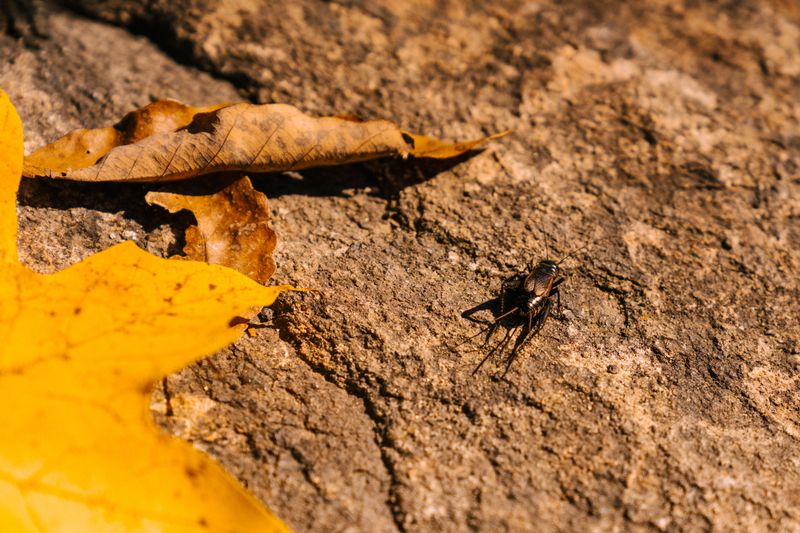
Image Credit: © Marta Wave / Pexels
Anyone who has lived in Texas for a few years knows the sound. Late summer rolls into fall, and suddenly crickets are chirping from every corner of the garage. Some years, they show up by the thousands.
Field crickets swarm Texas towns when the weather shifts. They pile up near bright lights, slip under doors, and hop into garages and laundry rooms.
For a brown recluse, that is like finding an all-you-can-eat buffet right outside its hiding spot.
Crickets are one of the favorite meals for recluses. These spiders do not spin big webs to catch food. Instead, they hunt at night, wandering around in search of soft-bodied insects.
When crickets are everywhere, recluses have plenty to eat, and their numbers can grow fast.
So how do you cut off the food supply? Start with your outdoor lights. Crickets are drawn to bright white bulbs, so try switching to yellow bug lights. You can also turn off porch and garage lights when you do not need them.
Next, sweep up crickets often. Recluses will even eat insects, so a pile of them in the corner is still a free meal. A shop vacuum makes this job quick and easy.
Sticky traps are another helpful tool. Place them along garage walls, behind water heaters, and near doors. They catch crickets, and they can catch recluses too. Checking the traps also tells you if you have a spider problem.
Fun fact: a brown recluse can go months without eating. That means cutting food alone will not solve everything. However, fewer crickets does mean a less welcoming home for these spiders, and that is a great first step.

Image Credit: © https://kaboompics.com/ / Pexels
Cardboard boxes are cheap, handy, and easy to find. Brown recluses think so too, but for very different reasons. To a recluse, a stack of boxes in the garage is prime real estate.
The folds, flaps, and gaps in cardboard create dark little pockets. Recluses love tight, quiet places where they can rest during the day.
Even better for them, cardboard is rough and easy to grip. Some experts also believe the glue in boxes may draw insects that recluses eat.
Many Texas families keep boxes in garages, closets, and attics for years. Those boxes rarely get moved. Over time, a few spiders can turn into a whole crowd living between your old tax papers and kids’ toys.
Here is a simple fix. Swap cardboard for plastic storage bins with tight-fitting lids. Clear bins are even better, since you can see what is inside without opening them.
Recluses have a hard time climbing smooth plastic, and a sealed lid keeps them from getting in.
When you make the switch, wear thick gloves. Move the old boxes outside before you empty them. Shake each item and look it over before placing it in a new bin.
It also helps to keep bins off the floor. Metal shelves give spiders fewer hiding spots than stacks resting on concrete. Leave a few inches between shelves and walls so you can clean behind them.
Do you have to throw out every box? Not always. If you must use cardboard, tape every seam shut and check the boxes often. Still, plastic is the smarter long-term choice for keeping your storage spider-free.
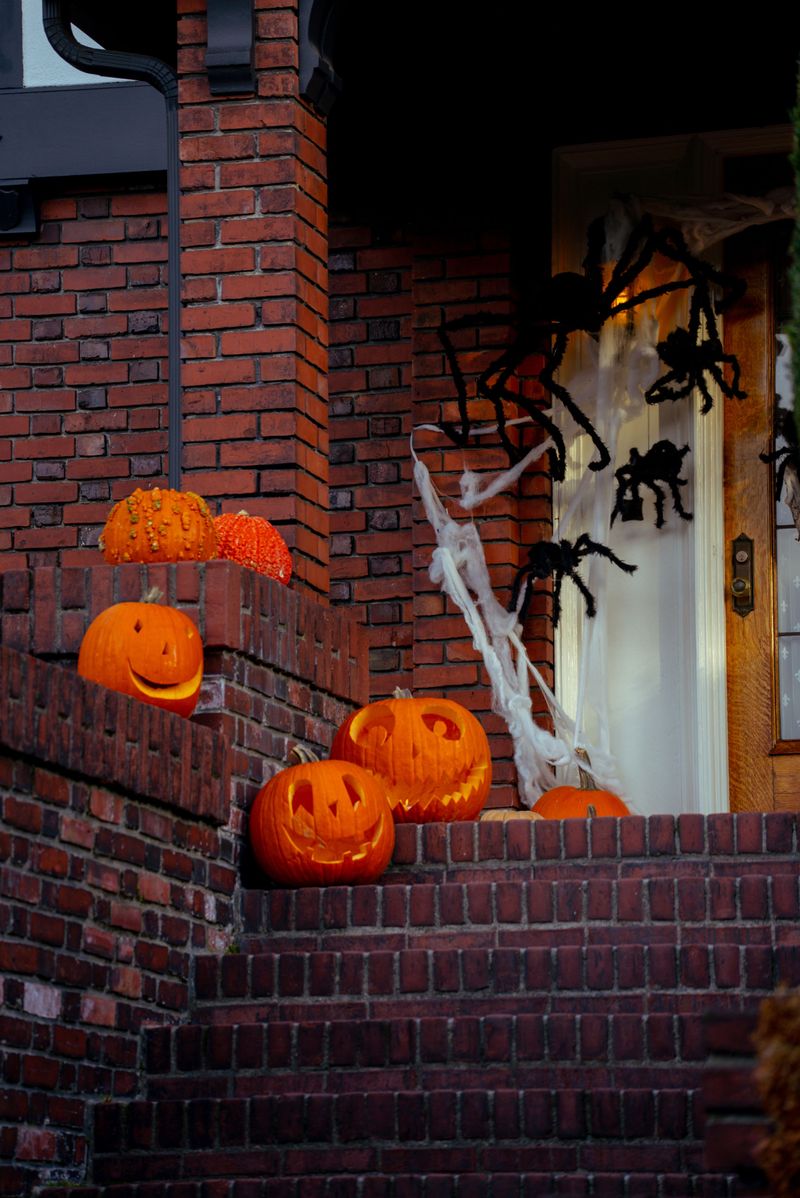
Image Credit: © Maksim Romashkin / Pexels
Every October, my neighbor climbs into her attic for the plastic pumpkins and spooky skeletons. One year, she found more than decorations. A brown recluse was tucked inside a folded witch costume, waiting quietly.
Stories like that are common in Texas. Fall is when families pull out Halloween, Thanksgiving, and Christmas items. These things often sit untouched for eleven months in attics and garages, which are favorite recluse hangouts.
Fake wreaths, garlands, and fabric decorations have lots of layers and folds. Spiders crawl inside and settle in. When you carry those items into your living room, you might be carrying a spider right along with them.
A few careful habits can protect your family. First, always wear gloves when you open storage boxes. Thick garden or work gloves are best. Many bites happen when someone reaches into a dark box with bare hands.
Second, unpack outdoors or in the garage when you can. Shake out each decoration firmly before taking it inside. Pay extra attention to costumes, tablecloths, and stuffed figures.
Third, use a flashlight. Shine it into the corners of boxes and inside hollow decorations. Recluses are shy, so they often freeze when disturbed. That gives you time to spot them.
When the season ends, pack decorations back up the smart way. Use sealed plastic tubs instead of cardboard. Wrap delicate items in plastic bags and tie them shut.
Did you know? Brown recluses can live up to two years or more. So a spider that hid in your decorations last year could still be there this fall. A little caution now keeps holiday fun from turning into a scary surprise.
© ClearDefense Pest Control
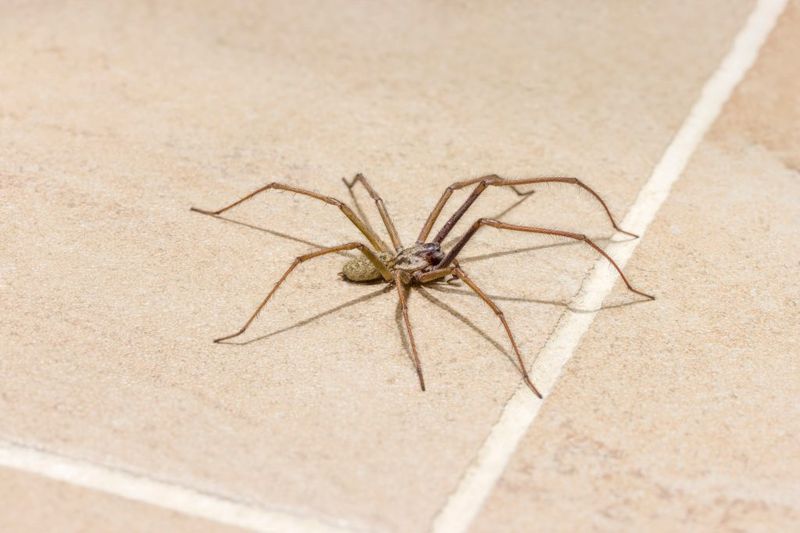
Think about the quietest room in your house. Maybe it is a guest bedroom or the closet under the stairs. Chances are, if a brown recluse lives in your home, that is exactly where it would choose to be.
The name says it all. Recluses are loners who avoid busy areas. They look for dark, calm spots where nothing moves for weeks. Clutter makes those spots even better because it adds hundreds of hiding places.
Piles of bags, stacks of old magazines, and shoes heaped in a corner are all perfect cover. Spaces behind dressers, under beds, and inside storage closets also rank high on their list. In fall, as spiders move indoors, these areas fill up fast.
Cleaning is your best weapon here. Start by clearing the floors. Donate clothes you no longer wear and recycle old papers. The less stuff on the floor, the fewer places a spider can hide.
Next, vacuum often, and do not skip the edges. Run the vacuum along baseboards, under furniture, and in closet corners.
Vacuuming removes spiders, eggs, and the webs they use as retreats. Empty the bag or canister outside right away.
Move furniture away from walls every few weeks. A quick sweep behind a couch or bookshelf can make a big difference. Use a flashlight to check dark corners while you work.
Guest rooms deserve special care. Before visitors arrive, pull back the sheets and check the bed. Look under it, too. Nobody wants a guest to meet a recluse at bedtime.
Keeping things tidy may not sound exciting. Still, regular cleaning is one of the most powerful ways to make your home less inviting to these sneaky spiders.
© Cottage Life
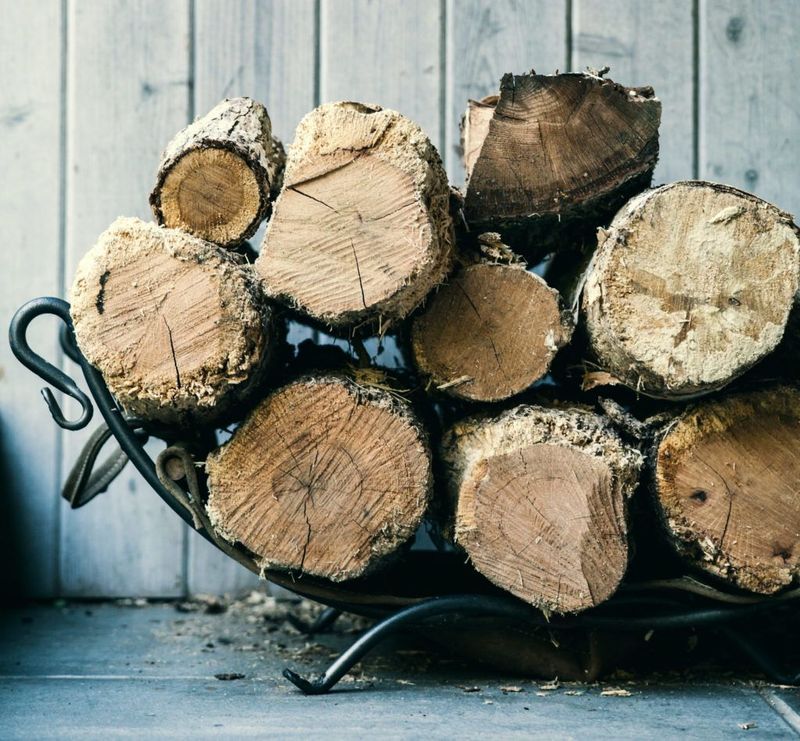
Nothing beats a crackling fire on a chilly Texas evening. When those first cold fronts roll through, many people head straight for the woodpile. But that cozy stack of logs might hold a few unwanted passengers.
Firewood piles are full of cracks, loose bark, and dark gaps. Brown recluses, along with the insects they eat, love to hide there. Wood that sits stacked in a garage or against the house can become a spider hotel by the time fall arrives.
The trouble starts when you carry an armload of logs inside. Spiders tucked in the bark can hitch a ride right into your living room. Once indoors and warm, they may scurry off to find a new hiding spot.
Luckily, a few smart habits can help. Store firewood outdoors, at least 20 feet from your home if possible. Keep it raised off the ground on a metal rack. This lets air move through and makes the pile less appealing to bugs.
Only bring in what you plan to burn within a day or two. A big pile next to the fireplace gives spiders time to wake up and wander off.
Always wear gloves when picking up wood. Knock each log against the ground or tap it firmly before carrying it in. Look for webs or spiders in the cracks.
Avoid spraying bug spray on firewood. Burning treated wood can release harmful fumes into your home.
Fun fact: brown recluses are not big fans of moisture. That is why dry, stacked wood suits them so well. Keeping a clean, organized woodpile helps you enjoy your fires without any creepy surprises.
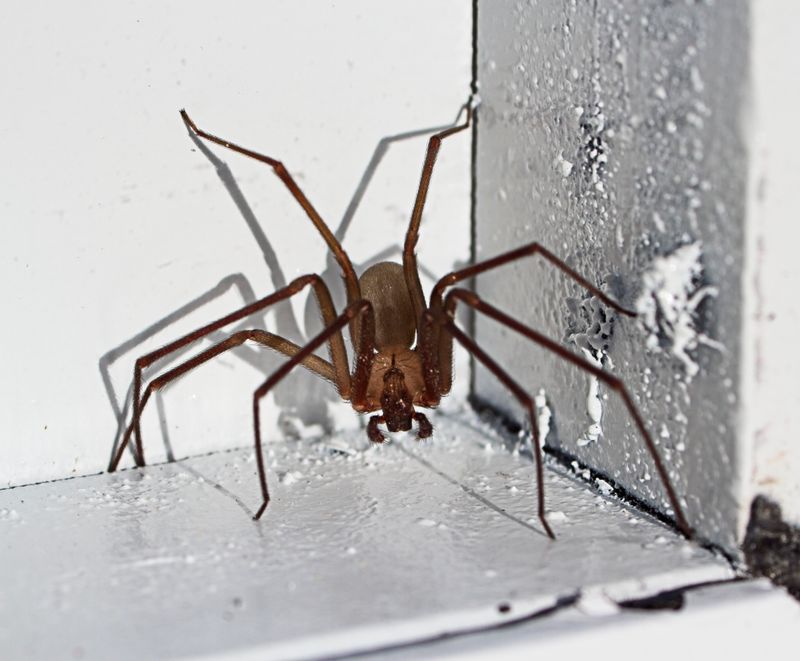
© Live Science
A brown recluse can squeeze through a crack about as thin as a credit card. That is a little scary when you think about it. Small openings around your home work like secret doors for spiders and the bugs they hunt.
Texas homes face lots of heat, sun, and shifting soil. Over time, caulk dries out, weather stripping wears down, and foundations crack. These tiny gaps may seem harmless, but they let pests move from the yard or garage right into your house.
Fall makes the problem worse. As nights cool off, insects search for warm shelter, and spiders follow their food. Any gap becomes an easy path inside.
So grab a flashlight and take a walk around your home. Check where pipes and wires enter the walls. Look along window frames and the bottom edges of doors. Pay close attention to the door between your garage and house.
Sealing these spots is a simple weekend project. Use silicone caulk for small cracks around windows and trim. Expanding foam works well for bigger holes around pipes. Replace worn weather stripping so doors close tightly.
Door sweeps are a must. These rubber or brush strips attach to the bottom of doors and block the gap underneath. If you can see daylight under a closed door, a spider can get through.
Do not forget screens. Patch any rips in window screens, and cover attic and foundation vents with fine mesh.
Sealing gaps will not stop every spider. However, it closes many of the easy routes. Think of it as locking the doors against tiny trespassers before they make themselves at home.
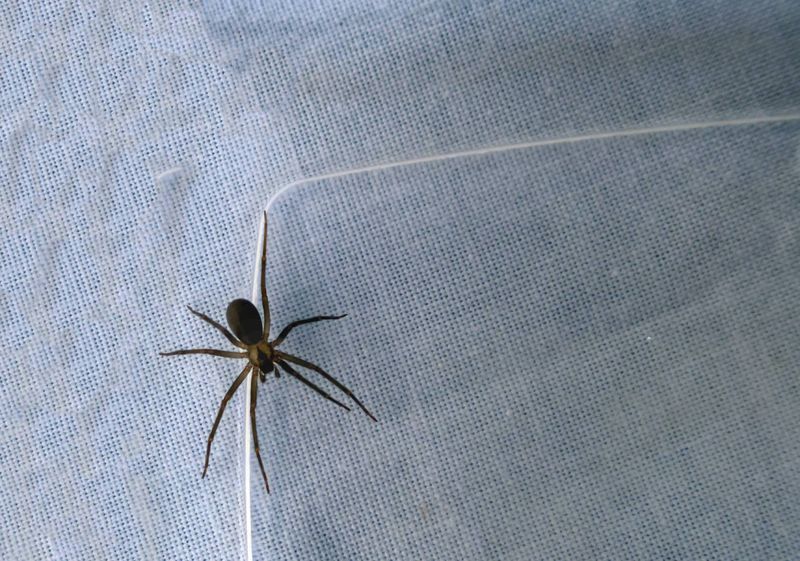
© Mother Earth News
Most brown recluse bites have something in common. They happen when someone pulls on a shirt, slips into a shoe, or rolls over in bed. The spider was not attacking. It simply got squished and defended itself.
Recluses love soft, dark hiding places close to the floor. A pile of jeans, a pair of sneakers, or a blanket hanging off the bed all look like perfect shelters. During fall, when more spiders wander indoors, these items become even riskier.
Kids and teens are especially likely to leave clothes lying around. That makes bedrooms a common spot for bites. A few easy habits can lower the risk for everyone in the family.
Start by keeping clothes off the floor. Hang them up, fold them into drawers, or toss them in a hamper with a lid. Dirty laundry should not sit in a heap for days.
Shoes need attention too. Store them on a rack or in a closed bin. Before putting them on, give each shoe a good shake. Boots and shoes left in garages or porches deserve an extra careful check.
Beds can be a hidden problem. Tuck sheets and blankets so they do not touch the floor. Skip long bed skirts in rooms where you have seen spiders. Some people even move beds a few inches away from the wall.
Did you know? Brown recluses are not aggressive at all. Many families in Texas live with them for years without a single bite.
Simple routines keep it that way. Shake, check, and tidy up, and you will sleep a whole lot easier this fall.
The post Things That Attract Brown Recluse Spiders To Texas Homes In Fall appeared first on Positivebloom.
Boxes that haven’t been touched since last winter come down from the shelves, lids pop open, and hands reach inside without a second thought. That’s exactly the kind of spot a brown recluse loves.
As temperatures drop, these shy spiders look for quiet, sheltered places indoors. Cardboard boxes, cluttered closets, stacks of clothes, and rarely used storage areas make ideal hideouts.
They can go months without food, so once they settle in, they may stay put for a long time. Most bites happen when someone accidentally presses against one while reaching into a box or slipping on a shoe.
Certain conditions make some homes far more inviting than others. A few simple changes can make your house a lot less appealing this fall.
1. Fall Cricket Invasions
Image Credit: © Marta Wave / Pexels
Anyone who has lived in Texas for a few years knows the sound. Late summer rolls into fall, and suddenly crickets are chirping from every corner of the garage. Some years, they show up by the thousands.
Field crickets swarm Texas towns when the weather shifts. They pile up near bright lights, slip under doors, and hop into garages and laundry rooms.
For a brown recluse, that is like finding an all-you-can-eat buffet right outside its hiding spot.
Crickets are one of the favorite meals for recluses. These spiders do not spin big webs to catch food. Instead, they hunt at night, wandering around in search of soft-bodied insects.
When crickets are everywhere, recluses have plenty to eat, and their numbers can grow fast.
So how do you cut off the food supply? Start with your outdoor lights. Crickets are drawn to bright white bulbs, so try switching to yellow bug lights. You can also turn off porch and garage lights when you do not need them.
Next, sweep up crickets often. Recluses will even eat insects, so a pile of them in the corner is still a free meal. A shop vacuum makes this job quick and easy.
Sticky traps are another helpful tool. Place them along garage walls, behind water heaters, and near doors. They catch crickets, and they can catch recluses too. Checking the traps also tells you if you have a spider problem.
Fun fact: a brown recluse can go months without eating. That means cutting food alone will not solve everything. However, fewer crickets does mean a less welcoming home for these spiders, and that is a great first step.
2. Cardboard Storage Boxes
Image Credit: © https://kaboompics.com/ / Pexels
Cardboard boxes are cheap, handy, and easy to find. Brown recluses think so too, but for very different reasons. To a recluse, a stack of boxes in the garage is prime real estate.
The folds, flaps, and gaps in cardboard create dark little pockets. Recluses love tight, quiet places where they can rest during the day.
Even better for them, cardboard is rough and easy to grip. Some experts also believe the glue in boxes may draw insects that recluses eat.
Many Texas families keep boxes in garages, closets, and attics for years. Those boxes rarely get moved. Over time, a few spiders can turn into a whole crowd living between your old tax papers and kids’ toys.
Here is a simple fix. Swap cardboard for plastic storage bins with tight-fitting lids. Clear bins are even better, since you can see what is inside without opening them.
Recluses have a hard time climbing smooth plastic, and a sealed lid keeps them from getting in.
When you make the switch, wear thick gloves. Move the old boxes outside before you empty them. Shake each item and look it over before placing it in a new bin.
It also helps to keep bins off the floor. Metal shelves give spiders fewer hiding spots than stacks resting on concrete. Leave a few inches between shelves and walls so you can clean behind them.
Do you have to throw out every box? Not always. If you must use cardboard, tape every seam shut and check the boxes often. Still, plastic is the smarter long-term choice for keeping your storage spider-free.
3. Holiday Decorations Brought Out Of Storage
Image Credit: © Maksim Romashkin / Pexels
Every October, my neighbor climbs into her attic for the plastic pumpkins and spooky skeletons. One year, she found more than decorations. A brown recluse was tucked inside a folded witch costume, waiting quietly.
Stories like that are common in Texas. Fall is when families pull out Halloween, Thanksgiving, and Christmas items. These things often sit untouched for eleven months in attics and garages, which are favorite recluse hangouts.
Fake wreaths, garlands, and fabric decorations have lots of layers and folds. Spiders crawl inside and settle in. When you carry those items into your living room, you might be carrying a spider right along with them.
A few careful habits can protect your family. First, always wear gloves when you open storage boxes. Thick garden or work gloves are best. Many bites happen when someone reaches into a dark box with bare hands.
Second, unpack outdoors or in the garage when you can. Shake out each decoration firmly before taking it inside. Pay extra attention to costumes, tablecloths, and stuffed figures.
Third, use a flashlight. Shine it into the corners of boxes and inside hollow decorations. Recluses are shy, so they often freeze when disturbed. That gives you time to spot them.
When the season ends, pack decorations back up the smart way. Use sealed plastic tubs instead of cardboard. Wrap delicate items in plastic bags and tie them shut.
Did you know? Brown recluses can live up to two years or more. So a spider that hid in your decorations last year could still be there this fall. A little caution now keeps holiday fun from turning into a scary surprise.
4. Cluttered Closets And Unused Rooms
© ClearDefense Pest Control
Think about the quietest room in your house. Maybe it is a guest bedroom or the closet under the stairs. Chances are, if a brown recluse lives in your home, that is exactly where it would choose to be.
The name says it all. Recluses are loners who avoid busy areas. They look for dark, calm spots where nothing moves for weeks. Clutter makes those spots even better because it adds hundreds of hiding places.
Piles of bags, stacks of old magazines, and shoes heaped in a corner are all perfect cover. Spaces behind dressers, under beds, and inside storage closets also rank high on their list. In fall, as spiders move indoors, these areas fill up fast.
Cleaning is your best weapon here. Start by clearing the floors. Donate clothes you no longer wear and recycle old papers. The less stuff on the floor, the fewer places a spider can hide.
Next, vacuum often, and do not skip the edges. Run the vacuum along baseboards, under furniture, and in closet corners.
Vacuuming removes spiders, eggs, and the webs they use as retreats. Empty the bag or canister outside right away.
Move furniture away from walls every few weeks. A quick sweep behind a couch or bookshelf can make a big difference. Use a flashlight to check dark corners while you work.
Guest rooms deserve special care. Before visitors arrive, pull back the sheets and check the bed. Look under it, too. Nobody wants a guest to meet a recluse at bedtime.
Keeping things tidy may not sound exciting. Still, regular cleaning is one of the most powerful ways to make your home less inviting to these sneaky spiders.
5. Firewood Brought Indoors
© Cottage Life
Nothing beats a crackling fire on a chilly Texas evening. When those first cold fronts roll through, many people head straight for the woodpile. But that cozy stack of logs might hold a few unwanted passengers.
Firewood piles are full of cracks, loose bark, and dark gaps. Brown recluses, along with the insects they eat, love to hide there. Wood that sits stacked in a garage or against the house can become a spider hotel by the time fall arrives.
The trouble starts when you carry an armload of logs inside. Spiders tucked in the bark can hitch a ride right into your living room. Once indoors and warm, they may scurry off to find a new hiding spot.
Luckily, a few smart habits can help. Store firewood outdoors, at least 20 feet from your home if possible. Keep it raised off the ground on a metal rack. This lets air move through and makes the pile less appealing to bugs.
Only bring in what you plan to burn within a day or two. A big pile next to the fireplace gives spiders time to wake up and wander off.
Always wear gloves when picking up wood. Knock each log against the ground or tap it firmly before carrying it in. Look for webs or spiders in the cracks.
Avoid spraying bug spray on firewood. Burning treated wood can release harmful fumes into your home.
Fun fact: brown recluses are not big fans of moisture. That is why dry, stacked wood suits them so well. Keeping a clean, organized woodpile helps you enjoy your fires without any creepy surprises.
6. Gaps Around Doors, Windows, And Foundations
© Live Science
A brown recluse can squeeze through a crack about as thin as a credit card. That is a little scary when you think about it. Small openings around your home work like secret doors for spiders and the bugs they hunt.
Texas homes face lots of heat, sun, and shifting soil. Over time, caulk dries out, weather stripping wears down, and foundations crack. These tiny gaps may seem harmless, but they let pests move from the yard or garage right into your house.
Fall makes the problem worse. As nights cool off, insects search for warm shelter, and spiders follow their food. Any gap becomes an easy path inside.
So grab a flashlight and take a walk around your home. Check where pipes and wires enter the walls. Look along window frames and the bottom edges of doors. Pay close attention to the door between your garage and house.
Sealing these spots is a simple weekend project. Use silicone caulk for small cracks around windows and trim. Expanding foam works well for bigger holes around pipes. Replace worn weather stripping so doors close tightly.
Door sweeps are a must. These rubber or brush strips attach to the bottom of doors and block the gap underneath. If you can see daylight under a closed door, a spider can get through.
Do not forget screens. Patch any rips in window screens, and cover attic and foundation vents with fine mesh.
Sealing gaps will not stop every spider. However, it closes many of the easy routes. Think of it as locking the doors against tiny trespassers before they make themselves at home.
7. Clothes, Shoes, And Bedding Left On The Floor
© Mother Earth News
Most brown recluse bites have something in common. They happen when someone pulls on a shirt, slips into a shoe, or rolls over in bed. The spider was not attacking. It simply got squished and defended itself.
Recluses love soft, dark hiding places close to the floor. A pile of jeans, a pair of sneakers, or a blanket hanging off the bed all look like perfect shelters. During fall, when more spiders wander indoors, these items become even riskier.
Kids and teens are especially likely to leave clothes lying around. That makes bedrooms a common spot for bites. A few easy habits can lower the risk for everyone in the family.
Start by keeping clothes off the floor. Hang them up, fold them into drawers, or toss them in a hamper with a lid. Dirty laundry should not sit in a heap for days.
Shoes need attention too. Store them on a rack or in a closed bin. Before putting them on, give each shoe a good shake. Boots and shoes left in garages or porches deserve an extra careful check.
Beds can be a hidden problem. Tuck sheets and blankets so they do not touch the floor. Skip long bed skirts in rooms where you have seen spiders. Some people even move beds a few inches away from the wall.
Did you know? Brown recluses are not aggressive at all. Many families in Texas live with them for years without a single bite.
Simple routines keep it that way. Shake, check, and tidy up, and you will sleep a whole lot easier this fall.
The post Things That Attract Brown Recluse Spiders To Texas Homes In Fall appeared first on Positivebloom.