A
Ava Monroe
Guest
- Thread Author
- #1
Somewhere in a shady forest, a pale white plant is rising from the dirt like a tiny ghost. A few steps away, a cluster of berries seems to stare right back at you.
Spooky plants aren’t just for horror movies. Plenty of them grow wild across New York, hiding in plain sight on trails and in backyard woods.
Some glow pale in the gloom, while others ooze red sap or even make their own heat. A few carry a dark past that once made people very sick.
Spotting them turns an ordinary hike into a real-life treasure hunt. It also helps you stay safe, since several are seriously poisonous.
Some of the eeriest natives are waiting to be discovered this fall. Look closely, admire from a distance, and never take a taste.
© Reddit
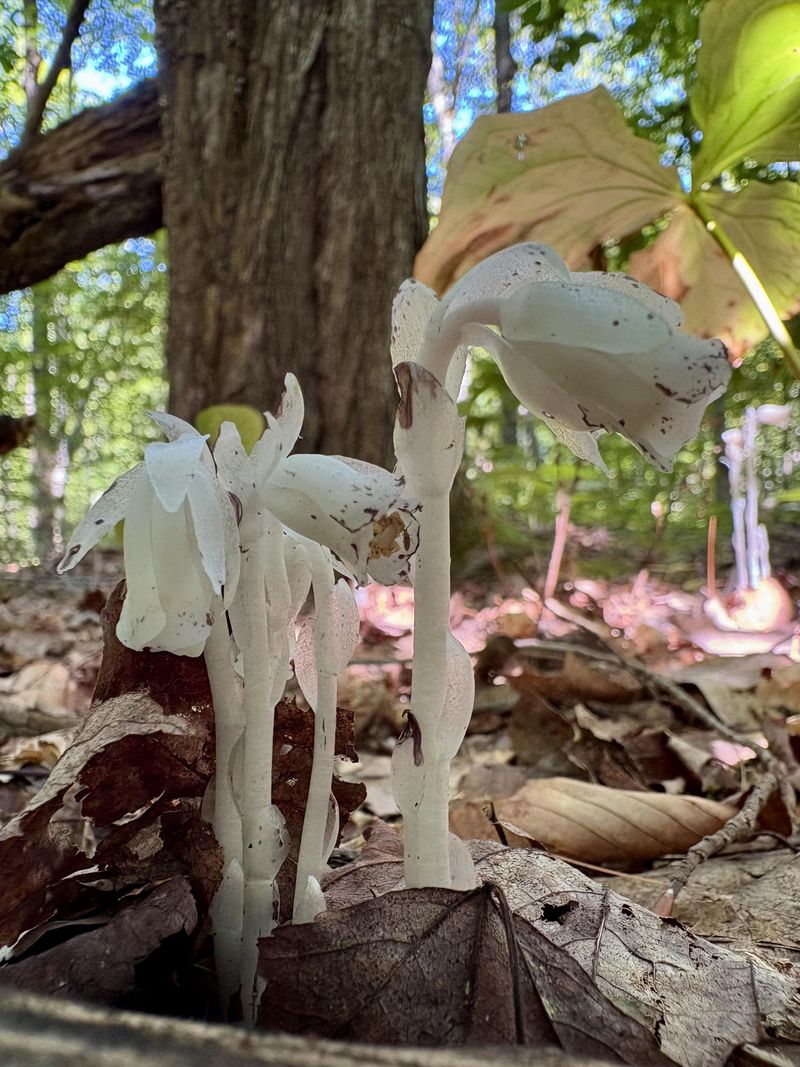
Picture a hike in the Adirondacks when something pale catches your eye. A cluster of waxy white stems pokes up through dark leaves, glowing like little ghosts.
Meet Indian Pipe, known to scientists as Monotropa uniflora. People also call it ghost plant, corpse plant, or ghost flower.
Most plants are green because they contain chlorophyll. Indian Pipe has none, so it cannot make food from sunlight.
Instead, it plays a sneaky trick underground. It taps into fungi that are already connected to tree roots and steals nutrients from them.
Because it skips sunlight, it can grow in very dark corners of the forest. Moist, shaded woods make the perfect hideout.
Its single flower droops downward at first, like a bowed head. After pollination, the flower slowly straightens and points toward the sky.
Here is a fun detail for photographers. Older plants often turn pink, then black, as the season goes on.
Look for Indian Pipe from early summer through early fall. Rainy weeks usually bring the best sightings, especially near oak, beech, and pine trees.
Please resist the urge to pick it. Plucked stems turn black quickly, and the plant depends on a fragile underground partnership.
Bring a camera instead and get low to the ground. Shooting from below makes those ghostly stems look even more dramatic.
Once you spot your first patch, you will start noticing them everywhere. Many hikers say it feels like discovering a secret the forest was keeping.
© adirondacksforeverwild
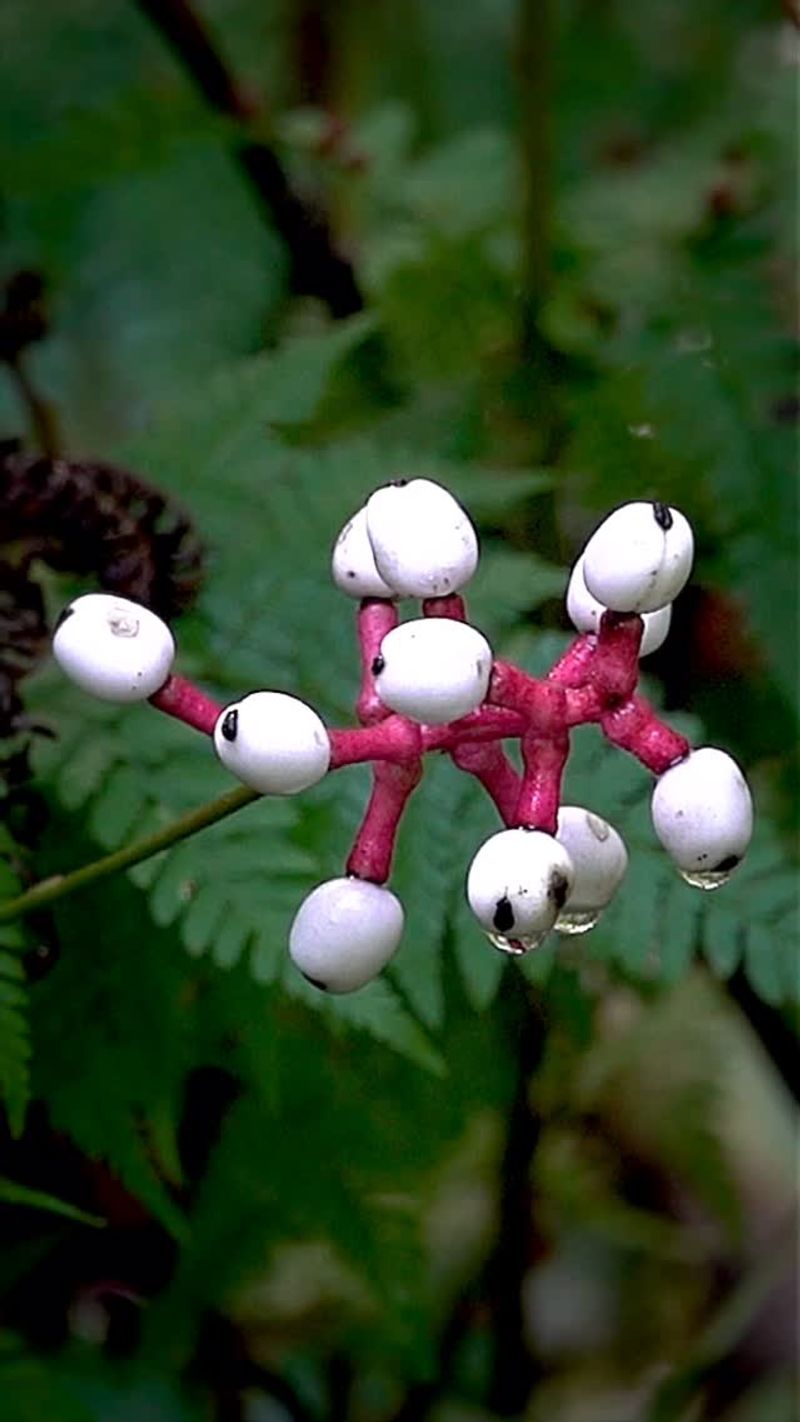
Few plants feel as watchful as this one. Walk through a shady woodland in late summer, and a dozen tiny eyeballs might seem to follow you.
Those eyes belong to Doll’s Eyes, also called white baneberry. Its scientific name is Actaea pachypoda.
Each round white berry has a single black dot on the end. That dot is a leftover scar from the flower, but it looks just like a pupil.
The creepy effect gets stronger thanks to the stems. Thick, bright red stalks hold each berry, almost like tiny blood vessels.
Doll’s Eyes grows in hardwood and mixed forests throughout eastern North America. New York woods offer plenty of its favorite rich, shady soil.
In spring, the plant looks pretty ordinary. Small fluffy white flowers bloom in clusters before the spooky berries show up.
Here comes the serious part. Every piece of this plant is poisonous to people, especially the berries and roots.
Eating them can burn the mouth and throat and cause painful stomach cramps. Some people have also felt dizzy or even seen hallucinations.
Birds can eat the berries without trouble, which helps spread the seeds. Humans, however, should stick to looking.
Parents, teach kids early that white berries with black dots are off limits. A simple rule like no wild berries without an adult works well.
Snap a photo in August or September, when the berries look their eeriest. Your friends will probably think you edited the picture.
© Michael Stephen Wills Photography
Back in 1818, a mysterious illness swept through frontier families. One of the people it claimed was Nancy Hanks Lincoln, the mother of Abraham Lincoln.
Settlers called the sickness milk sickness. For years, nobody could figure out where it was coming from.
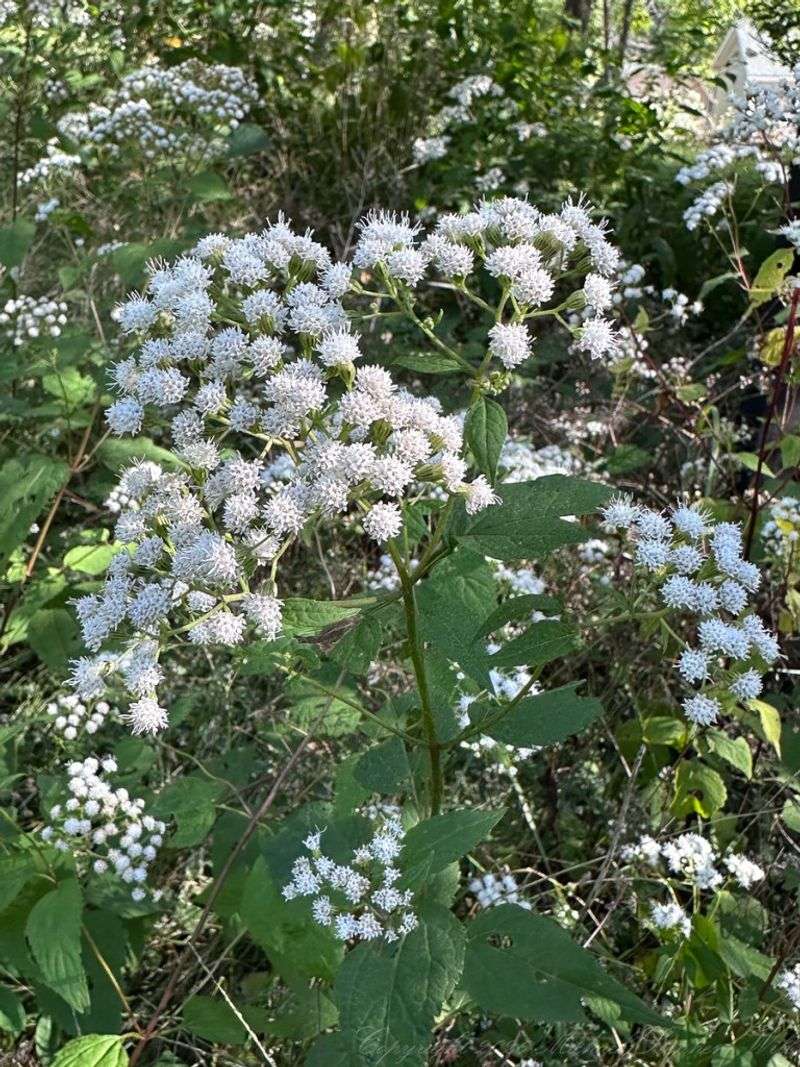
The culprit turned out to be a plain-looking plant called White Snakeroot. Its scientific name is Ageratina altissima.
Cows grazing in the woods would munch on it. The plant contains a toxin called tremetol, which passed into their milk and meat.
People who drank that milk got very sick. Symptoms included weakness, trembling, and stomach pain, and many folks did not survive.
Today, the danger is much lower. Modern farms feed cattle carefully, so milk sickness is now extremely rare.
White Snakeroot still grows all over New York and the eastern United States. You can find it along forest edges, shady trails, and even backyard borders.
It blooms in late summer and fall. Look for fuzzy clusters of tiny white flowers on stems about two to four feet tall.
Horses, goats, and sheep can still be harmed by it. If you keep animals, check your pasture and pull any plants you find.
Gloves are a smart idea while weeding. The plant is not a big skin threat, but careful habits are good habits.
Next time you pass it on a trail, think about its history. Such a quiet plant once shaped the life of a future president.
© Todd Marsh Photography
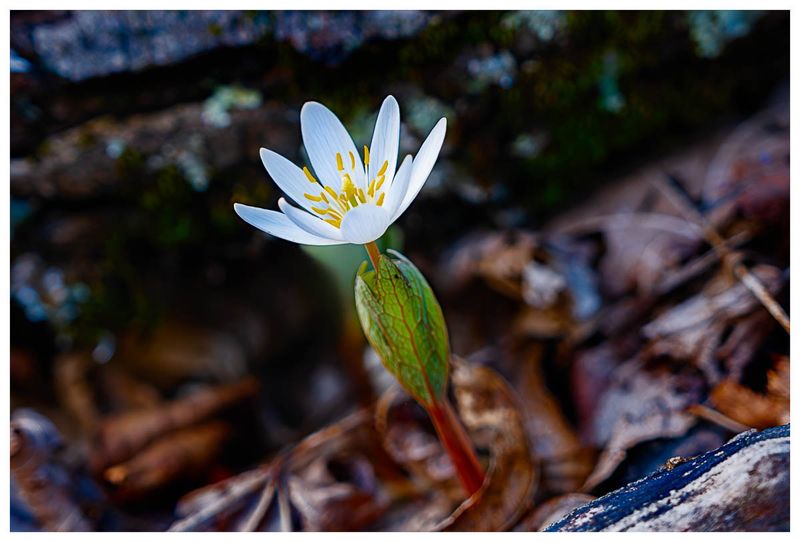
Snap the root of this pretty flower, and you might gasp. A thick, reddish-orange liquid oozes out like the plant is bleeding.
Meet Bloodroot, or Sanguinaria canadensis. Its name comes from that dramatic sap hiding in the stem and root.
Above ground, though, it looks sweet and innocent. Bright white petals, usually eight to ten of them, surround a golden center.
Bloodroot is one of the first wildflowers to bloom in spring. Watch for it in quiet woodlands from late March into April.
Its single leaf has a clever job. It wraps around the flower bud like a cozy blanket as the plant pushes up through cold soil.
The blossoms do not last long. Many open for only a day or two, so timing your walk matters.
Flowers also close up at night and on cloudy days. Sunny afternoons give you the best chance to see them fully open.
Indigenous communities found smart uses for that red sap. They used it as dye for clothing, baskets, and ceremonial face paint.
Even so, the sap is toxic to swallow and can irritate skin. Please admire it without breaking stems or digging up roots.
Gardeners can buy nursery-grown Bloodroot for shady beds. Never take plants from the wild, since undisturbed patches grow slowly.
Fun fact: ants help plant Bloodroot. They carry its seeds underground to eat a tasty attachment, leaving the seed behind to sprout.
© Reddit
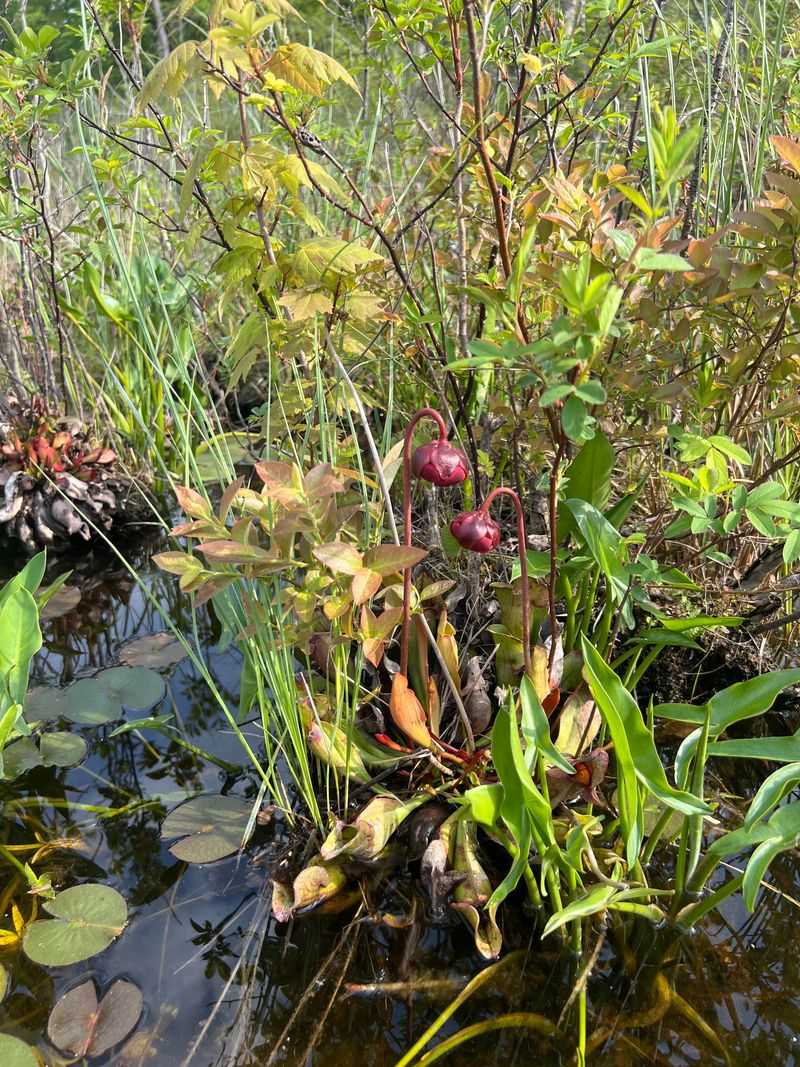
Plants are supposed to be the food, right? In a few soggy corners of New York, the plants are doing the eating.
The purple pitcher plant, Sarracenia purpurea, is a real meat lover. It catches bugs and slowly turns them into a meal.
Its leaves form tall, curved cups that collect rainwater. Green skin with dark maroon veins makes each one look a little alien.
Insects get lured in by color and sweet nectar near the rim. Downward-pointing hairs make climbing out nearly impossible.
Once a bug slips into the water, it cannot escape. The plant then breaks it down with help from bacteria and tiny critters.
Why go to all this trouble? Pitcher plants live in peat bogs, where the soil holds very few nutrients.
Bugs supply the nitrogen that the soil lacks. It is a clever survival strategy for a tough neighborhood.
Summer brings another surprise. Nodding purple-red flowers rise on tall stalks, high above the trap leaves.
Want to see them? Many nature preserves in the Adirondacks and central New York have bog boardwalks.
Stay on those boardwalks, please. Bog plants are fragile, and footprints can damage them for years.
Some pitchers host mosquito larvae that live safely inside. Those larvae even help the plant digest its prey, making a tiny underwater ecosystem.
© feral_craft_studio
Most plants wait for warm weather before waking up. Eastern Skunk Cabbage is too impatient for that.
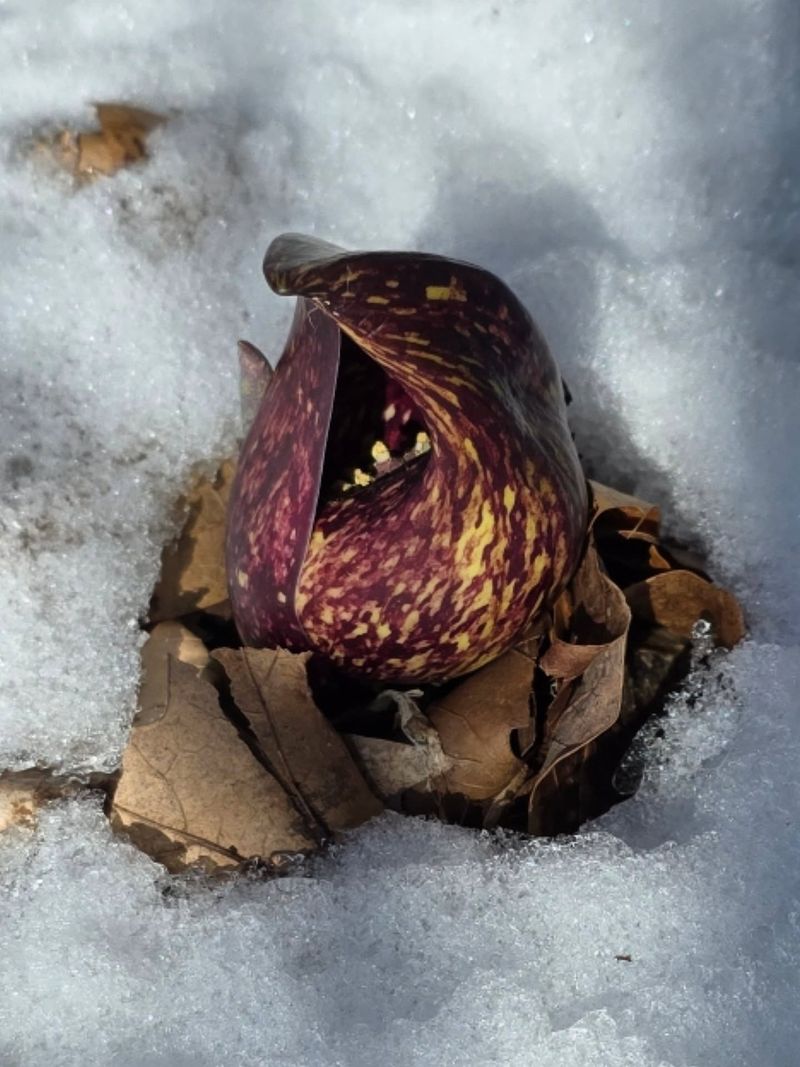
Sometimes in February, this odd plant pushes straight through snow and ice. It does so by making its own heat.
Scientists call the trick thermogenesis. The plant burns stored energy in its root, the way your body warms you up.
Inside a mottled purple hood sits a knobby spike called a spadix. That spike can stay much warmer than the frosty air around it.
Often, a little ring of melted snow forms around the plant. It almost looks like someone set down a warm mug.
Now for the smelly part. The heat helps spread a stinky odor, a lot like skunk or rotting meat.
Gross to us, sure. Early flies and beetles love it, though, and they help pollinate the flowers.
Skunk Cabbage grows in boggy wetlands all over the state. Spots near Ithaca and even parks in New York City host healthy patches.
Later in spring, huge green leaves appear and can reach two feet long. Crushing one releases that famous funky smell.
Wear waterproof boots when hunting for it. Its favorite homes are muddy streambanks and swampy hollows.
One fun experiment involves a cheap thermometer. Hold it near the hood on a cold day, and you may see the difference yourself.
© National Wildlife Foundation
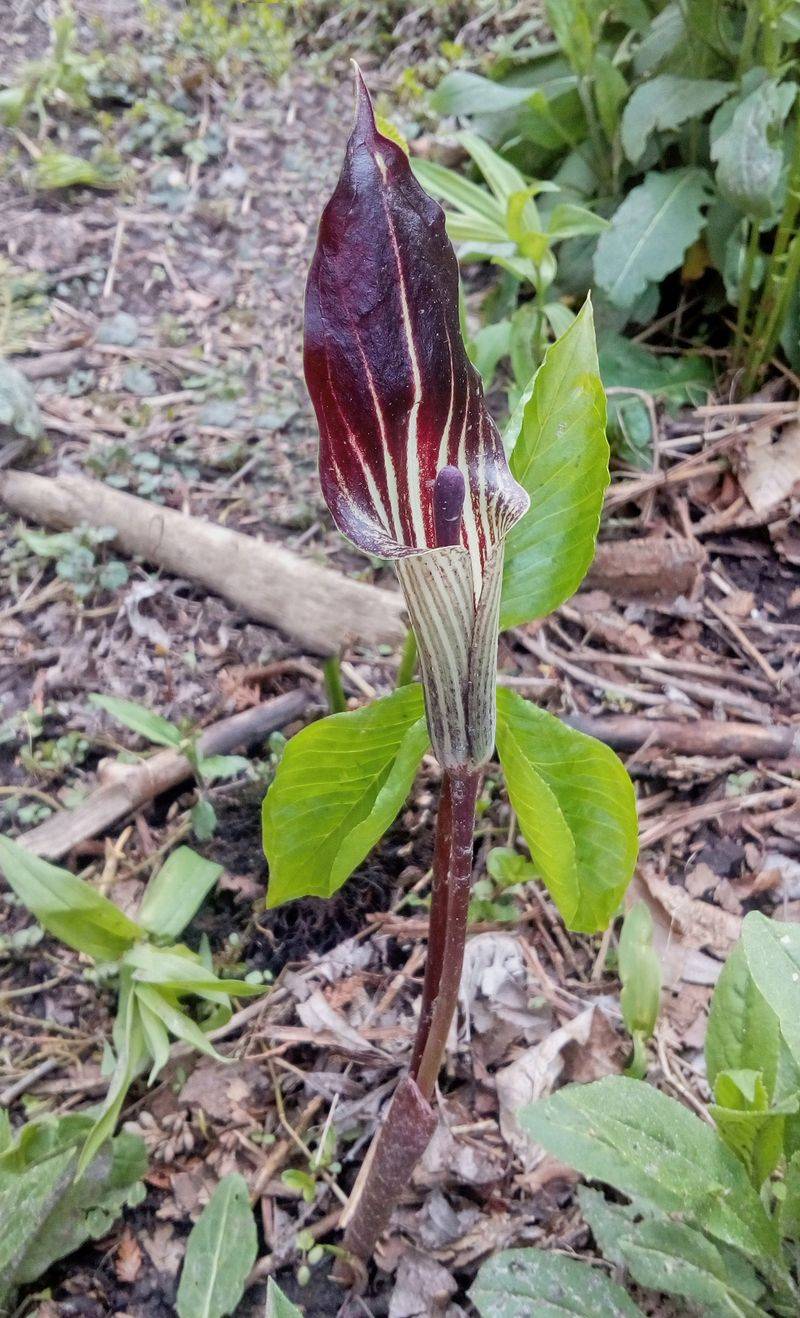
Lift the striped hood on this woodland oddball, and someone seems to be hiding inside. Old storytellers imagined a tiny preacher standing in a pulpit.
Jack-in-the-Pulpit, or Arisaema triphyllum, grows in rich, damp forests across New York. Spring is the best time to meet him.
The hood is called a spathe. Green and maroon stripes give it a candy-cane look, only far more mysterious.
Underneath stands Jack himself, a fleshy club called a spadix. Tiny flowers cluster at the bottom, out of sight.
Here is a genuinely wild secret. Jack can switch between male and female from year to year.
Small plants with fewer resources usually make male flowers. Bigger, well-fed plants often switch to female and produce seeds.
By fall, the hood withers away. A cluster of shiny bright red berries takes its place, glowing against brown leaves.
Those berries look tempting, but please keep hands away from mouths. Every part holds needle-like crystals called calcium oxalate.
Chewing even a small bite feels like swallowing pins. Mouths and throats can burn and swell painfully.
The roots are especially harsh. Simply handling them can blister sensitive skin, so gloves matter for gardeners.
Spot one by looking for three-part leaves near the ground. The hood usually tucks just below them, waiting to be discovered.
© Brooklyn Botanic Garden
November in the woods feels gray and sleepy. Leaves have fallen, birds have quieted, and then a shrub bursts into bright yellow bloom.
American Witch Hazel, Hamamelis virginiana, marches to its own calendar. It flowers from about mid-October into December.
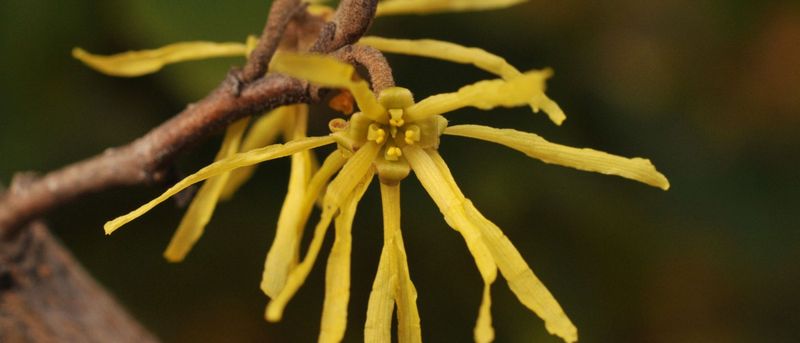
The blossoms look like tiny bundles of yellow ribbon. Each flower has four thin, crinkly petals that twist in every direction.
Against bare branches, they almost seem magical. No wonder a plant with witch in its name feels right at home near Halloween.
Actually, the name probably comes from an old English word meaning bendable. Its flexible branches were once used as divining rods to find water.
Witch Hazel grows as a large shrub or small tree. You can find it in woods across the state, including on Long Island.
Its seed pods hold a fun surprise. When ripe, they pop open and fling seeds up to thirty feet away.
Some hikers have heard the snapping sound on quiet autumn days. Listen closely if you stand near one.
Native Americans used the bark and twigs for many healing purposes. Today, witch hazel extract shows up in skin toners and soothing creams.
Gardeners love it for late-season color. It handles shade well and feeds late-flying moths when little else blooms.
Plant one near a window you use often. You will get a cheerful show just as winter starts closing in.
© Mass Audubon
A wise old saying among hikers goes like this: when in doubt, leave it out. Wild plants can be fascinating, but they are not snacks.
Many toxic plants look a lot like edible ones. Even experienced foragers sometimes make serious mistakes.
Poison hemlock is a scary example. It resembles wild carrot, yet it contains alkaloids that can be fatal in small amounts.
One clue helps tell them apart. Wild carrot has hairy stems, while poison hemlock stems are smooth with purple blotches.
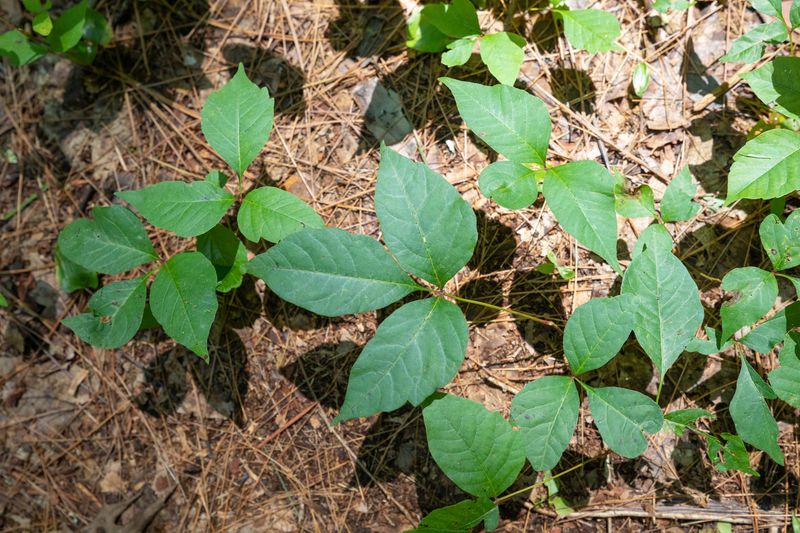
Skin can get into trouble too. Poison ivy and poison sumac both grow in New York.
Poison oak gets lumped in with them, but it mostly sticks to warmer states.
Each one carries an oily substance called urushiol. Brushing against it can cause an itchy, blistering rash lasting weeks.
Remember the rhyme: leaves of three, let it be. Long pants and closed shoes add an extra layer of protection.
Wash your skin with soap and cool water soon after a hike. Clean your gear too, since the oil sticks to boots and tools.
Kids especially love grabbing bright berries. Set clear rules before every outing so curiosity stays safe.
A plant identification app or field guide adds fun to any walk. Photos make better souvenirs than picked stems anyway.
Should someone swallow a wild plant, call Poison Control at 1-800-222-1222. Bring a sample or photo to help experts identify it.
Enjoy the eerie beauty of woods with your eyes. They hold plenty of wonder without a single bite.
The post The Creepiest Native Plants Growing In New York appeared first on Positivebloom.
Spooky plants aren’t just for horror movies. Plenty of them grow wild across New York, hiding in plain sight on trails and in backyard woods.
Some glow pale in the gloom, while others ooze red sap or even make their own heat. A few carry a dark past that once made people very sick.
Spotting them turns an ordinary hike into a real-life treasure hunt. It also helps you stay safe, since several are seriously poisonous.
Some of the eeriest natives are waiting to be discovered this fall. Look closely, admire from a distance, and never take a taste.
1. Indian Pipe Looks Like A Ghost Rising From The Forest Floor
Picture a hike in the Adirondacks when something pale catches your eye. A cluster of waxy white stems pokes up through dark leaves, glowing like little ghosts.
Meet Indian Pipe, known to scientists as Monotropa uniflora. People also call it ghost plant, corpse plant, or ghost flower.
Most plants are green because they contain chlorophyll. Indian Pipe has none, so it cannot make food from sunlight.
Instead, it plays a sneaky trick underground. It taps into fungi that are already connected to tree roots and steals nutrients from them.
Because it skips sunlight, it can grow in very dark corners of the forest. Moist, shaded woods make the perfect hideout.
Its single flower droops downward at first, like a bowed head. After pollination, the flower slowly straightens and points toward the sky.
Here is a fun detail for photographers. Older plants often turn pink, then black, as the season goes on.
Look for Indian Pipe from early summer through early fall. Rainy weeks usually bring the best sightings, especially near oak, beech, and pine trees.
Please resist the urge to pick it. Plucked stems turn black quickly, and the plant depends on a fragile underground partnership.
Bring a camera instead and get low to the ground. Shooting from below makes those ghostly stems look even more dramatic.
Once you spot your first patch, you will start noticing them everywhere. Many hikers say it feels like discovering a secret the forest was keeping.
2. Doll’s Eyes Berries Stare Back From The Shade
© adirondacksforeverwild
Few plants feel as watchful as this one. Walk through a shady woodland in late summer, and a dozen tiny eyeballs might seem to follow you.
Those eyes belong to Doll’s Eyes, also called white baneberry. Its scientific name is Actaea pachypoda.
Each round white berry has a single black dot on the end. That dot is a leftover scar from the flower, but it looks just like a pupil.
The creepy effect gets stronger thanks to the stems. Thick, bright red stalks hold each berry, almost like tiny blood vessels.
Doll’s Eyes grows in hardwood and mixed forests throughout eastern North America. New York woods offer plenty of its favorite rich, shady soil.
In spring, the plant looks pretty ordinary. Small fluffy white flowers bloom in clusters before the spooky berries show up.
Here comes the serious part. Every piece of this plant is poisonous to people, especially the berries and roots.
Eating them can burn the mouth and throat and cause painful stomach cramps. Some people have also felt dizzy or even seen hallucinations.
Birds can eat the berries without trouble, which helps spread the seeds. Humans, however, should stick to looking.
Parents, teach kids early that white berries with black dots are off limits. A simple rule like no wild berries without an adult works well.
Snap a photo in August or September, when the berries look their eeriest. Your friends will probably think you edited the picture.
3. White Snakeroot Has A Dark History
© Michael Stephen Wills Photography
Back in 1818, a mysterious illness swept through frontier families. One of the people it claimed was Nancy Hanks Lincoln, the mother of Abraham Lincoln.
Settlers called the sickness milk sickness. For years, nobody could figure out where it was coming from.
The culprit turned out to be a plain-looking plant called White Snakeroot. Its scientific name is Ageratina altissima.
Cows grazing in the woods would munch on it. The plant contains a toxin called tremetol, which passed into their milk and meat.
People who drank that milk got very sick. Symptoms included weakness, trembling, and stomach pain, and many folks did not survive.
Today, the danger is much lower. Modern farms feed cattle carefully, so milk sickness is now extremely rare.
White Snakeroot still grows all over New York and the eastern United States. You can find it along forest edges, shady trails, and even backyard borders.
It blooms in late summer and fall. Look for fuzzy clusters of tiny white flowers on stems about two to four feet tall.
Horses, goats, and sheep can still be harmed by it. If you keep animals, check your pasture and pull any plants you find.
Gloves are a smart idea while weeding. The plant is not a big skin threat, but careful habits are good habits.
Next time you pass it on a trail, think about its history. Such a quiet plant once shaped the life of a future president.
4. Bloodroot Bleeds Red When You Break It
© Todd Marsh Photography
Snap the root of this pretty flower, and you might gasp. A thick, reddish-orange liquid oozes out like the plant is bleeding.
Meet Bloodroot, or Sanguinaria canadensis. Its name comes from that dramatic sap hiding in the stem and root.
Above ground, though, it looks sweet and innocent. Bright white petals, usually eight to ten of them, surround a golden center.
Bloodroot is one of the first wildflowers to bloom in spring. Watch for it in quiet woodlands from late March into April.
Its single leaf has a clever job. It wraps around the flower bud like a cozy blanket as the plant pushes up through cold soil.
The blossoms do not last long. Many open for only a day or two, so timing your walk matters.
Flowers also close up at night and on cloudy days. Sunny afternoons give you the best chance to see them fully open.
Indigenous communities found smart uses for that red sap. They used it as dye for clothing, baskets, and ceremonial face paint.
Even so, the sap is toxic to swallow and can irritate skin. Please admire it without breaking stems or digging up roots.
Gardeners can buy nursery-grown Bloodroot for shady beds. Never take plants from the wild, since undisturbed patches grow slowly.
Fun fact: ants help plant Bloodroot. They carry its seeds underground to eat a tasty attachment, leaving the seed behind to sprout.
5. Pitcher Plants Trap And Digest Insects
Plants are supposed to be the food, right? In a few soggy corners of New York, the plants are doing the eating.
The purple pitcher plant, Sarracenia purpurea, is a real meat lover. It catches bugs and slowly turns them into a meal.
Its leaves form tall, curved cups that collect rainwater. Green skin with dark maroon veins makes each one look a little alien.
Insects get lured in by color and sweet nectar near the rim. Downward-pointing hairs make climbing out nearly impossible.
Once a bug slips into the water, it cannot escape. The plant then breaks it down with help from bacteria and tiny critters.
Why go to all this trouble? Pitcher plants live in peat bogs, where the soil holds very few nutrients.
Bugs supply the nitrogen that the soil lacks. It is a clever survival strategy for a tough neighborhood.
Summer brings another surprise. Nodding purple-red flowers rise on tall stalks, high above the trap leaves.
Want to see them? Many nature preserves in the Adirondacks and central New York have bog boardwalks.
Stay on those boardwalks, please. Bog plants are fragile, and footprints can damage them for years.
Some pitchers host mosquito larvae that live safely inside. Those larvae even help the plant digest its prey, making a tiny underwater ecosystem.
6. Skunk Cabbage Melts Its Way Through Snow
© feral_craft_studio
Most plants wait for warm weather before waking up. Eastern Skunk Cabbage is too impatient for that.
Sometimes in February, this odd plant pushes straight through snow and ice. It does so by making its own heat.
Scientists call the trick thermogenesis. The plant burns stored energy in its root, the way your body warms you up.
Inside a mottled purple hood sits a knobby spike called a spadix. That spike can stay much warmer than the frosty air around it.
Often, a little ring of melted snow forms around the plant. It almost looks like someone set down a warm mug.
Now for the smelly part. The heat helps spread a stinky odor, a lot like skunk or rotting meat.
Gross to us, sure. Early flies and beetles love it, though, and they help pollinate the flowers.
Skunk Cabbage grows in boggy wetlands all over the state. Spots near Ithaca and even parks in New York City host healthy patches.
Later in spring, huge green leaves appear and can reach two feet long. Crushing one releases that famous funky smell.
Wear waterproof boots when hunting for it. Its favorite homes are muddy streambanks and swampy hollows.
One fun experiment involves a cheap thermometer. Hold it near the hood on a cold day, and you may see the difference yourself.
7. Jack-In-The-Pulpit Hides A Secret Under Its Hood
© National Wildlife Foundation
Lift the striped hood on this woodland oddball, and someone seems to be hiding inside. Old storytellers imagined a tiny preacher standing in a pulpit.
Jack-in-the-Pulpit, or Arisaema triphyllum, grows in rich, damp forests across New York. Spring is the best time to meet him.
The hood is called a spathe. Green and maroon stripes give it a candy-cane look, only far more mysterious.
Underneath stands Jack himself, a fleshy club called a spadix. Tiny flowers cluster at the bottom, out of sight.
Here is a genuinely wild secret. Jack can switch between male and female from year to year.
Small plants with fewer resources usually make male flowers. Bigger, well-fed plants often switch to female and produce seeds.
By fall, the hood withers away. A cluster of shiny bright red berries takes its place, glowing against brown leaves.
Those berries look tempting, but please keep hands away from mouths. Every part holds needle-like crystals called calcium oxalate.
Chewing even a small bite feels like swallowing pins. Mouths and throats can burn and swell painfully.
The roots are especially harsh. Simply handling them can blister sensitive skin, so gloves matter for gardeners.
Spot one by looking for three-part leaves near the ground. The hood usually tucks just below them, waiting to be discovered.
8. Witch Hazel Blooms When Everything Else Is Fading
© Brooklyn Botanic Garden
November in the woods feels gray and sleepy. Leaves have fallen, birds have quieted, and then a shrub bursts into bright yellow bloom.
American Witch Hazel, Hamamelis virginiana, marches to its own calendar. It flowers from about mid-October into December.
The blossoms look like tiny bundles of yellow ribbon. Each flower has four thin, crinkly petals that twist in every direction.
Against bare branches, they almost seem magical. No wonder a plant with witch in its name feels right at home near Halloween.
Actually, the name probably comes from an old English word meaning bendable. Its flexible branches were once used as divining rods to find water.
Witch Hazel grows as a large shrub or small tree. You can find it in woods across the state, including on Long Island.
Its seed pods hold a fun surprise. When ripe, they pop open and fling seeds up to thirty feet away.
Some hikers have heard the snapping sound on quiet autumn days. Listen closely if you stand near one.
Native Americans used the bark and twigs for many healing purposes. Today, witch hazel extract shows up in skin toners and soothing creams.
Gardeners love it for late-season color. It handles shade well and feeds late-flying moths when little else blooms.
Plant one near a window you use often. You will get a cheerful show just as winter starts closing in.
Look, But Never Taste
© Mass Audubon
A wise old saying among hikers goes like this: when in doubt, leave it out. Wild plants can be fascinating, but they are not snacks.
Many toxic plants look a lot like edible ones. Even experienced foragers sometimes make serious mistakes.
Poison hemlock is a scary example. It resembles wild carrot, yet it contains alkaloids that can be fatal in small amounts.
One clue helps tell them apart. Wild carrot has hairy stems, while poison hemlock stems are smooth with purple blotches.
Skin can get into trouble too. Poison ivy and poison sumac both grow in New York.
Poison oak gets lumped in with them, but it mostly sticks to warmer states.
Each one carries an oily substance called urushiol. Brushing against it can cause an itchy, blistering rash lasting weeks.
Remember the rhyme: leaves of three, let it be. Long pants and closed shoes add an extra layer of protection.
Wash your skin with soap and cool water soon after a hike. Clean your gear too, since the oil sticks to boots and tools.
Kids especially love grabbing bright berries. Set clear rules before every outing so curiosity stays safe.
A plant identification app or field guide adds fun to any walk. Photos make better souvenirs than picked stems anyway.
Should someone swallow a wild plant, call Poison Control at 1-800-222-1222. Bring a sample or photo to help experts identify it.
Enjoy the eerie beauty of woods with your eyes. They hold plenty of wonder without a single bite.
The post The Creepiest Native Plants Growing In New York appeared first on Positivebloom.