N
Nicole Reed
Guest
- Thread Author
- #1
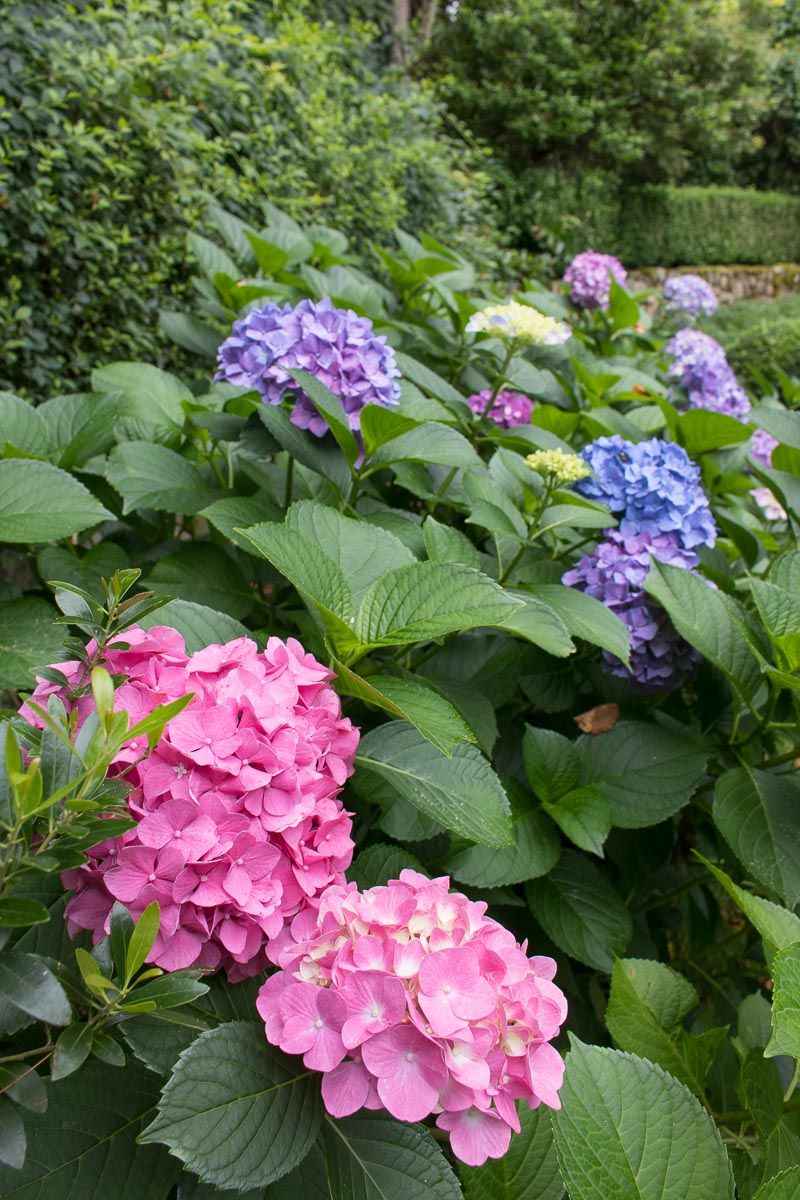
Many Texans bring home a hydrangea covered in brilliant blue flowers, plant it in the yard, and wait eagerly for next summer’s show. When the blooms finally open, they’re pink.
It’s one of the most common hydrangea surprises in the state, and it isn’t a mistake at the nursery.
Popular bigleaf hydrangeas can change color depending on the conditions they’re growing in. Much of Texas naturally nudges them toward pink, while the plants sold in stores are often grown under carefully controlled conditions that keep them blue.
Once they settle into a new home, they gradually adjust, and the color shifts with them. You can influence that outcome, though. The catch is timing.
Changes take months to show up in the flowers, which is why October is such an important month.
Handle one simple task now, and you’ll have a much better shot at the color you really want.
© Driven by Decor
Gardeners who plan ahead usually get the prettiest flowers. That is the secret behind amazing hydrangea color. The work you do in October sets the stage for the blooms you will see months from now.
Soil does not change overnight. When you add something to adjust it, the material needs time to break down and mix into the ground.
Rain, soil microbes, and cooler weather all help with that slow process. Starting in fall gives these helpers several months to do their job before spring arrives.
Think of it like marinating food before cooking. The longer it sits, the better the results. If you wait until the plant is already making buds in spring, you will likely see little or no change that year.
The flowers will simply bloom in whatever color the soil supports at that moment. October is also a comfortable time to garden in Texas. The brutal summer heat has eased up.
You can spend an afternoon outside without feeling worn out. Your hydrangeas are also slowing down, so working around them causes less stress to the plant.
Before you grab a bag of anything, decide on your goal. Do you want deeper blue blooms? Are you hoping for brighter pink ones? Knowing what you want makes every next step much easier.
Keep a simple garden notebook, too. Write down the date, what you added, and how much you used. Next summer, you can look back and see what worked.
Over a few seasons, those notes become your personal guide to growing hydrangeas just the way you like them in your corner of Texas.
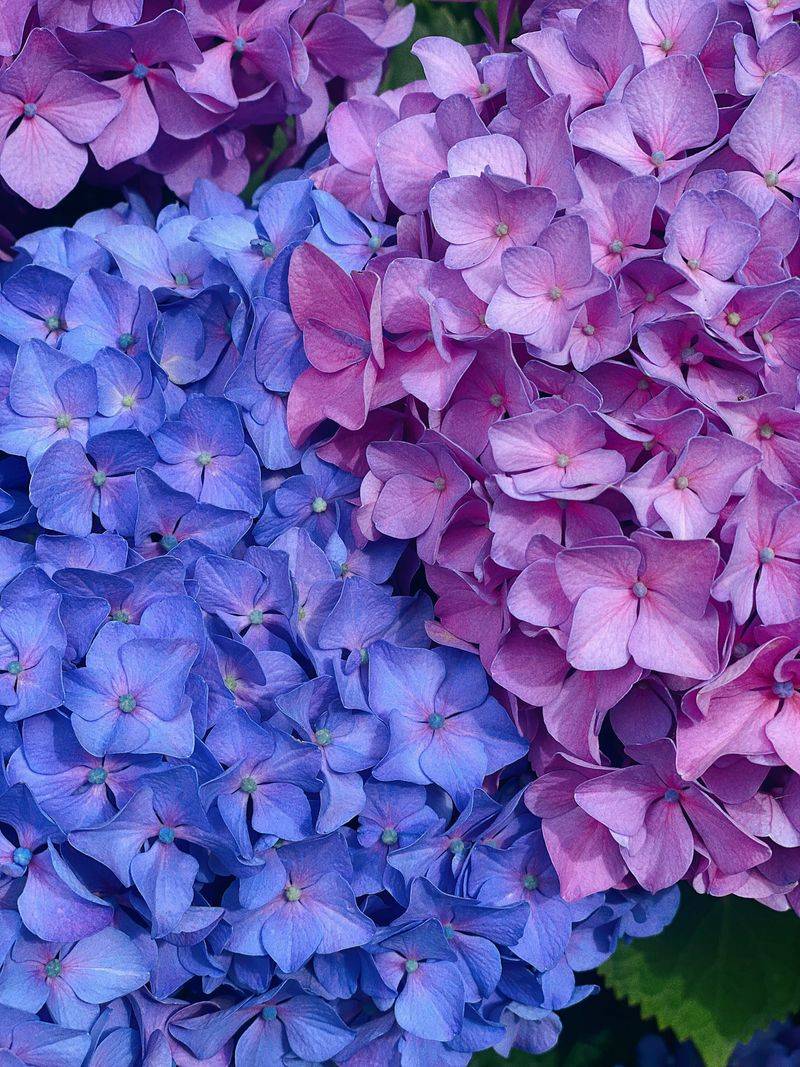
Image Credit: © Lara / Pexels
Did you know the same hydrangea plant can bloom blue one year and pink the next? It sounds like magic, but it is really simple chemistry. Once you understand it, you can start steering the color yourself.
The key player is aluminum. Bigleaf hydrangeas, the kind with big round mophead or flat lacecap flowers, react to how much aluminum they can pull from the soil.
When the plant takes in plenty of aluminum, the flowers turn blue. When it gets very little, the blooms show up pink.
So what controls the aluminum? The answer is soil pH. Soil pH measures how acidic or alkaline the ground is. Acidic soil has a low pH, usually below 6. In acidic soil, aluminum becomes easy for roots to grab, and blue flowers follow.
Alkaline soil has a high pH, often above 7. In that kind of soil, aluminum gets locked up and stays out of reach.
The plant cannot absorb it well, so the flowers lean pink. Soil in the middle range often gives you purple or mixed shades, which can be lovely too.
White hydrangeas play by different rules. Most white types stay white no matter what soil they grow in.
They simply lack the pigments that react to aluminum. If you own a white hydrangea, you can skip the color fuss and enjoy its clean, bright look.
Here is a fun bit of trivia. Some gardeners long ago buried rusty nails or coins near hydrangeas, hoping to change the color. Those old tricks rarely worked. Adjusting soil pH is the real method that gets results.
© House Digest
Guessing about your soil is a lot like guessing your shoe size. You might get close, but you could also end up uncomfortable. A soil test takes the mystery away and tells you exactly where you stand.
In Texas, one great option is the Texas A&M AgriLife Extension soil testing lab. You can collect a sample from your yard and mail it in for a small fee.
The report shows your soil pH, along with nutrient levels that matter for healthy plants. Many county extension offices can help you with forms and instructions.
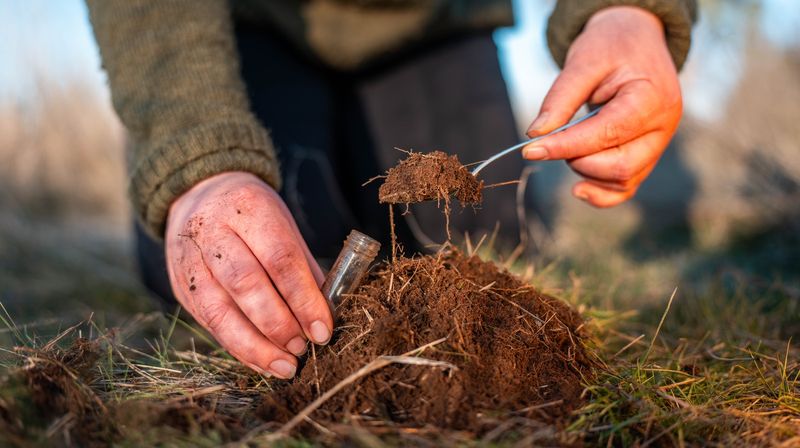
Taking a sample is easy. Use a clean trowel to dig down about four to six inches near your hydrangeas.
Grab small amounts from several spots around the plant. Mix them together in a clean bucket, let the soil dry, and then pack it up as directed.
Where you live in Texas makes a big difference. Much of Central and North Texas has alkaline soil, often thanks to limestone underneath. That is why pink hydrangeas pop up so often in places like Austin, Waco, and the Dallas area.
East Texas is a different story. Pine forests and sandy soils there tend to be more acidic. Gardeners around Tyler, Nacogdoches, and Longview often find blue blooms much easier to grow.
Once your results arrive, you will know how far your soil is from your color goal. A small gap means a small fix.
A big gap may mean a long project or a new approach. Either way, the test helps you avoid wasting money on products you do not need.
© Martha Stewart
Walk into any garden center and you will spot shelves packed with soil products. It can feel overwhelming. Luckily, the choice for hydrangea color comes down to just a few items.
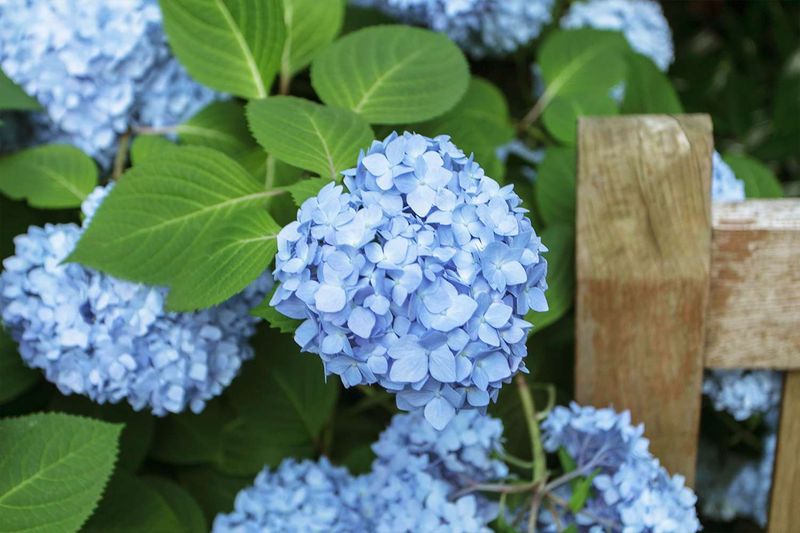
For bluer flowers, you need to make the soil more acidic. Garden sulfur is a popular pick. Soil microbes slowly turn it into an acid, which lowers pH over several months. Because it works slowly, it fits perfectly with an October start.
Aluminum sulfate is another choice. It works faster and also adds aluminum directly to the soil. That double action can boost blue color more quickly. The tradeoff is that it can be harsh if you use too much.
Always read the label before you start. Follow the listed rates closely, and measure instead of eyeballing it.
Too much sulfur or aluminum sulfate can burn the roots and harm your plant. More is not better here. Small, steady doses over time are safer and work well.
Spread the amendment evenly around the drip line, which is the area under the outer edge of the branches. That is where many feeder roots live. Water it in gently afterward so it begins soaking into the ground.
What about pink flowers? In most of Texas, you can relax. Alkaline soil already does the work for you, so pink usually happens on its own. Lime raises pH, but Texas gardeners rarely need it.
Adding lime to soil that is already alkaline could push it too far and cause nutrient problems. If your soil test shows acidic ground and you want pink, then a light lime treatment may make sense.
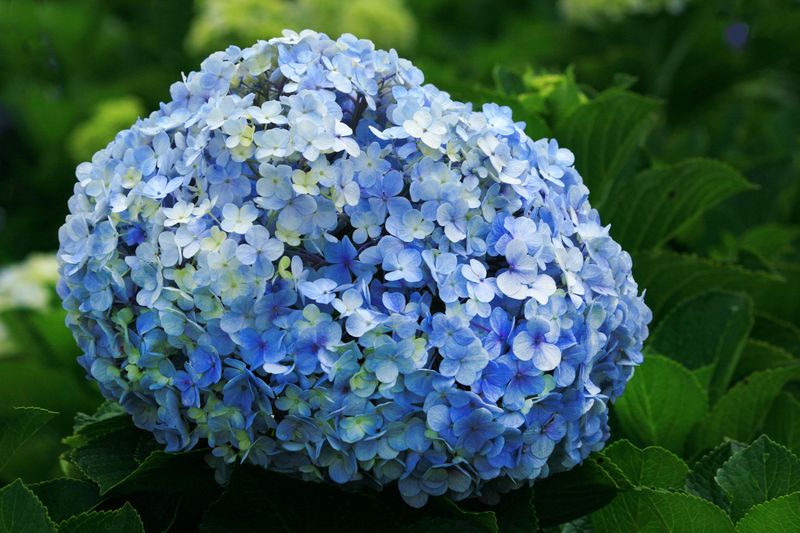
Image Credit: © Jeffry Surianto / Pexels
Many Texas gardeners have the same story. They buy a gorgeous blue hydrangea, plant it in the yard, and watch it slowly turn pink. It is frustrating, but there is a clear reason behind it.
Alkaline soil is the first problem. Even after you lower the pH, the ground around your planting area stays alkaline.
Over time, that surrounding soil can creep back in. Limestone deep below the surface keeps nudging things upward.
Tap water adds to the challenge. In many parts of Texas, city water is hard. That means it carries minerals like calcium that raise soil pH a little more every time you water. During long, dry summers, you may water a lot, so the effect adds up fast.
So should you give up on blue? Not at all. Containers are the clever workaround. When you grow a hydrangea in a big pot, you control the soil completely.
Fill it with an acidic potting mix, like one made for azaleas and camellias. Pick a container at least 18 to 24 inches wide so the roots have room to grow.
Rainwater is your best friend here. It is naturally soft and slightly acidic, which helps keep the pH low. Set up a rain barrel under a gutter downspout to collect it. Even using rainwater part of the time can help a lot.
Pots offer another perk. You can move them into afternoon shade when the Texas sun gets intense. Hydrangeas appreciate that break. With the right mix, smart watering, and a good spot, blue blooms become very doable.
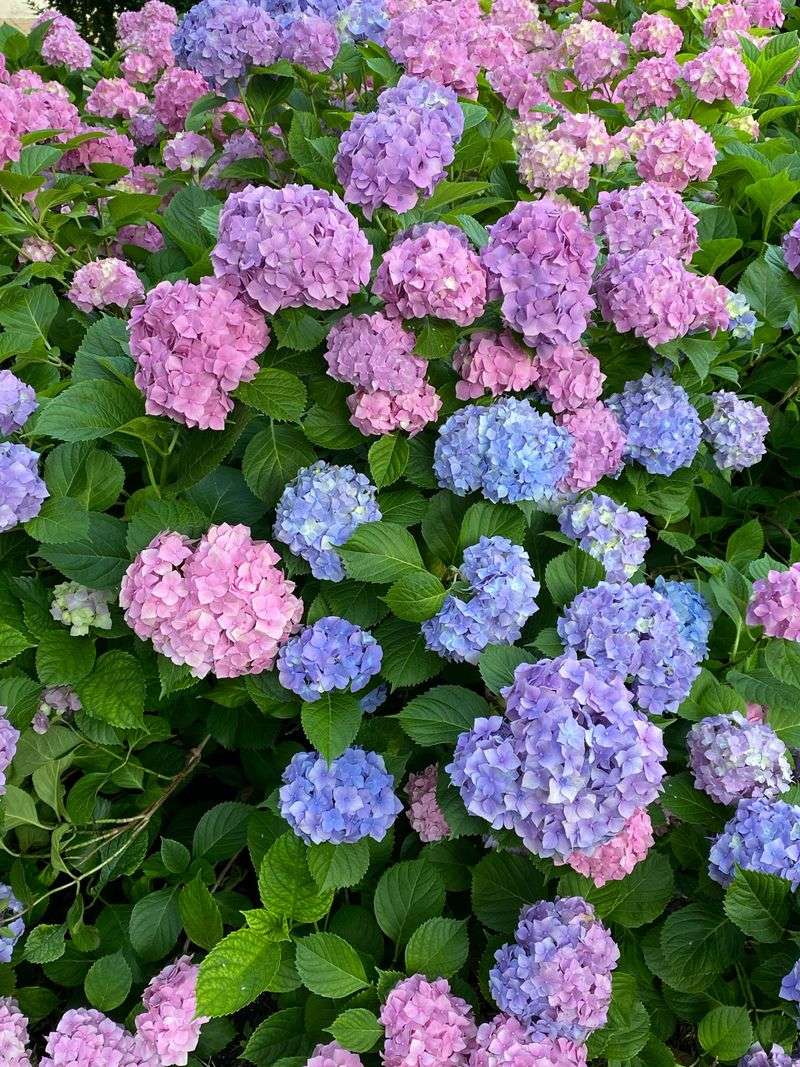
Image Credit: © Bozhena / Pexels
Getting great hydrangea color is not a one-time job. It is more like a friendship that needs regular attention. A few habits throughout the year will keep your plants heading in the right direction.
Mulch is a simple place to begin. Pine needles and pine bark break down slowly and add a touch of acidity to the soil.
That gentle effect supports blue blooms over time. Spread a layer about two to three inches deep around the plant, keeping it a few inches away from the stems.
Mulch helps in other ways, too. It holds moisture in the soil during hot Texas summers. It keeps roots cooler and blocks weeds from popping up. In winter, it adds a cozy blanket against sudden cold snaps.
Fertilizer choice matters more than most people realize. If you want blue flowers, avoid products high in phosphorus. That is the middle number on the fertilizer bag, such as the 20 in a 10-20-10 blend.
Phosphorus can bind with aluminum in the soil, which keeps the plant from absorbing it. The result is pinker flowers, even in acidic soil.
Instead, look for a fertilizer with a low middle number. Products made for acid-loving plants are often a smart fit. Feed lightly in spring and early summer, then stop by late summer.
Check your progress each season. Retest your soil every year or two to see if the pH is holding steady.
Small adjustments along the way are much easier than big fixes later. With steady care, your hydrangeas will reward you with the colors you have been hoping for.
The post Don’t Miss This Important Hydrangea Task In Texas This October appeared first on Positivebloom.
It’s one of the most common hydrangea surprises in the state, and it isn’t a mistake at the nursery.
Popular bigleaf hydrangeas can change color depending on the conditions they’re growing in. Much of Texas naturally nudges them toward pink, while the plants sold in stores are often grown under carefully controlled conditions that keep them blue.
Once they settle into a new home, they gradually adjust, and the color shifts with them. You can influence that outcome, though. The catch is timing.
Changes take months to show up in the flowers, which is why October is such an important month.
Handle one simple task now, and you’ll have a much better shot at the color you really want.
Adjust Your Soil For Next Year’s Flower Color
© Driven by Decor
Gardeners who plan ahead usually get the prettiest flowers. That is the secret behind amazing hydrangea color. The work you do in October sets the stage for the blooms you will see months from now.
Soil does not change overnight. When you add something to adjust it, the material needs time to break down and mix into the ground.
Rain, soil microbes, and cooler weather all help with that slow process. Starting in fall gives these helpers several months to do their job before spring arrives.
Think of it like marinating food before cooking. The longer it sits, the better the results. If you wait until the plant is already making buds in spring, you will likely see little or no change that year.
The flowers will simply bloom in whatever color the soil supports at that moment. October is also a comfortable time to garden in Texas. The brutal summer heat has eased up.
You can spend an afternoon outside without feeling worn out. Your hydrangeas are also slowing down, so working around them causes less stress to the plant.
Before you grab a bag of anything, decide on your goal. Do you want deeper blue blooms? Are you hoping for brighter pink ones? Knowing what you want makes every next step much easier.
Keep a simple garden notebook, too. Write down the date, what you added, and how much you used. Next summer, you can look back and see what worked.
Over a few seasons, those notes become your personal guide to growing hydrangeas just the way you like them in your corner of Texas.
Why Hydrangea Colors Change
Image Credit: © Lara / Pexels
Did you know the same hydrangea plant can bloom blue one year and pink the next? It sounds like magic, but it is really simple chemistry. Once you understand it, you can start steering the color yourself.
The key player is aluminum. Bigleaf hydrangeas, the kind with big round mophead or flat lacecap flowers, react to how much aluminum they can pull from the soil.
When the plant takes in plenty of aluminum, the flowers turn blue. When it gets very little, the blooms show up pink.
So what controls the aluminum? The answer is soil pH. Soil pH measures how acidic or alkaline the ground is. Acidic soil has a low pH, usually below 6. In acidic soil, aluminum becomes easy for roots to grab, and blue flowers follow.
Alkaline soil has a high pH, often above 7. In that kind of soil, aluminum gets locked up and stays out of reach.
The plant cannot absorb it well, so the flowers lean pink. Soil in the middle range often gives you purple or mixed shades, which can be lovely too.
White hydrangeas play by different rules. Most white types stay white no matter what soil they grow in.
They simply lack the pigments that react to aluminum. If you own a white hydrangea, you can skip the color fuss and enjoy its clean, bright look.
Here is a fun bit of trivia. Some gardeners long ago buried rusty nails or coins near hydrangeas, hoping to change the color. Those old tricks rarely worked. Adjusting soil pH is the real method that gets results.
Start With A Soil Test
© House Digest
Guessing about your soil is a lot like guessing your shoe size. You might get close, but you could also end up uncomfortable. A soil test takes the mystery away and tells you exactly where you stand.
In Texas, one great option is the Texas A&M AgriLife Extension soil testing lab. You can collect a sample from your yard and mail it in for a small fee.
The report shows your soil pH, along with nutrient levels that matter for healthy plants. Many county extension offices can help you with forms and instructions.
Taking a sample is easy. Use a clean trowel to dig down about four to six inches near your hydrangeas.
Grab small amounts from several spots around the plant. Mix them together in a clean bucket, let the soil dry, and then pack it up as directed.
Where you live in Texas makes a big difference. Much of Central and North Texas has alkaline soil, often thanks to limestone underneath. That is why pink hydrangeas pop up so often in places like Austin, Waco, and the Dallas area.
East Texas is a different story. Pine forests and sandy soils there tend to be more acidic. Gardeners around Tyler, Nacogdoches, and Longview often find blue blooms much easier to grow.
Once your results arrive, you will know how far your soil is from your color goal. A small gap means a small fix.
A big gap may mean a long project or a new approach. Either way, the test helps you avoid wasting money on products you do not need.
Choose The Right Amendment
© Martha Stewart
Walk into any garden center and you will spot shelves packed with soil products. It can feel overwhelming. Luckily, the choice for hydrangea color comes down to just a few items.
For bluer flowers, you need to make the soil more acidic. Garden sulfur is a popular pick. Soil microbes slowly turn it into an acid, which lowers pH over several months. Because it works slowly, it fits perfectly with an October start.
Aluminum sulfate is another choice. It works faster and also adds aluminum directly to the soil. That double action can boost blue color more quickly. The tradeoff is that it can be harsh if you use too much.
Always read the label before you start. Follow the listed rates closely, and measure instead of eyeballing it.
Too much sulfur or aluminum sulfate can burn the roots and harm your plant. More is not better here. Small, steady doses over time are safer and work well.
Spread the amendment evenly around the drip line, which is the area under the outer edge of the branches. That is where many feeder roots live. Water it in gently afterward so it begins soaking into the ground.
What about pink flowers? In most of Texas, you can relax. Alkaline soil already does the work for you, so pink usually happens on its own. Lime raises pH, but Texas gardeners rarely need it.
Adding lime to soil that is already alkaline could push it too far and cause nutrient problems. If your soil test shows acidic ground and you want pink, then a light lime treatment may make sense.
Why Blue Is Harder To Get In Texas
Image Credit: © Jeffry Surianto / Pexels
Many Texas gardeners have the same story. They buy a gorgeous blue hydrangea, plant it in the yard, and watch it slowly turn pink. It is frustrating, but there is a clear reason behind it.
Alkaline soil is the first problem. Even after you lower the pH, the ground around your planting area stays alkaline.
Over time, that surrounding soil can creep back in. Limestone deep below the surface keeps nudging things upward.
Tap water adds to the challenge. In many parts of Texas, city water is hard. That means it carries minerals like calcium that raise soil pH a little more every time you water. During long, dry summers, you may water a lot, so the effect adds up fast.
So should you give up on blue? Not at all. Containers are the clever workaround. When you grow a hydrangea in a big pot, you control the soil completely.
Fill it with an acidic potting mix, like one made for azaleas and camellias. Pick a container at least 18 to 24 inches wide so the roots have room to grow.
Rainwater is your best friend here. It is naturally soft and slightly acidic, which helps keep the pH low. Set up a rain barrel under a gutter downspout to collect it. Even using rainwater part of the time can help a lot.
Pots offer another perk. You can move them into afternoon shade when the Texas sun gets intense. Hydrangeas appreciate that break. With the right mix, smart watering, and a good spot, blue blooms become very doable.
Support Your Color Goals All Year
Image Credit: © Bozhena / Pexels
Getting great hydrangea color is not a one-time job. It is more like a friendship that needs regular attention. A few habits throughout the year will keep your plants heading in the right direction.
Mulch is a simple place to begin. Pine needles and pine bark break down slowly and add a touch of acidity to the soil.
That gentle effect supports blue blooms over time. Spread a layer about two to three inches deep around the plant, keeping it a few inches away from the stems.
Mulch helps in other ways, too. It holds moisture in the soil during hot Texas summers. It keeps roots cooler and blocks weeds from popping up. In winter, it adds a cozy blanket against sudden cold snaps.
Fertilizer choice matters more than most people realize. If you want blue flowers, avoid products high in phosphorus. That is the middle number on the fertilizer bag, such as the 20 in a 10-20-10 blend.
Phosphorus can bind with aluminum in the soil, which keeps the plant from absorbing it. The result is pinker flowers, even in acidic soil.
Instead, look for a fertilizer with a low middle number. Products made for acid-loving plants are often a smart fit. Feed lightly in spring and early summer, then stop by late summer.
Check your progress each season. Retest your soil every year or two to see if the pH is holding steady.
Small adjustments along the way are much easier than big fixes later. With steady care, your hydrangeas will reward you with the colors you have been hoping for.
The post Don’t Miss This Important Hydrangea Task In Texas This October appeared first on Positivebloom.