J
Jason Parker
Guest
- Thread Author
- #1
Apple trees do not stop working when the harvest ends. Pests, disease, and hungry animals are already planning for winter, and what you do now decides what greets the tree in spring.
A few jobs belong on every Michigan grower’s list, and one matters more than the rest. It reduces disease, protects bark, and cuts the number of pests waiting underground. Skipping it means starting next season with a problem already in place.
The window is short. Once the ground freezes or snow falls, the job gets much harder. Warm, dry days this week make it easy. A single afternoon is usually enough.
Do it before the month ends, and your trees begin the new growing season in much better shape.
© Reddit
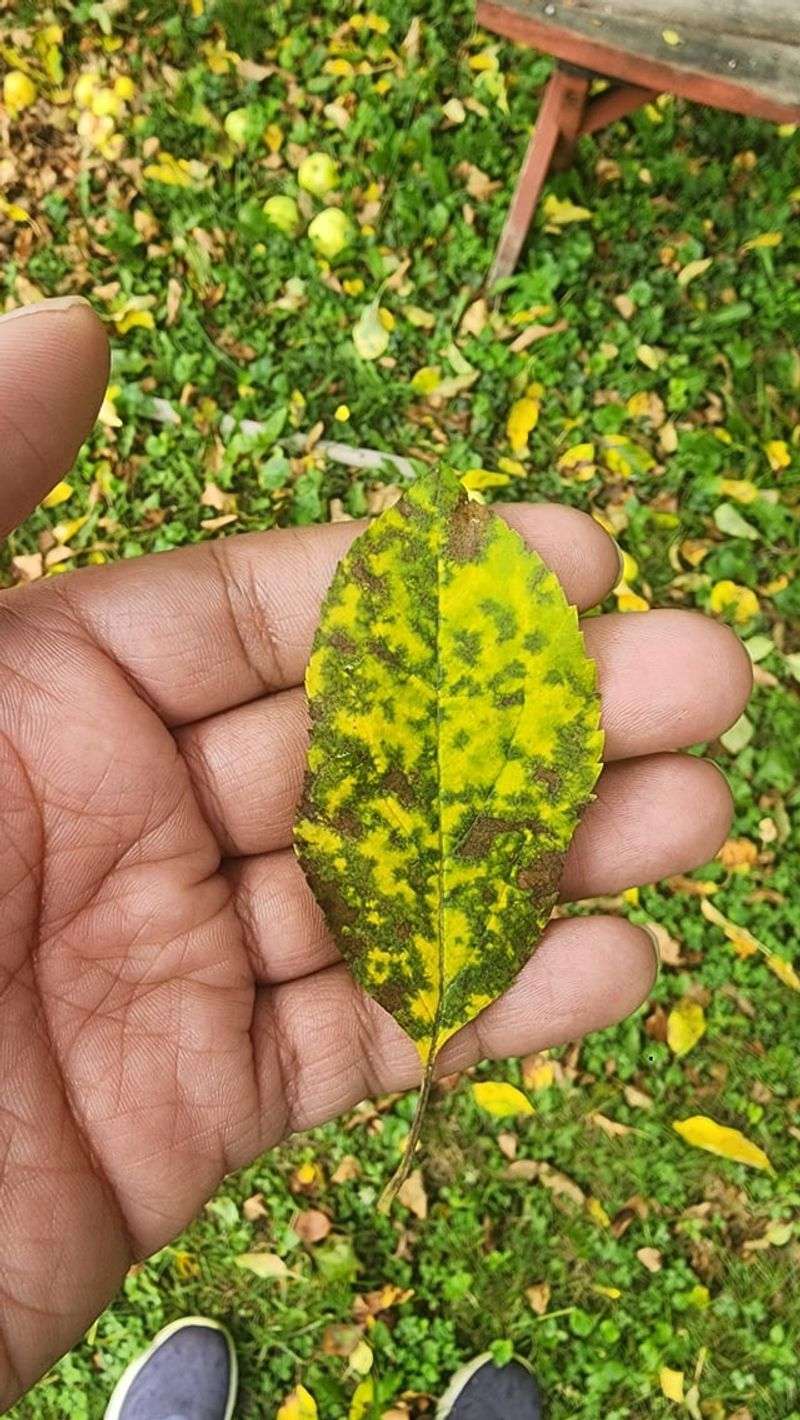
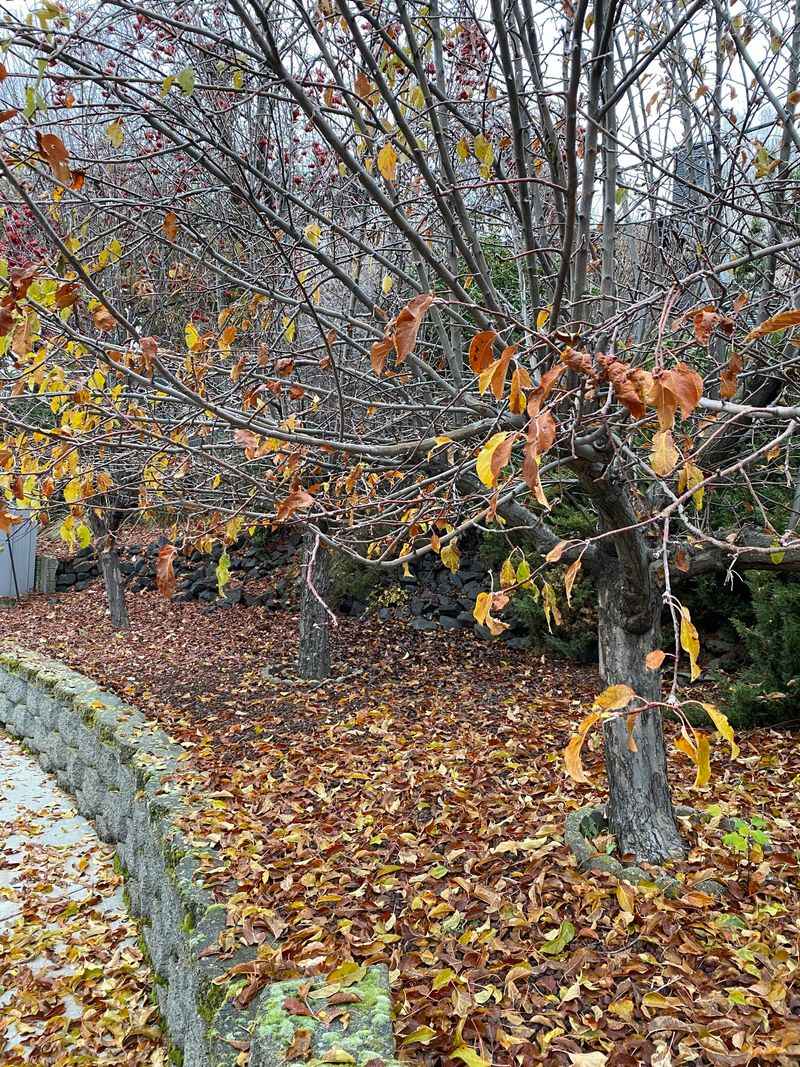
Those crunchy leaves under your apple tree look harmless, but they hide a sneaky problem. Apple scab, one of the most common apple diseases, spends the whole winter tucked inside infected fallen leaves.
When spring rain arrives, the fungus shoots tiny spores into the air. Those spores land on fresh new leaves and young fruit.
Soon you see dark, olive-colored spots that turn into rough, scabby patches on the apples. Badly infected leaves can turn yellow and drop early, which weakens the tree over time.
The good news is that you can break this cycle with a simple rake. Wait until most leaves have dropped, then gather everything from under the tree and a little past the edge of the branches. A leaf blower or tarp can make the job go faster.
Where those leaves end up matters too. Bag them for yard waste pickup or put them in the trash instead of tossing them on a home compost pile.
Backyard compost piles often don’t get hot enough to destroy the fungus, so the spores may survive and come back.
Short on time or bags? Run over the leaves a few times with your lawn mower to shred them into tiny pieces. Small bits break down much faster, so less of the fungus makes it to spring.
Some gardeners mow first and then rake up the shredded pieces for an extra boost. Michigan springs are often cool and wet, and that is exactly the weather apple scab loves. Long, rainy days give the spores plenty of chances to spread.
By cutting down the number of infected leaves now, you give your tree a cleaner start when the first buds open next April and May.
© Iron Tree – Iron Tree Service
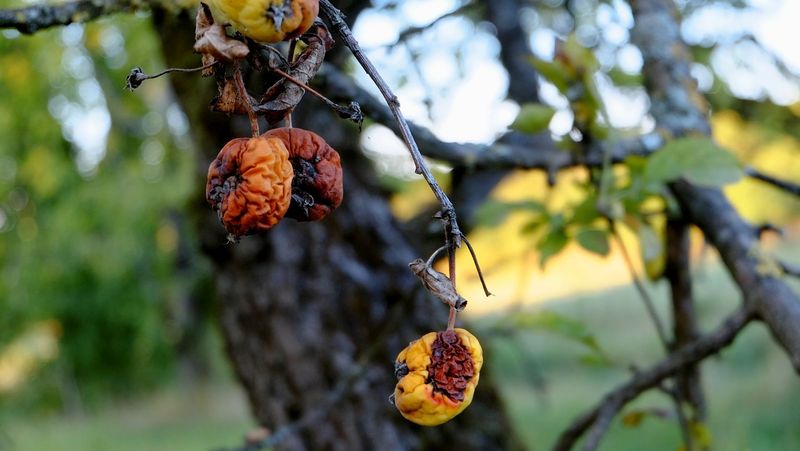
Spooky season has a perfect match in the apple orchard. After harvest, you may spot wrinkled, dark, rock-hard apples still clinging to the branches. Growers call them mummies, and the name fits them well.
Mummies are more than an odd sight. These dried-up apples can carry fungal diseases like black rot and bitter rot right through the winter.
When warm, wet weather returns, they release spores that can infect next year’s fruit and even cause cankers on the wood.
Removing them is easy, though it takes a sharp eye. Walk slowly around the tree and look up into the middle of the canopy, where mummies love to hide.
Many look like old brown leaves or blend in with the bark, so checking from a few different angles helps.
For high branches, a sturdy step ladder or a fruit picker on a pole makes the work safer. Gently pull or twist each shriveled apple off. If one is stuck tight, snip the small stem with hand pruners rather than tearing the bark.
After you collect them, toss the mummies in the trash. Skip the compost bin, since the fungi can survive there and find their way back to your yard. Scan the ground too, because a few may have fallen during your search.
Plenty of Michigan home growers would rather avoid heavy spraying, and this chore fits that goal nicely.
Removing mummies lowers the amount of disease waiting in your tree without any chemicals at all. It costs nothing, takes maybe twenty minutes, and pays off when your apples come in clean and smooth next fall.
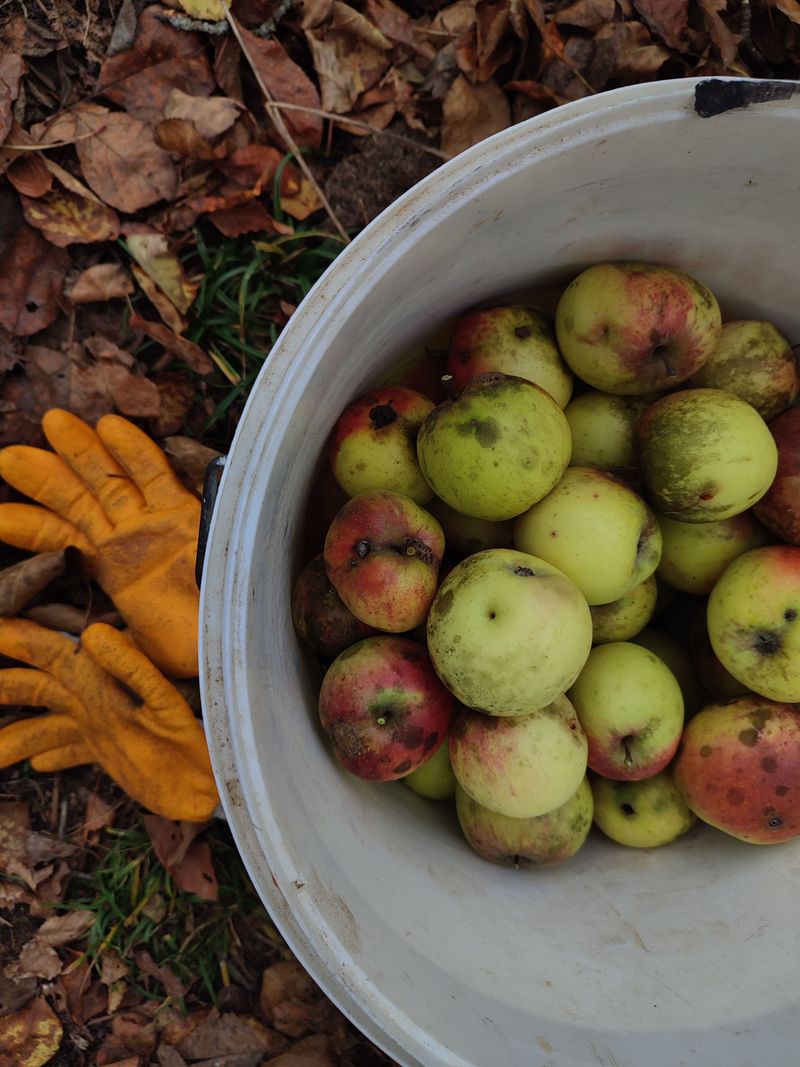
Image Credit: © Gizem Gökce / Pexels
Every apple on the ground tells a story, and some of those stories involve worms. Fruit that drops early is often the work of pests like codling moth and apple maggot.
Once the larvae finish feeding, apple maggots drop into the soil to spend the winter, while codling moth larvae spin cocoons under loose bark or in debris near the tree.
Next summer, those same pests come back as adults, ready to lay eggs in your new apples. Leaving dropped fruit on the ground basically gives them a free winter home. Clearing it away helps shrink the next generation.
Rotting apples also send out a sweet invitation to other visitors. Yellowjackets swarm the soft fruit, which can make yard work a stinging adventure. Deer and rodents show up for the snack too, and they may stick around to nibble on your tree.
A simple routine keeps things under control. Every few days, through the end of harvest, walk under your tree with a bucket and gather the fallen fruit. A long-handled apple picker or nut gatherer saves your back if you have a lot to collect.
Sort as you go. Sound apples with only a small bruise can be used quickly for sauce or cider, but damaged or wormy fruit should go in the trash.
Avoid dumping piles of apples in a corner of the yard near the tree, since that just moves the problem a few feet away.
In Michigan, apple maggot and codling moth show up in backyard trees all across the state. Commercial growers watch these pests closely, and home gardeners can borrow their habits.
A tidy orchard floor is one of the easiest ways to enjoy more clean, worm-free bites next season.
© Purdue Agriculture – Purdue University
Winter is hungry season for Michigan wildlife. When snow covers the grass and plants, rabbits and voles turn to the tender bark of young apple trees. To them, your tree trunk looks like a winter buffet.
Each critter attacks from a different spot. Rabbits gnaw bark above the snow line, and they can reach higher as snow piles up. Voles, which are small mouse-like rodents, chew at the soil surface and even below it, where you can’t easily see.
Small scrapes usually heal, but serious chewing is another story. When damage circles all the way around the trunk, it cuts off the flow of water and nutrients between roots and branches. A tree hurt that badly may not recover.
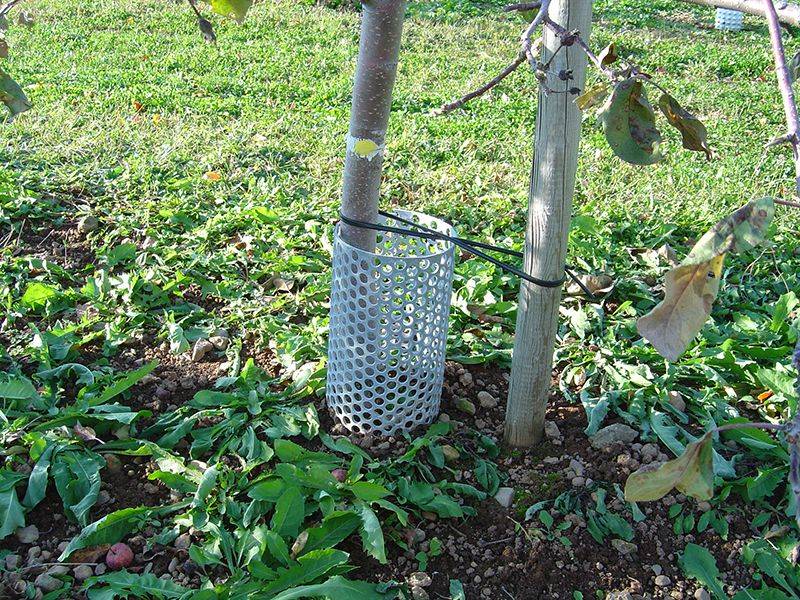
Hardware cloth is your best defense. Choose 1/4-inch mesh and form it into a loose cylinder around the trunk, leaving an inch or two of space between the wire and the bark. That gap keeps the metal from rubbing and gives the trunk room to grow.
Height matters a lot here. Make the guard tall enough to rise well above the deepest snow you expect, since rabbits stand on top of drifts to feed. Then bury the bottom edge 2 to 3 inches into the soil so voles can’t slip underneath.
Wear gloves when cutting the wire, because the edges are sharp. Michigan winters can stretch on for months, especially up north, leaving these animals with very little to eat besides bark.
A sturdy guard installed in October means you can relax when the snow starts falling.
© Reddit
Voles are tiny, but they love a good hiding spot. Thick mulch piled against the trunk or tall grass around the base gives them a cozy, protected place to live. From there, they can quietly snack on bark all winter long.
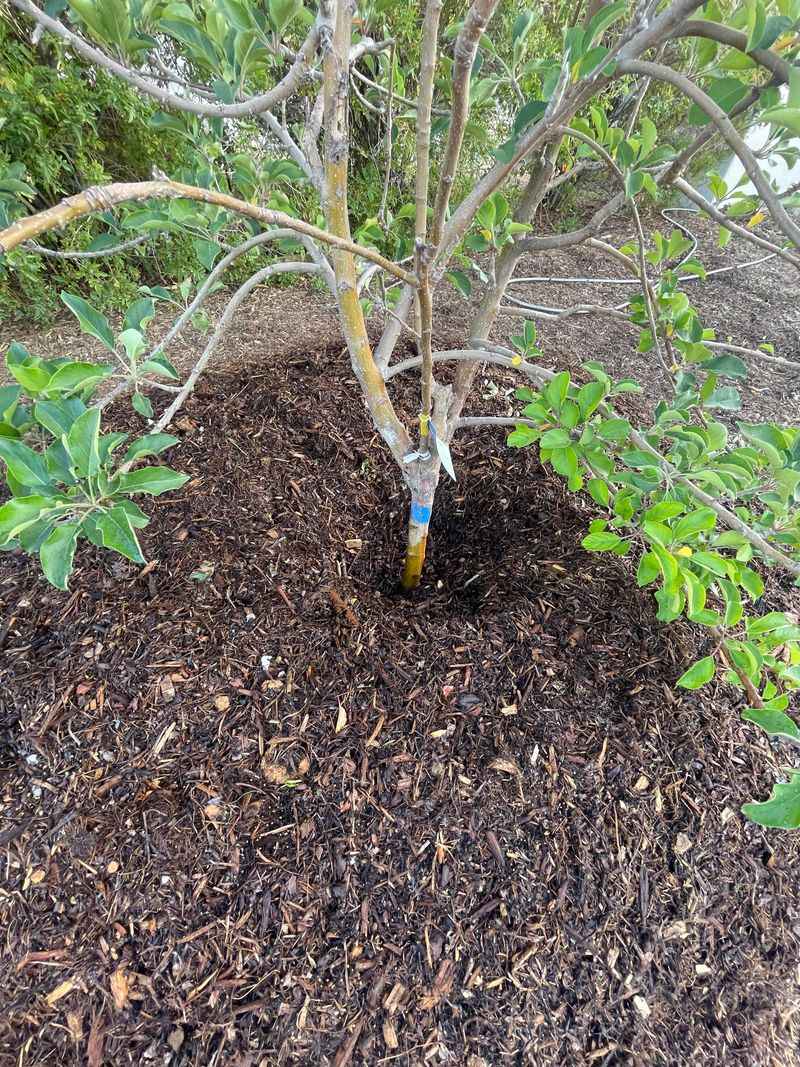
Fixing this takes just a few minutes with a rake or your hands. Pull the mulch several inches away from the trunk so a ring of bare soil surrounds it. Picture a donut shape instead of a volcano piled up against the bark.
Depth counts as well. Keep your mulch layer no deeper than 2 to 3 inches. Thicker layers hold too much moisture against the roots and make an even better tunnel system for rodents.
Next, give the lawn around the tree one last short trim before winter. Short grass leaves voles feeling exposed to hawks, owls, and foxes, so they are less likely to set up camp nearby. Use a string trimmer carefully near the trunk to avoid nicking the bark.
Finish by clearing weeds, piles of sticks, and other debris from the base. Every hiding spot you remove makes your tree a little less inviting. These steps work great alongside a hardware cloth guard for extra protection.
Here in Michigan, vole damage often stays hidden all winter under a blanket of snow. Many gardeners only discover chewed trunks in March or April when the snow finally melts. A tidy, open base in October helps you avoid that unpleasant spring surprise.
© Wikifarmer
Above the ground, your apple tree looks like it is taking a nap. Below the ground, though, the roots keep growing until the soil freezes. That makes fall moisture more important than many people realize.
Trees that head into winter well hydrated handle the cold much better. Dry trees are more likely to suffer winter damage to their bark, branches, and buds. Cold, drying winter winds can pull even more moisture from a thirsty tree.
So how do you know if your tree needs a drink? Grab a trowel or simply push a finger several inches into the soil near the root zone. If it feels dry and crumbly a few inches down, it is time to water.
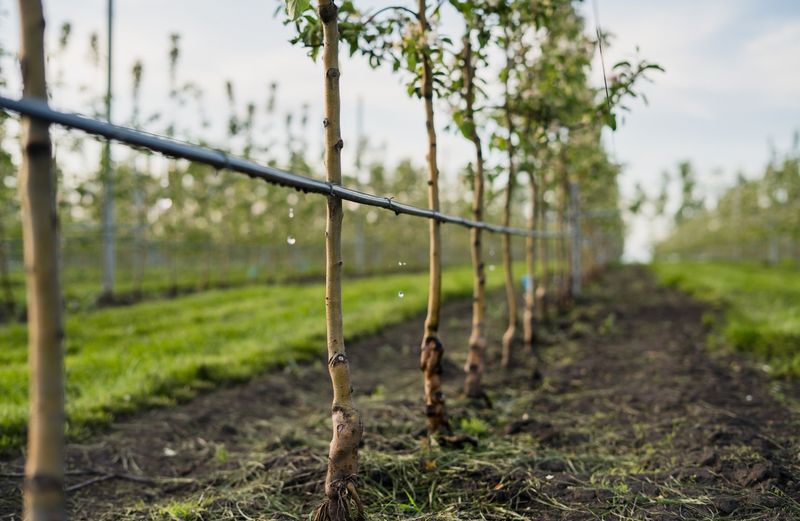
Go slow and deep rather than quick and shallow. Set a hose on a gentle trickle or use a soaker hose around the outer edge of the canopy, often called the drip line. That is where many of the feeder roots take up water.
Repeat every week or two until the ground begins to freeze. Young trees deserve extra attention, since their smaller root systems dry out faster. Water in the morning or midday on mild days so the moisture soaks in before cold nights arrive.
This fall, parts of Lower Michigan have been abnormally dry, and the western Upper Peninsula has slipped into serious drought.
Rain alone may not be enough to refill the soil before winter. A few deep soakings now can make a real difference in how your tree looks next spring.
© Reddit
Patience is one of the best tools a fruit grower can own. Reaching for the pruners in October may feel productive, but fall is actually a poor time for major pruning. Your tree will do much better if you wait.
Here is why. Cuts made in fall stay open longer because the tree is slowing down and can’t heal them quickly. Fall pruning can also wake up new growth at the wrong time, and tender shoots don’t stand a chance against Michigan’s freezing temperatures.
Late winter is a different story. When the tree is fully dormant and the leaves are gone, you can easily see every branch and how they fit together. Then, as growth kicks off in spring, the tree seals those cuts fast.
That doesn’t mean you have to ignore your tree completely right now. Go ahead and remove any broken branches or ones that clearly show disease. Clean cuts on damaged wood are better than leaving jagged tears.
For everything else, grab a notebook or your phone. Jot down branches that cross and rub, crowded spots in the center, or tall shoots shooting straight up. Some gardeners tie a bit of bright ribbon on branches they plan to remove later.
Mark your calendar for February or March, before the buds start to swell. Dormant season pruning is the standard practice across Michigan orchards because it keeps trees healthy, open to sunlight, and full of fruit.
A little waiting now leads to stronger branches and a more generous harvest down the road.
The post Don’t Let October End Without Doing This For Your Michigan Apple Trees appeared first on Positivebloom.
A few jobs belong on every Michigan grower’s list, and one matters more than the rest. It reduces disease, protects bark, and cuts the number of pests waiting underground. Skipping it means starting next season with a problem already in place.
The window is short. Once the ground freezes or snow falls, the job gets much harder. Warm, dry days this week make it easy. A single afternoon is usually enough.
Do it before the month ends, and your trees begin the new growing season in much better shape.
1. Clean Up Fallen Leaves To Fight Apple Scab
Those crunchy leaves under your apple tree look harmless, but they hide a sneaky problem. Apple scab, one of the most common apple diseases, spends the whole winter tucked inside infected fallen leaves.
When spring rain arrives, the fungus shoots tiny spores into the air. Those spores land on fresh new leaves and young fruit.
Soon you see dark, olive-colored spots that turn into rough, scabby patches on the apples. Badly infected leaves can turn yellow and drop early, which weakens the tree over time.
The good news is that you can break this cycle with a simple rake. Wait until most leaves have dropped, then gather everything from under the tree and a little past the edge of the branches. A leaf blower or tarp can make the job go faster.
Where those leaves end up matters too. Bag them for yard waste pickup or put them in the trash instead of tossing them on a home compost pile.
Backyard compost piles often don’t get hot enough to destroy the fungus, so the spores may survive and come back.
Short on time or bags? Run over the leaves a few times with your lawn mower to shred them into tiny pieces. Small bits break down much faster, so less of the fungus makes it to spring.
Some gardeners mow first and then rake up the shredded pieces for an extra boost. Michigan springs are often cool and wet, and that is exactly the weather apple scab loves. Long, rainy days give the spores plenty of chances to spread.
By cutting down the number of infected leaves now, you give your tree a cleaner start when the first buds open next April and May.
2. Remove Mummified Fruit From The Branches
© Iron Tree – Iron Tree Service
Spooky season has a perfect match in the apple orchard. After harvest, you may spot wrinkled, dark, rock-hard apples still clinging to the branches. Growers call them mummies, and the name fits them well.
Mummies are more than an odd sight. These dried-up apples can carry fungal diseases like black rot and bitter rot right through the winter.
When warm, wet weather returns, they release spores that can infect next year’s fruit and even cause cankers on the wood.
Removing them is easy, though it takes a sharp eye. Walk slowly around the tree and look up into the middle of the canopy, where mummies love to hide.
Many look like old brown leaves or blend in with the bark, so checking from a few different angles helps.
For high branches, a sturdy step ladder or a fruit picker on a pole makes the work safer. Gently pull or twist each shriveled apple off. If one is stuck tight, snip the small stem with hand pruners rather than tearing the bark.
After you collect them, toss the mummies in the trash. Skip the compost bin, since the fungi can survive there and find their way back to your yard. Scan the ground too, because a few may have fallen during your search.
Plenty of Michigan home growers would rather avoid heavy spraying, and this chore fits that goal nicely.
Removing mummies lowers the amount of disease waiting in your tree without any chemicals at all. It costs nothing, takes maybe twenty minutes, and pays off when your apples come in clean and smooth next fall.
3. Pick Up Dropped Fruit Under The Tree
Image Credit: © Gizem Gökce / Pexels
Every apple on the ground tells a story, and some of those stories involve worms. Fruit that drops early is often the work of pests like codling moth and apple maggot.
Once the larvae finish feeding, apple maggots drop into the soil to spend the winter, while codling moth larvae spin cocoons under loose bark or in debris near the tree.
Next summer, those same pests come back as adults, ready to lay eggs in your new apples. Leaving dropped fruit on the ground basically gives them a free winter home. Clearing it away helps shrink the next generation.
Rotting apples also send out a sweet invitation to other visitors. Yellowjackets swarm the soft fruit, which can make yard work a stinging adventure. Deer and rodents show up for the snack too, and they may stick around to nibble on your tree.
A simple routine keeps things under control. Every few days, through the end of harvest, walk under your tree with a bucket and gather the fallen fruit. A long-handled apple picker or nut gatherer saves your back if you have a lot to collect.
Sort as you go. Sound apples with only a small bruise can be used quickly for sauce or cider, but damaged or wormy fruit should go in the trash.
Avoid dumping piles of apples in a corner of the yard near the tree, since that just moves the problem a few feet away.
In Michigan, apple maggot and codling moth show up in backyard trees all across the state. Commercial growers watch these pests closely, and home gardeners can borrow their habits.
A tidy orchard floor is one of the easiest ways to enjoy more clean, worm-free bites next season.
4. Protect Trunks From Rabbits And Voles
© Purdue Agriculture – Purdue University
Winter is hungry season for Michigan wildlife. When snow covers the grass and plants, rabbits and voles turn to the tender bark of young apple trees. To them, your tree trunk looks like a winter buffet.
Each critter attacks from a different spot. Rabbits gnaw bark above the snow line, and they can reach higher as snow piles up. Voles, which are small mouse-like rodents, chew at the soil surface and even below it, where you can’t easily see.
Small scrapes usually heal, but serious chewing is another story. When damage circles all the way around the trunk, it cuts off the flow of water and nutrients between roots and branches. A tree hurt that badly may not recover.
Hardware cloth is your best defense. Choose 1/4-inch mesh and form it into a loose cylinder around the trunk, leaving an inch or two of space between the wire and the bark. That gap keeps the metal from rubbing and gives the trunk room to grow.
Height matters a lot here. Make the guard tall enough to rise well above the deepest snow you expect, since rabbits stand on top of drifts to feed. Then bury the bottom edge 2 to 3 inches into the soil so voles can’t slip underneath.
Wear gloves when cutting the wire, because the edges are sharp. Michigan winters can stretch on for months, especially up north, leaving these animals with very little to eat besides bark.
A sturdy guard installed in October means you can relax when the snow starts falling.
5. Pull Mulch Back And Mow Grass Short
Voles are tiny, but they love a good hiding spot. Thick mulch piled against the trunk or tall grass around the base gives them a cozy, protected place to live. From there, they can quietly snack on bark all winter long.
Fixing this takes just a few minutes with a rake or your hands. Pull the mulch several inches away from the trunk so a ring of bare soil surrounds it. Picture a donut shape instead of a volcano piled up against the bark.
Depth counts as well. Keep your mulch layer no deeper than 2 to 3 inches. Thicker layers hold too much moisture against the roots and make an even better tunnel system for rodents.
Next, give the lawn around the tree one last short trim before winter. Short grass leaves voles feeling exposed to hawks, owls, and foxes, so they are less likely to set up camp nearby. Use a string trimmer carefully near the trunk to avoid nicking the bark.
Finish by clearing weeds, piles of sticks, and other debris from the base. Every hiding spot you remove makes your tree a little less inviting. These steps work great alongside a hardware cloth guard for extra protection.
Here in Michigan, vole damage often stays hidden all winter under a blanket of snow. Many gardeners only discover chewed trunks in March or April when the snow finally melts. A tidy, open base in October helps you avoid that unpleasant spring surprise.
6. Give A Deep Watering If The Soil Is Dry
© Wikifarmer
Above the ground, your apple tree looks like it is taking a nap. Below the ground, though, the roots keep growing until the soil freezes. That makes fall moisture more important than many people realize.
Trees that head into winter well hydrated handle the cold much better. Dry trees are more likely to suffer winter damage to their bark, branches, and buds. Cold, drying winter winds can pull even more moisture from a thirsty tree.
So how do you know if your tree needs a drink? Grab a trowel or simply push a finger several inches into the soil near the root zone. If it feels dry and crumbly a few inches down, it is time to water.
Go slow and deep rather than quick and shallow. Set a hose on a gentle trickle or use a soaker hose around the outer edge of the canopy, often called the drip line. That is where many of the feeder roots take up water.
Repeat every week or two until the ground begins to freeze. Young trees deserve extra attention, since their smaller root systems dry out faster. Water in the morning or midday on mild days so the moisture soaks in before cold nights arrive.
This fall, parts of Lower Michigan have been abnormally dry, and the western Upper Peninsula has slipped into serious drought.
Rain alone may not be enough to refill the soil before winter. A few deep soakings now can make a real difference in how your tree looks next spring.
7. Save Pruning For Late Winter
Patience is one of the best tools a fruit grower can own. Reaching for the pruners in October may feel productive, but fall is actually a poor time for major pruning. Your tree will do much better if you wait.
Here is why. Cuts made in fall stay open longer because the tree is slowing down and can’t heal them quickly. Fall pruning can also wake up new growth at the wrong time, and tender shoots don’t stand a chance against Michigan’s freezing temperatures.
Late winter is a different story. When the tree is fully dormant and the leaves are gone, you can easily see every branch and how they fit together. Then, as growth kicks off in spring, the tree seals those cuts fast.
That doesn’t mean you have to ignore your tree completely right now. Go ahead and remove any broken branches or ones that clearly show disease. Clean cuts on damaged wood are better than leaving jagged tears.
For everything else, grab a notebook or your phone. Jot down branches that cross and rub, crowded spots in the center, or tall shoots shooting straight up. Some gardeners tie a bit of bright ribbon on branches they plan to remove later.
Mark your calendar for February or March, before the buds start to swell. Dormant season pruning is the standard practice across Michigan orchards because it keeps trees healthy, open to sunlight, and full of fruit.
A little waiting now leads to stronger branches and a more generous harvest down the road.
The post Don’t Let October End Without Doing This For Your Michigan Apple Trees appeared first on Positivebloom.