A
Alma Weatherford
Guest
- Thread Author
- #1
Somewhere in the hills near Superior and Globe, a small, spiny cactus grows in a place few people ever see. The Arizona hedgehog cactus is endangered, and a wildfire in 2021 made life harder for it.
Plant experts have since grown new cacti from cuttings and returned some to the wild. Here is what that work means, and whether this cactus belongs in your Phoenix or Tucson yard.
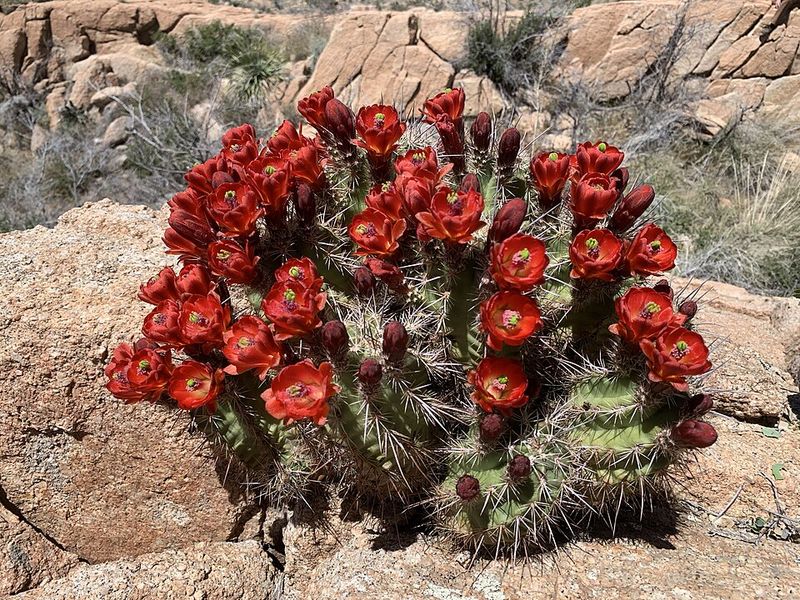
Image Credit: Wikimedia Commons, Public domain.
Meet the Arizona hedgehog cactus, known to scientists as Echinocereus arizonicus ssp. arizonicus. Older federal listing documents use the name E. triglochidiatus var. arizonicus, so you may see both names depending on the source.
This cactus lives in a small pocket of central Arizona. According to the federal five-year review, it grows around Superior and Globe, mainly in Gila and Pinal counties, at roughly 3,200 to 5,300 feet.
That is a transition zone where chaparral, Madrean woodland, and Arizona Upland Sonoran Desert plants meet. Rocky slopes, cooler air, and a bit more moisture shape life there.
So this is a story about one particular native species with a very specific address, not a cactus made for every Arizona landscape.
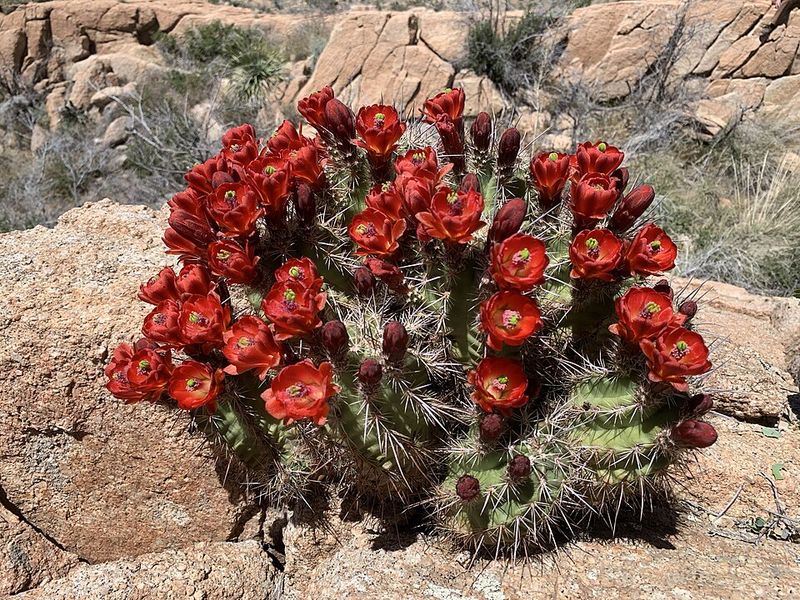
Image Credit: Wikimedia Commons, Public domain.
Counting a small cactus tucked into rocky hills is hard work. A review of records estimated about 5,998 known individuals through 2020, a number the federal review draws from survey and observation records.
Treat that figure as a record-based estimate, not a full or current headcount. The review points out that identification problems and uneven survey records add uncertainty.
Earlier estimates near 7,000 should not be read as an exact baseline either.
The 2021 Telegraph Fire then affected habitat and plants, so today’s picture may differ from the numbers on paper. Thousands of known plants do not suggest the cactus nearly vanished, yet it remains endangered, with a tiny range and real threats.
Both things are true at once.
© Desert Botanical Garden
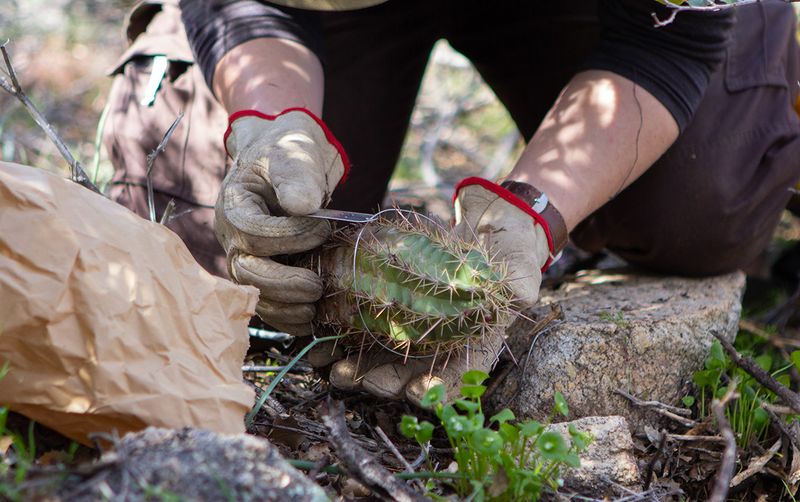
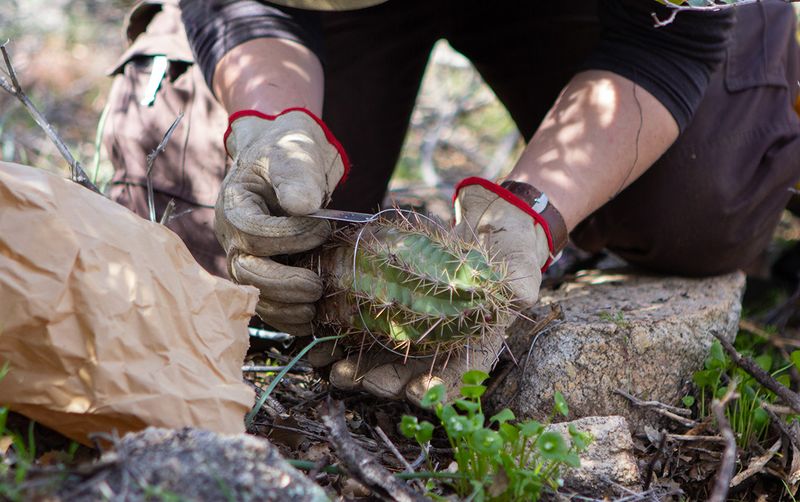
After the Telegraph Fire, Desert Botanical Garden and federal partners set out to help. Staff took cuttings from the cactus and grew new plants from them.
According to the Garden’s report, the broader effort involved rooting 300 cuttings. In 2023, the Garden returned 60 endangered plants to Tonto National Forest.
Those are actions taken, and they are encouraging ones. They give the species extra plants in a landscape the fire disturbed.
They do not show that wild populations have grown, and they should be read as a careful boost rather than a finished rescue.
© Desert Botanical Garden
Planting a cactus and seeing it thrive for decades are two different milestones. The federal five-year review recommends keeping the Arizona hedgehog cactus listed as endangered.
The same review says transplant survival is not guaranteed. Long-term success rates are not yet known, and monitoring is ongoing.
Population trends are also hard to establish, so no one can say the species is rebounding.
Think of the 2023 return as a promising first step. If monitors find most transplants still alive after several seasons of heat, drought, and monsoon storms, that would be good news worth celebrating.
For now, the honest status is cautious hope.
© dawntilldusklandscaping
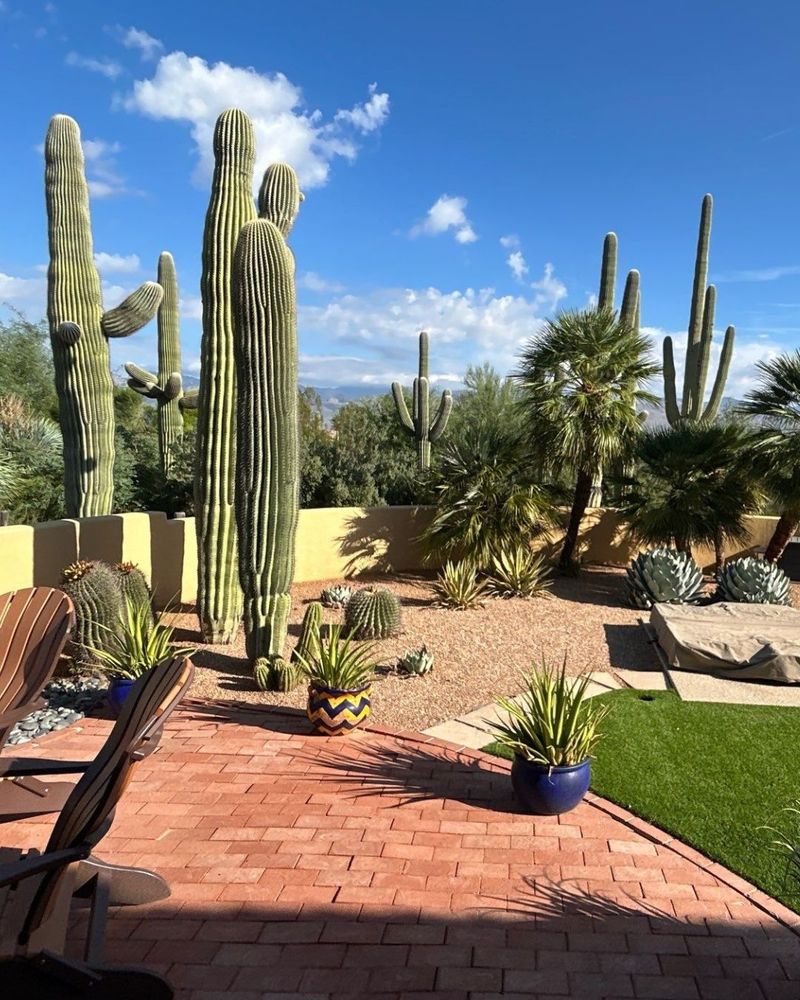
If you are wondering whether to plant one at home, the answer is usually no. Phoenix and Tucson yards sit far below the 3,200 to 5,300 foot range described in the federal review, with hotter summers and very different soil.
The cactus also grows on rocky microsites in a transition zone of chaparral and woodland. A flat, sun-baked suburban lot rarely matches that.
For regular landscaping, University of Arizona Cooperative Extension advises choosing cacti suited to your specific site, and notes that only a minority of nursery-grown cacti suit Arizona landscapes. Check sun exposure, drainage, and winter lows, then ask a local native plant nursery which species fit.
No cactus is guaranteed to thrive in every yard.
© When In Your State
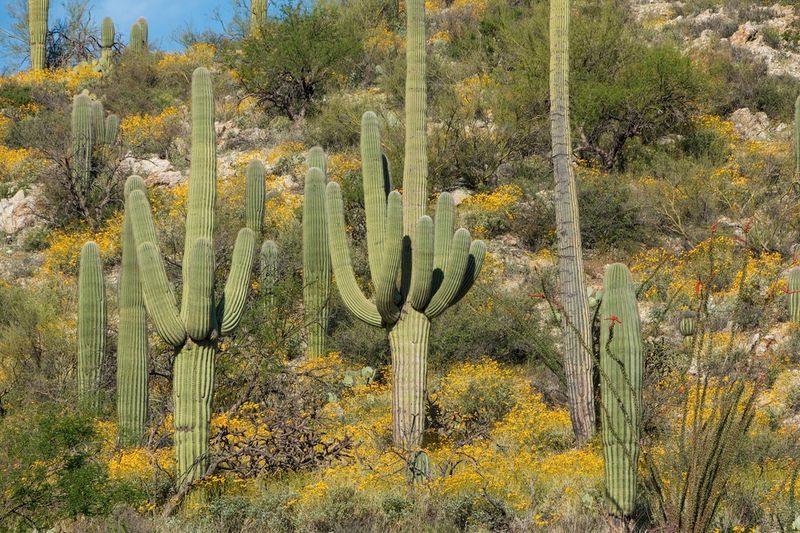
Enjoy this cactus from the trail and leave it in place. Digging up or collecting an endangered plant can add pressure to a species that is already under strain.
Arizona law also restricts taking protected native plants. Arizona Revised Statutes 3-908 covers prohibited acts involving them, and permits and permissions matter on public land and on private land.
If you want a desert yard with character, buy nursery-grown plants that suit your site, and follow the planting guidance from Cooperative Extension. A rare cactus is best admired where it chose to grow.
The post An Endangered Arizona Cactus Gets a Restoration Boost After Fire appeared first on Positivebloom.
Plant experts have since grown new cacti from cuttings and returned some to the wild. Here is what that work means, and whether this cactus belongs in your Phoenix or Tucson yard.
A rare cactus occupies a narrow slice of central Arizona
Image Credit: Wikimedia Commons, Public domain.
Meet the Arizona hedgehog cactus, known to scientists as Echinocereus arizonicus ssp. arizonicus. Older federal listing documents use the name E. triglochidiatus var. arizonicus, so you may see both names depending on the source.
This cactus lives in a small pocket of central Arizona. According to the federal five-year review, it grows around Superior and Globe, mainly in Gila and Pinal counties, at roughly 3,200 to 5,300 feet.
That is a transition zone where chaparral, Madrean woodland, and Arizona Upland Sonoran Desert plants meet. Rocky slopes, cooler air, and a bit more moisture shape life there.
So this is a story about one particular native species with a very specific address, not a cactus made for every Arizona landscape.
What the population records can—and cannot—tell us
Image Credit: Wikimedia Commons, Public domain.
Counting a small cactus tucked into rocky hills is hard work. A review of records estimated about 5,998 known individuals through 2020, a number the federal review draws from survey and observation records.
Treat that figure as a record-based estimate, not a full or current headcount. The review points out that identification problems and uneven survey records add uncertainty.
Earlier estimates near 7,000 should not be read as an exact baseline either.
The 2021 Telegraph Fire then affected habitat and plants, so today’s picture may differ from the numbers on paper. Thousands of known plants do not suggest the cactus nearly vanished, yet it remains endangered, with a tiny range and real threats.
Both things are true at once.
Conservation partners returned propagated plants after the fire
© Desert Botanical Garden
After the Telegraph Fire, Desert Botanical Garden and federal partners set out to help. Staff took cuttings from the cactus and grew new plants from them.
According to the Garden’s report, the broader effort involved rooting 300 cuttings. In 2023, the Garden returned 60 endangered plants to Tonto National Forest.
Those are actions taken, and they are encouraging ones. They give the species extra plants in a landscape the fire disturbed.
They do not show that wild populations have grown, and they should be read as a careful boost rather than a finished rescue.
A restoration effort does not prove a comeback
© Desert Botanical Garden
Planting a cactus and seeing it thrive for decades are two different milestones. The federal five-year review recommends keeping the Arizona hedgehog cactus listed as endangered.
The same review says transplant survival is not guaranteed. Long-term success rates are not yet known, and monitoring is ongoing.
Population trends are also hard to establish, so no one can say the species is rebounding.
Think of the 2023 return as a promising first step. If monitors find most transplants still alive after several seasons of heat, drought, and monsoon storms, that would be good news worth celebrating.
For now, the honest status is cautious hope.
This is not a default cactus for a Phoenix or Tucson yard
© dawntilldusklandscaping
If you are wondering whether to plant one at home, the answer is usually no. Phoenix and Tucson yards sit far below the 3,200 to 5,300 foot range described in the federal review, with hotter summers and very different soil.
The cactus also grows on rocky microsites in a transition zone of chaparral and woodland. A flat, sun-baked suburban lot rarely matches that.
For regular landscaping, University of Arizona Cooperative Extension advises choosing cacti suited to your specific site, and notes that only a minority of nursery-grown cacti suit Arizona landscapes. Check sun exposure, drainage, and winter lows, then ask a local native plant nursery which species fit.
No cactus is guaranteed to thrive in every yard.
Leave wild plants where they grow
© When In Your State
Enjoy this cactus from the trail and leave it in place. Digging up or collecting an endangered plant can add pressure to a species that is already under strain.
Arizona law also restricts taking protected native plants. Arizona Revised Statutes 3-908 covers prohibited acts involving them, and permits and permissions matter on public land and on private land.
If you want a desert yard with character, buy nursery-grown plants that suit your site, and follow the planting guidance from Cooperative Extension. A rare cactus is best admired where it chose to grow.
The post An Endangered Arizona Cactus Gets a Restoration Boost After Fire appeared first on Positivebloom.