F
fifthseason
Guest
- Thread Author
- #1
Welcome to a new year and a new blog series for our readers! By far, the most frequent questions we receive are about proper techniques for successful organic gardening for both edibles and flowers. We thought it would be fun and useful to pull together a series that follows each season and serves as a resource to answer those very questions.
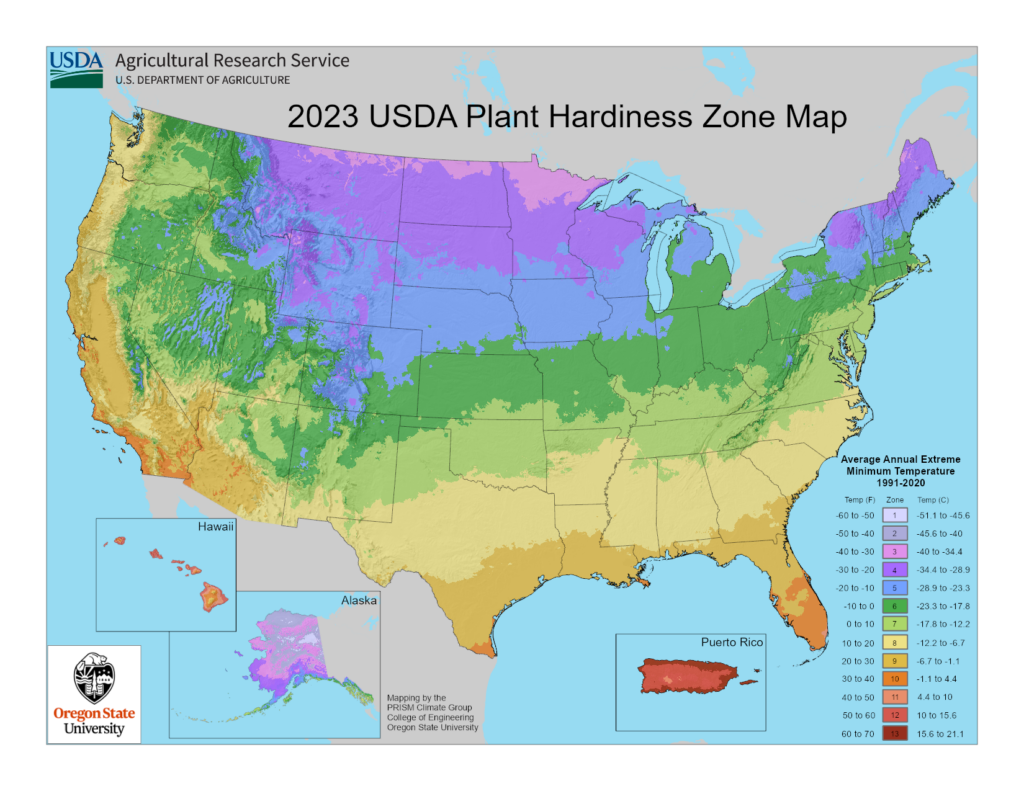
Our plan is simple. Early each month we will post an article to share our advice on what a successful organic gardener should be focused on in the given month. Our guidance is aimed towards people living in USDA Plant Hardiness Zones 7 and 8, as that is home to most of our readers. If you live outside this zone, the information is still useful but may need to be shifted in the year to align with your seasons.
We have a couple of caveats too. The guide is written as a distilled version of our best knowledge and advice. It would take library shelves of books to write everything to be known about organic gardening. We will leave that job to others. Also, while monthly posts are a great way to approach the topic, please be aware that every year and every garden is different. Tailor your own actions to your conditions for best results. For instance, if the guide says “plant veggie starts” and the forecast says “frost warning,” it’s best to heed the warning and adjust accordingly.
We hope that this series will be a valuable resource for our readers and customers. With your help it will be even better. Your comments, questions and suggestions are welcome and appreciated. Please add them in the section below. While gardening is personally rewarding, the associated knowledge sharing and community-building opportunities are just as important.
Without further delay, let’s get started!
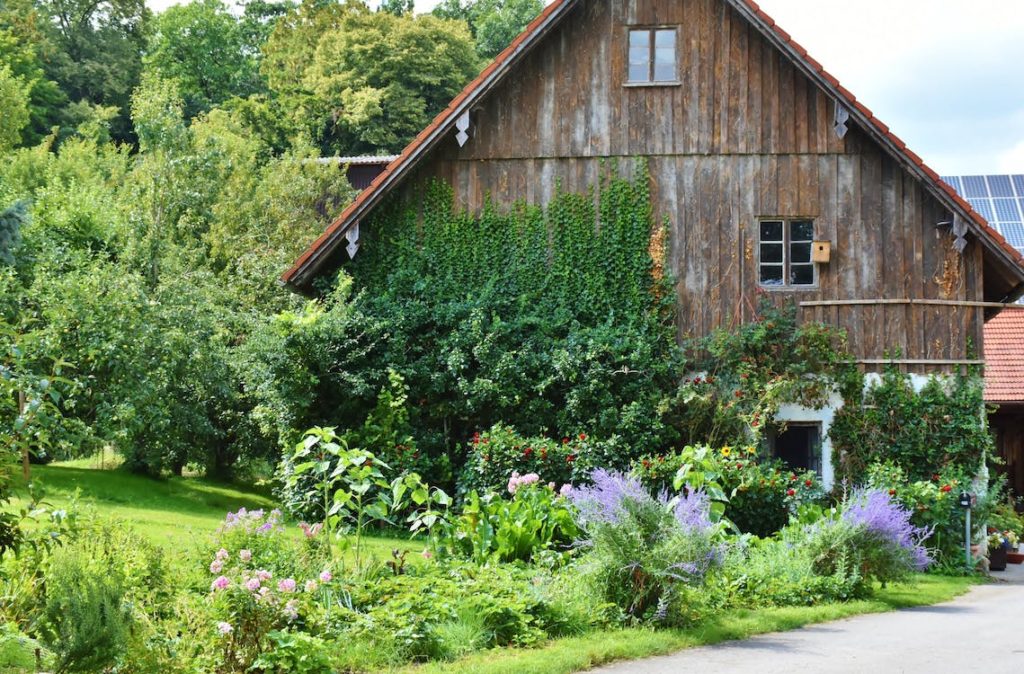
January is all about planning and preparation for the upcoming growing season. Use these cold, short days to set yourself up for success. Some suggestions:
Your success as an organic gardener is largely dependent upon the health, pH and nutrient value of your soil. Now is a great time to conduct a soil test to get a read on what you’re working with. Home use and mail-in tests are available in our stores. You may also consider reaching out to your County Cooperative Extension office to utilize their soil testing service.
For all testing methodologies, the process is simple. Samples are collected and results will tell you what your soil’s pH and nutrient value are. Nutrient values are reported as N-P-K (Nitrogen-Phosphorus-Potasium). Please note, most tests don’t report Nitrogen (N) values as they fluctuate and deteriorate over time. Some tests also indicate levels of minor nutrients. Once you have your results, you’ll know what needs to be done to optimize your soil’s capacity to support growth.
pH is important to keep in an optimal range so that nutrients are available for your plants. Many plants, and most garden vegetables, prefer a slightly acidic soil of 6.0-6.5 pH. However there are exceptions. Notably, blueberries are happiest at highly acidic 4.5-5.5 pH and Brussel Sprouts and Garlic can be comfortable above 7.0 pH in alkaline soils. Once you know your soil’s pH and the ideal level for what you plan to plant, you can make adjustments. Adding sulfur to your garden bed will lower pH and lime will raise it. Quantities to add depend upon your specific readings and are available on the product’s bag. Go ahead and adjust your soil pH now as sulfur and lime will take some time to change your soil’s pH.
N-P-K values are important because they are the primary “foods” you plants need to grow. Knowing what your levels are currently will help you in your fertilizer selection. Fertilizers, organic and otherwise, are always labeled with N-P-K values. This allows you to select a product with the ratio you need to optimize your soil. No need to fertilize yet. This can be done simultaneously with planting for fasting-acting fertilizers (generally liquid) or a few weeks before planting for slow-release formulations (generally dry…but some are faster than others so it depends and ask for help!). Remember, your soil test likely didn’t report a value for N and if it did it could have changed. Nitrogen promotes vegetative growth (green) and is important for all plants and should be included in any fertilizer regime.
Also, think through your soil structure. If it’s compacted and doesn’t drain well, it’s a good idea to mix in perlite and compost to improve drainage, air flow and even nutrient content in the case of compost. How much to add depends upon the base soil you have. As a rule of thumb, a “light and fluffy” soil mix is what you’re aiming for.
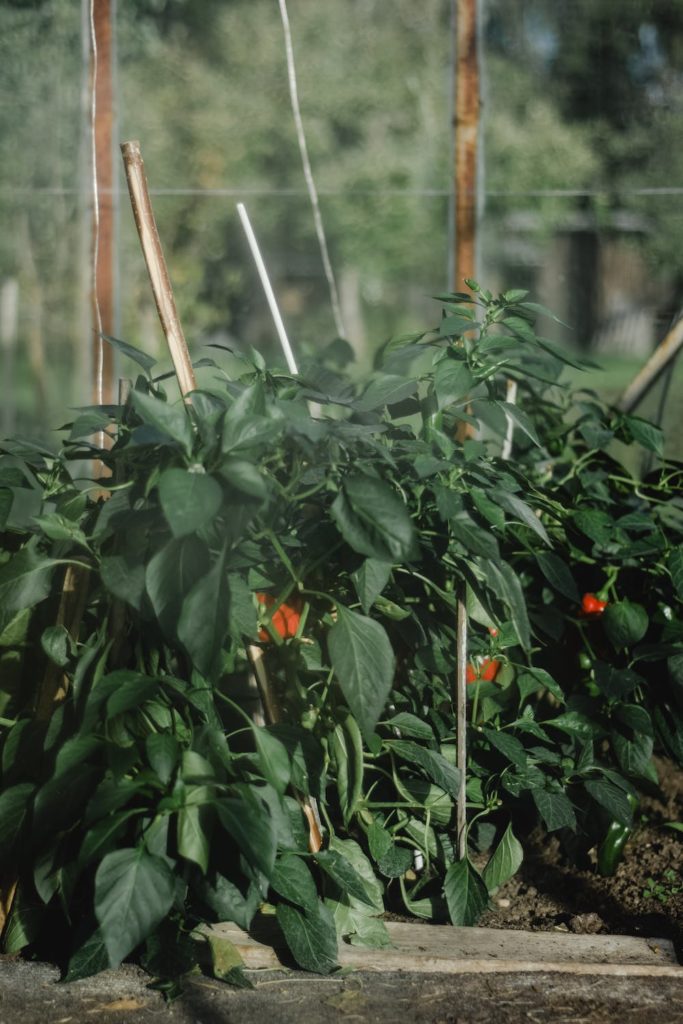
Making a game plan for what you want to grow and where is a great counterbalance to a cold winter’s day. Graph paper, a garden journal or even a spreadsheet will do the job. Start your planning for:
Crop Selection: Think of the growing season as one warm season bracketed by two cool seasons. Cool seasons, Spring and Fall, are great for leafy greens, broccoli, brussels sprouts and more. The Summer warm season is when large fruits and vegetables take center stage. Your garden can support both cool and warm season crops in the same calendar year. Deciding what to plant is the fun/hard part. We say, try lots of things! Old favorites and new experiments both have their place. Some things will work better than others in a given year so try it all and you’ll likely get a steady harvest of something great!
Crop Rotation: If you grew something last year in a space it’s best to plant something different there this year. Ideally, a 3-year rotation is best and some plants are more sensitive to repeated plantings than others. Successful crop rotation will reduce nutrient depletion as well as disease and pest pressures. Also, beware of following plants from the same family in the same space. No eggplants where the tomatoes were last year!
Crop Location: Once you have your rotation plan in place, you need to think through how well it will work once in the ground. Will your tall plants block the sun from your shorter ones? That can be a good or a bad thing depending upon what you’re growing. If your plan looks good, it’s done. If not, much better to adjust now rather than when things are in the ground!
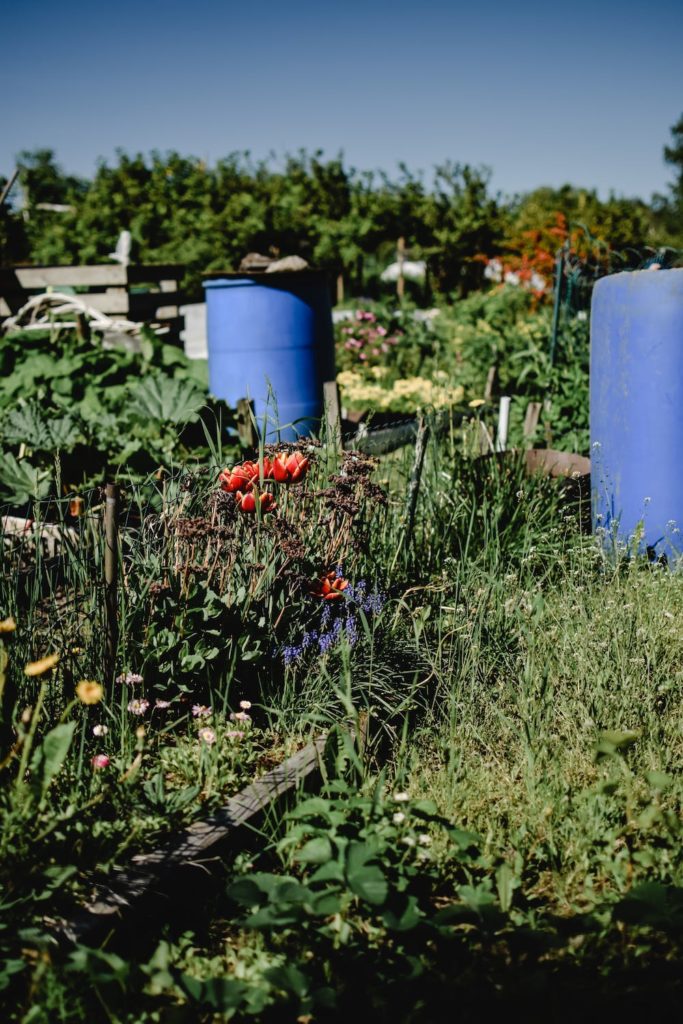
Other things to do now:
We will talk in detail about seed starting and much more!
Thank you for taking the time to read through this guide. We welcome your comments and questions. Happy gardening!
Our plan is simple. Early each month we will post an article to share our advice on what a successful organic gardener should be focused on in the given month. Our guidance is aimed towards people living in USDA Plant Hardiness Zones 7 and 8, as that is home to most of our readers. If you live outside this zone, the information is still useful but may need to be shifted in the year to align with your seasons.
We have a couple of caveats too. The guide is written as a distilled version of our best knowledge and advice. It would take library shelves of books to write everything to be known about organic gardening. We will leave that job to others. Also, while monthly posts are a great way to approach the topic, please be aware that every year and every garden is different. Tailor your own actions to your conditions for best results. For instance, if the guide says “plant veggie starts” and the forecast says “frost warning,” it’s best to heed the warning and adjust accordingly.
We hope that this series will be a valuable resource for our readers and customers. With your help it will be even better. Your comments, questions and suggestions are welcome and appreciated. Please add them in the section below. While gardening is personally rewarding, the associated knowledge sharing and community-building opportunities are just as important.
Without further delay, let’s get started!
January
January is all about planning and preparation for the upcoming growing season. Use these cold, short days to set yourself up for success. Some suggestions:
Soil Testing
Your success as an organic gardener is largely dependent upon the health, pH and nutrient value of your soil. Now is a great time to conduct a soil test to get a read on what you’re working with. Home use and mail-in tests are available in our stores. You may also consider reaching out to your County Cooperative Extension office to utilize their soil testing service.
For all testing methodologies, the process is simple. Samples are collected and results will tell you what your soil’s pH and nutrient value are. Nutrient values are reported as N-P-K (Nitrogen-Phosphorus-Potasium). Please note, most tests don’t report Nitrogen (N) values as they fluctuate and deteriorate over time. Some tests also indicate levels of minor nutrients. Once you have your results, you’ll know what needs to be done to optimize your soil’s capacity to support growth.
pH is important to keep in an optimal range so that nutrients are available for your plants. Many plants, and most garden vegetables, prefer a slightly acidic soil of 6.0-6.5 pH. However there are exceptions. Notably, blueberries are happiest at highly acidic 4.5-5.5 pH and Brussel Sprouts and Garlic can be comfortable above 7.0 pH in alkaline soils. Once you know your soil’s pH and the ideal level for what you plan to plant, you can make adjustments. Adding sulfur to your garden bed will lower pH and lime will raise it. Quantities to add depend upon your specific readings and are available on the product’s bag. Go ahead and adjust your soil pH now as sulfur and lime will take some time to change your soil’s pH.
N-P-K values are important because they are the primary “foods” you plants need to grow. Knowing what your levels are currently will help you in your fertilizer selection. Fertilizers, organic and otherwise, are always labeled with N-P-K values. This allows you to select a product with the ratio you need to optimize your soil. No need to fertilize yet. This can be done simultaneously with planting for fasting-acting fertilizers (generally liquid) or a few weeks before planting for slow-release formulations (generally dry…but some are faster than others so it depends and ask for help!). Remember, your soil test likely didn’t report a value for N and if it did it could have changed. Nitrogen promotes vegetative growth (green) and is important for all plants and should be included in any fertilizer regime.
Also, think through your soil structure. If it’s compacted and doesn’t drain well, it’s a good idea to mix in perlite and compost to improve drainage, air flow and even nutrient content in the case of compost. How much to add depends upon the base soil you have. As a rule of thumb, a “light and fluffy” soil mix is what you’re aiming for.
Garden Planning
Making a game plan for what you want to grow and where is a great counterbalance to a cold winter’s day. Graph paper, a garden journal or even a spreadsheet will do the job. Start your planning for:
Crop Selection: Think of the growing season as one warm season bracketed by two cool seasons. Cool seasons, Spring and Fall, are great for leafy greens, broccoli, brussels sprouts and more. The Summer warm season is when large fruits and vegetables take center stage. Your garden can support both cool and warm season crops in the same calendar year. Deciding what to plant is the fun/hard part. We say, try lots of things! Old favorites and new experiments both have their place. Some things will work better than others in a given year so try it all and you’ll likely get a steady harvest of something great!
Crop Rotation: If you grew something last year in a space it’s best to plant something different there this year. Ideally, a 3-year rotation is best and some plants are more sensitive to repeated plantings than others. Successful crop rotation will reduce nutrient depletion as well as disease and pest pressures. Also, beware of following plants from the same family in the same space. No eggplants where the tomatoes were last year!
Crop Location: Once you have your rotation plan in place, you need to think through how well it will work once in the ground. Will your tall plants block the sun from your shorter ones? That can be a good or a bad thing depending upon what you’re growing. If your plan looks good, it’s done. If not, much better to adjust now rather than when things are in the ground!
Other things to do now:
- Organize, maintain and/or replace your tools for the upcoming season
- Collect seed starting supplies: trays, domes, soil mix, heat mats, lights
- Prune fruits, roses, grapevines and other trees and bushes before the sap starts flowing…but not Azeleas or other Spring bloomers. They should be pruned right after the flower show!
- Take cuttings of forsythia, quince, camellia and more to force flowering inside
Looking Forward to February
We will talk in detail about seed starting and much more!
Thank you for taking the time to read through this guide. We welcome your comments and questions. Happy gardening!