M
Maya Benson
Guest
- Thread Author
- #1
That first frosty New York morning hits, your breath puffs out like a tiny cartoon cloud, and you glance at the compost pile. Last month it was steaming and humming like a busy little factory.
Now? It is just sitting there, cold and stiff, giving major hibernating-bear energy.
All summer long, that heap worked overtime turning banana peels and coffee grounds into dark, crumbly gold. Then the temperature dropped, and things got a little weird.
Here is the good news: most winter compost drama comes from a handful of simple habits, and they are easy to fix once you know what to look for.
So grab a warm mug and settle in. Your spring garden is already planning a thank-you note.
Spoiler: none of it involves electric blankets for worms.
© Homes and Gardens
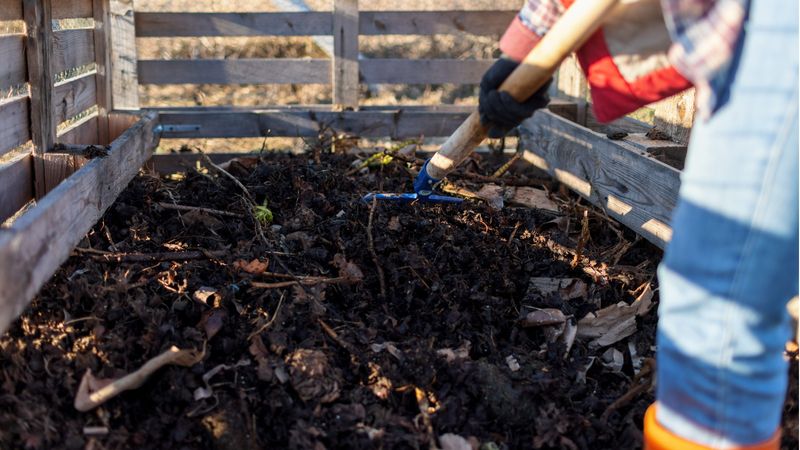
Size matters more than most folks think when the cold settles in. A tiny heap loses heat fast, much like a cup of cocoa left on a porch rail in January.
Tiny microbes do the real work inside your pile. They create warmth as they munch, but they need enough bulk around them to hold onto it.
Experts often suggest a pile at least three feet tall, three feet wide, and three feet deep. Anything smaller tends to freeze solid during a New York cold snap, and the breakdown slows to a crawl.
So what can you do? Start building up your heap in early fall, before the first hard frost hits.
Gather extra fallen leaves, garden trimmings, and kitchen scraps to bulk things up. Many neighbors bag their leaves, so ask if you can grab a few sacks.
If you have only a small amount of material, use a closed bin instead of an open heap. A bin traps heat better and keeps the center cozy.
A large, well-insulated pile can stay warmer inside than the air around it. On a frosty morning, you might even see a wisp of steam when you lift the lid of an active bin.
Bigger really is better here. Give your microbes a roomy home, and they will keep working long after the garden goes to sleep.
© Gardenista
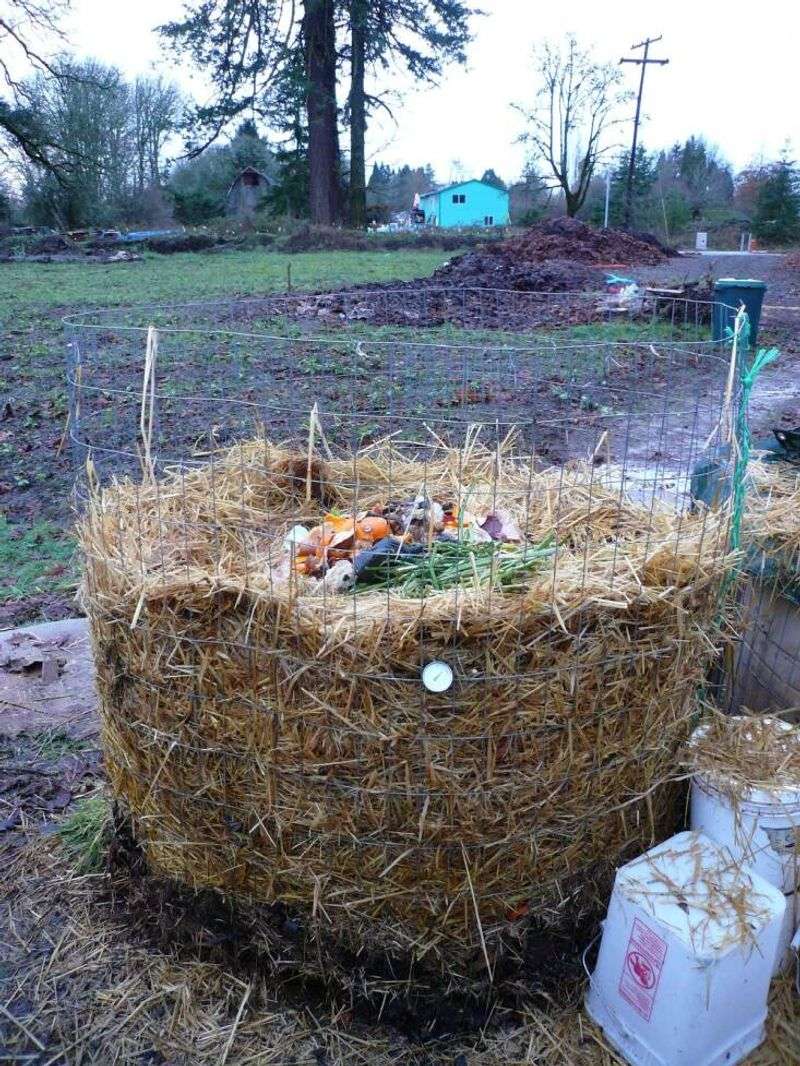
My neighbor once called her bare wire bin a winter popsicle stand, and she was not wrong. Without some protection, chilly wind slips right through the sides and steals the warmth.
Insulation acts like a puffy winter coat for your pile. It keeps the heat inside so the helpful critters stay busy.
Straw bales are a favorite choice. Stack them around the bin like building blocks, and you will notice the difference within a week or two.
Other options work well, too. Try wrapping the bin in an old blanket, burlap sacks, or thick layers of cardboard.
Some gardeners pile bagged leaves around the outside. Come spring, those leaves become fresh material to toss right in, so nothing goes to waste.
A lid or tarp on top helps a lot. Heat rises, so a cover stops it from escaping straight into the frosty New York air.
Placement counts as well. Tuck the bin against a south-facing wall or fence where it can soak up the low winter sun and stay sheltered from harsh northern winds.
None of these tricks cost much money. Most use items already sitting in your garage or shed.
With a snug wrap, your pile can keep cooking through December and beyond. Think of it as tucking your garden helpers into bed for a long, warm nap.
© Epic Gardening
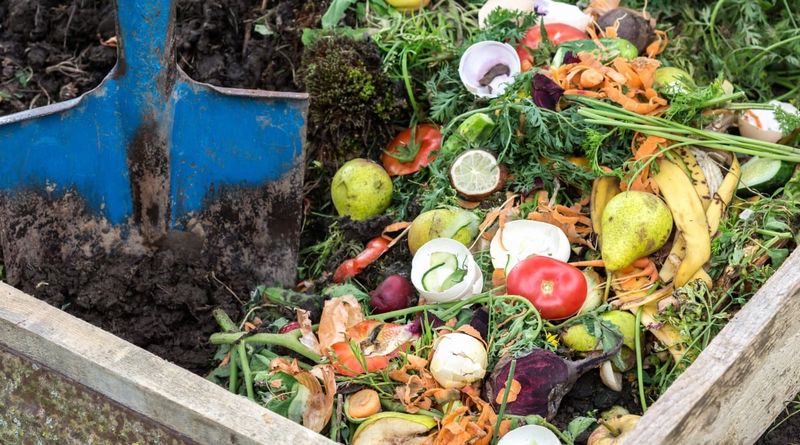
Kitchen scraps pile up fast during the holidays. Pumpkin guts, potato peels, and leftover salad all seem like ideal compost food.
Here is the catch, though. Those wet, nitrogen-rich items are called greens, and too many of them can turn a winter heap into a soggy, smelly mess.
A healthy pile needs balance. Many composting guides suggest roughly two to three parts browns, like dry leaves and shredded paper, for every one part greens.
In cold weather, greens break down slowly. They sit there, get slimy, and pack together so tightly that air cannot move through.
The result? A sour odor that might make you hold your nose every time you open the lid.
In a New York thaw, that smell can get pretty strong.
The fix is simple. Keep a bag or bin of dry leaves next to your compost all winter long.
Every time you add a bucket of kitchen scraps, toss a few handfuls of leaves on top. Think of it like adding a blanket over the food.
Shredded newspaper and plain cardboard work great when leaves run low. Just skip glossy pages with lots of colored ink.
Keeping things balanced helps your pile stay fluffy and fresh. You will end up with rich, earthy compost instead of a sticky puddle when spring finally arrives.
© Garden Betty
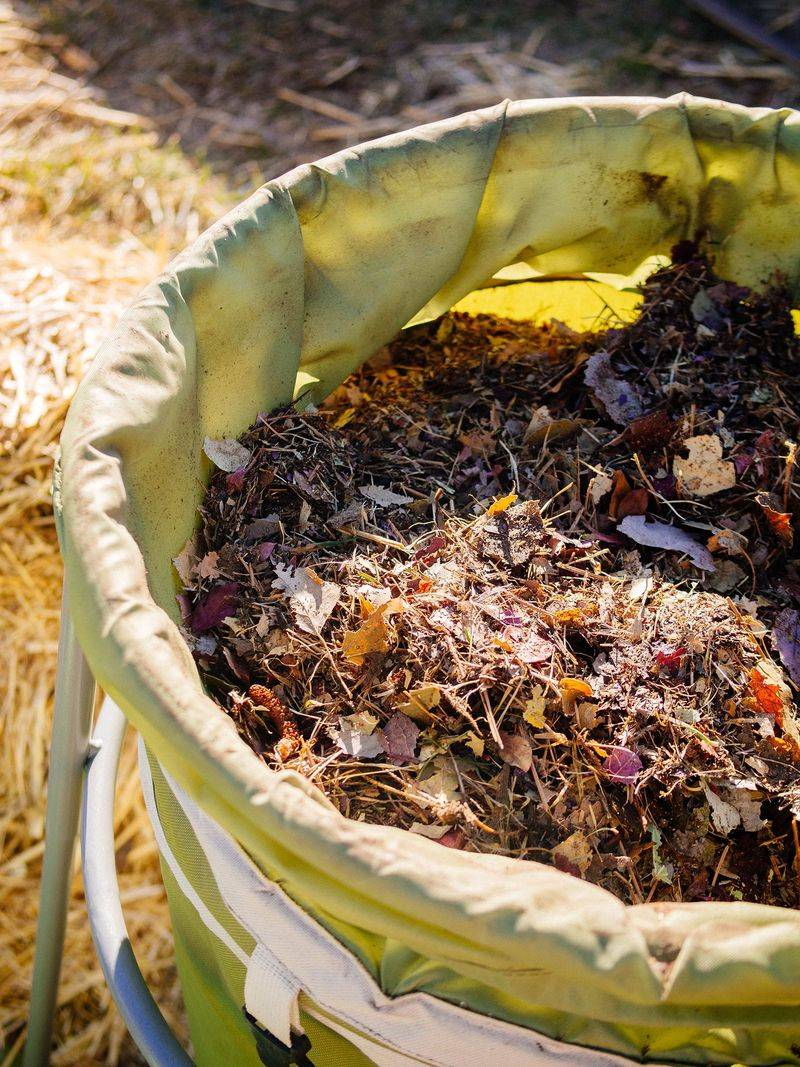
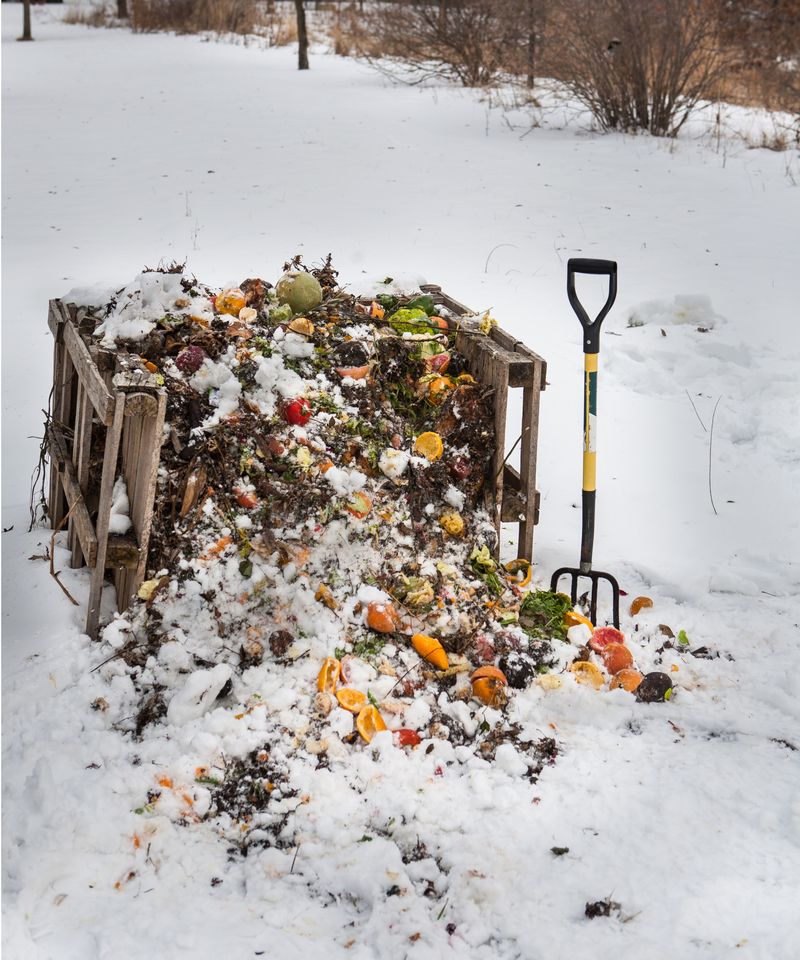
A whole cabbage head can sit in a cold pile for months looking almost brand new. Big pieces just take a long time to break down, especially when temperatures drop.
Microbes nibble from the outside in. The more surface area they can reach, the faster they work.
Chopping your scraps gives those tiny workers more places to grab on. Small bits also pack more evenly and help hold warmth inside the pile.
Try this easy habit. Keep a cutting board and an old knife near your scrap bucket, and give items a quick chop before tossing them out.
Corn cobs, melon rinds, and broccoli stems benefit the most. Cut them into pieces about the size of a quarter or smaller.
For leaves, run a lawn mower over them before raking. Shredded leaves break down much faster than whole ones, and they take up less room.
Thick branches and woody stalks are another story. They can take years to break down, so leave them out or chip them first.
Here is a fun bit of kitchen science. Freezing makes fruits and vegetables turn soft once they thaw, since ice crystals damage their cell walls.
That softer texture can give microbes an easier start when the pile warms up.
A few extra seconds of chopping now can save you months of waiting. Your spring compost will be smoother and ready sooner.
© Homes and Gardens
Squeeze a handful of good compost, and it should feel like a wrung-out sponge. Too dry, and nothing happens.
Too wet, and the pile turns into icy mush.
Winter brings both problems. Cold winds and dry air can pull moisture away, while rain, sleet, and melting snow can soak a pile to the core.
Many folks forget to check moisture once summer ends. They assume the pile will handle itself until spring.
Unfortunately, a waterlogged heap freezes into a solid brick. Air cannot get in, and the helpful microbes go quiet.
On the flip side, a bone-dry pile stops working too. Microbes need water to live and move around.
So how do you find the sweet spot? Do the squeeze test every couple of weeks, even when it is chilly.
If the pile feels soggy, mix in dry leaves, straw, or shredded cardboard to soak up extra water. Covering it with a tarp helps keep heavy New York snow and rain out.
If it feels dusty, sprinkle a little water on top during a warm spell, when the pile is not frozen.
Paying attention to moisture takes only a minute. It might be the single easiest way to keep your pile active until the robins return.
© Compost Magazine
Ever opened the oven door too many times while baking cookies? Each peek lets heat escape, and the same thing happens with compost in winter.
During warm months, turning a pile every week or so speeds things up. Fresh air feeds the microbes and keeps odors away.
Once the thermometer dips, though, the rules shift. Every turn exposes the warm center to frosty air, cooling everything down.
In a New York January, that heat might not come back for a long time. Your pile could stall until the spring thaw.
Most experienced composters ease up on turning once the cold settles in. Some stop entirely from December through February.
Instead, they focus on adding layers and keeping the heap covered. The pile works more slowly, but it holds onto its precious warmth.
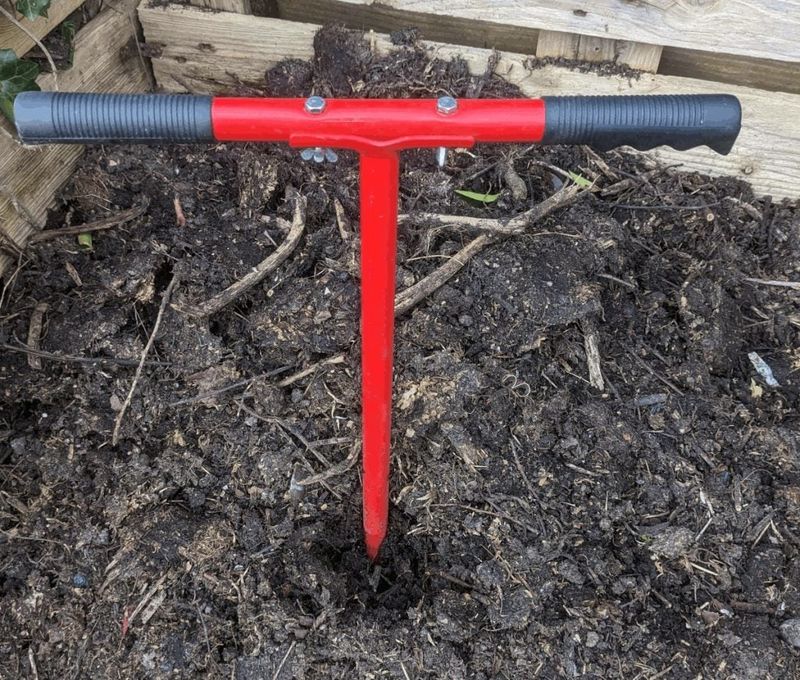
If you want to add air without a full turn, try poking a few holes with a broom handle or a compost aerator tool. That gently lets oxygen in without flipping the whole thing.
Want a handy tip? Pick a mild, sunny day if you feel the pile truly needs mixing.
Patience pays off here. Let nature do its slow, quiet work, and you will find dark, crumbly compost waiting for you when the snow melts away.
© Critter Control
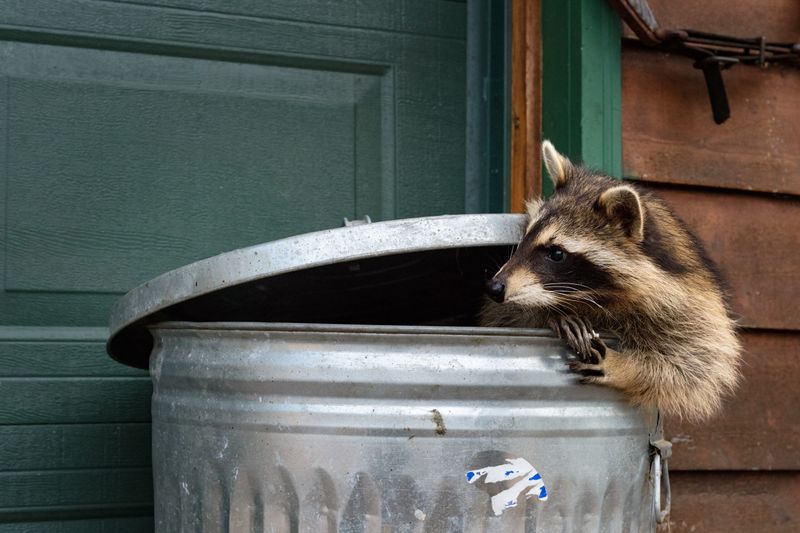
Raccoons in New York are clever little bandits. When food gets scarce in winter, an open compost bin can look like an all-you-can-eat buffet.
Meat scraps, bones, cheese, and greasy leftovers are the biggest attraction. Their smell travels far, even in cold air.
Squirrels, rats, and even neighborhood dogs might come sniffing around. Before long, your tidy pile gets dug up and scattered across the snow.
These foods also break down poorly in a backyard heap. Without high heat, they can rot and create unpleasant odors and harmful germs.
Winter piles rarely get hot enough to handle animal products safely. That makes the cold season an especially bad time to toss them in.
Stick with plant-based scraps instead. Fruit peels, veggie trimmings, coffee grounds, tea bags, and crushed eggshells all make great additions.
Got leftover meat or dairy? New York City now offers curbside composting to every resident, and it accepts meat, bones, and dairy.
The city’s Smart Composting Bins take them too, though regular drop-off sites usually do not.
Outside the city, check with your town or county about food scrap programs in your area.
A sturdy bin with a locking lid also helps keep curious critters out. Some gardeners place a sheet of hardware cloth underneath to stop digging from below.
Keeping your menu simple protects both your pile and your peace of mind. No one wants to clean up a raccoon party on a frozen morning.
© Reddit
Plenty of gardeners pack up their compost plans right after Thanksgiving. The weather turns gray, the snow piles up, and the backyard feels far away.
Walking away entirely, though, means losing months of free fertilizer. For many households outside New York City, all those kitchen scraps end up in the trash instead.
The truth is that composting keeps going in winter, just at a slower pace. Even a frozen pile gets back to work once it thaws.
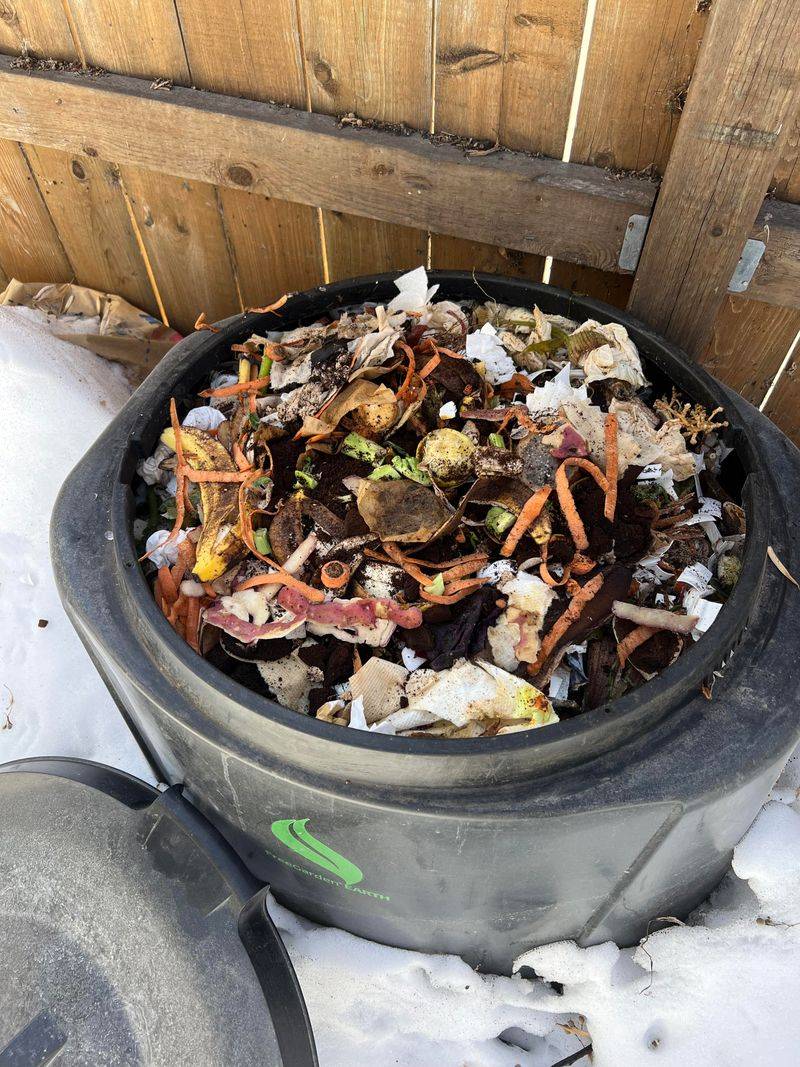
A simple routine makes it easy. Keep a lidded bucket by the back door and empty it every few days.
Shovel a small path to your bin so trips feel less like an arctic expedition. A pair of boots and a warm hat by the door helps, too.
If the trek still sounds rough, think about indoor options. Worm bins fit under a sink or in a basement and work all year long.
Bokashi buckets are another clever trick. They ferment scraps in a sealed container, and you can bury the results or add them to your pile later.
Here is something that may surprise you. Food scraps, yard waste, and food-soiled paper make up about a third of New York City’s residential trash, so every bucket you compost really adds up.
City residents are already required to separate those scraps, and curbside pickup makes it easy to stay on track all winter.
Stay with it, even on the chilliest days. When the tulips poke through, you will have a rich pile ready to feed your hungry garden beds.
The post 8 Mistakes That Ruin A Compost Pile Once New York Temperatures Drop appeared first on Positivebloom.
Now? It is just sitting there, cold and stiff, giving major hibernating-bear energy.
All summer long, that heap worked overtime turning banana peels and coffee grounds into dark, crumbly gold. Then the temperature dropped, and things got a little weird.
Here is the good news: most winter compost drama comes from a handful of simple habits, and they are easy to fix once you know what to look for.
So grab a warm mug and settle in. Your spring garden is already planning a thank-you note.
Spoiler: none of it involves electric blankets for worms.
1. Letting The Pile Shrink Too Small For Winter
© Homes and Gardens
Size matters more than most folks think when the cold settles in. A tiny heap loses heat fast, much like a cup of cocoa left on a porch rail in January.
Tiny microbes do the real work inside your pile. They create warmth as they munch, but they need enough bulk around them to hold onto it.
Experts often suggest a pile at least three feet tall, three feet wide, and three feet deep. Anything smaller tends to freeze solid during a New York cold snap, and the breakdown slows to a crawl.
So what can you do? Start building up your heap in early fall, before the first hard frost hits.
Gather extra fallen leaves, garden trimmings, and kitchen scraps to bulk things up. Many neighbors bag their leaves, so ask if you can grab a few sacks.
If you have only a small amount of material, use a closed bin instead of an open heap. A bin traps heat better and keeps the center cozy.
A large, well-insulated pile can stay warmer inside than the air around it. On a frosty morning, you might even see a wisp of steam when you lift the lid of an active bin.
Bigger really is better here. Give your microbes a roomy home, and they will keep working long after the garden goes to sleep.
2. Skipping Insulation Around Your Compost Bin
© Gardenista
My neighbor once called her bare wire bin a winter popsicle stand, and she was not wrong. Without some protection, chilly wind slips right through the sides and steals the warmth.
Insulation acts like a puffy winter coat for your pile. It keeps the heat inside so the helpful critters stay busy.
Straw bales are a favorite choice. Stack them around the bin like building blocks, and you will notice the difference within a week or two.
Other options work well, too. Try wrapping the bin in an old blanket, burlap sacks, or thick layers of cardboard.
Some gardeners pile bagged leaves around the outside. Come spring, those leaves become fresh material to toss right in, so nothing goes to waste.
A lid or tarp on top helps a lot. Heat rises, so a cover stops it from escaping straight into the frosty New York air.
Placement counts as well. Tuck the bin against a south-facing wall or fence where it can soak up the low winter sun and stay sheltered from harsh northern winds.
None of these tricks cost much money. Most use items already sitting in your garage or shed.
With a snug wrap, your pile can keep cooking through December and beyond. Think of it as tucking your garden helpers into bed for a long, warm nap.
3. Overloading Greens In A Chilly Compost Heap
© Epic Gardening
Kitchen scraps pile up fast during the holidays. Pumpkin guts, potato peels, and leftover salad all seem like ideal compost food.
Here is the catch, though. Those wet, nitrogen-rich items are called greens, and too many of them can turn a winter heap into a soggy, smelly mess.
A healthy pile needs balance. Many composting guides suggest roughly two to three parts browns, like dry leaves and shredded paper, for every one part greens.
In cold weather, greens break down slowly. They sit there, get slimy, and pack together so tightly that air cannot move through.
The result? A sour odor that might make you hold your nose every time you open the lid.
In a New York thaw, that smell can get pretty strong.
The fix is simple. Keep a bag or bin of dry leaves next to your compost all winter long.
Every time you add a bucket of kitchen scraps, toss a few handfuls of leaves on top. Think of it like adding a blanket over the food.
Shredded newspaper and plain cardboard work great when leaves run low. Just skip glossy pages with lots of colored ink.
Keeping things balanced helps your pile stay fluffy and fresh. You will end up with rich, earthy compost instead of a sticky puddle when spring finally arrives.
4. Tossing In Big Chunks Before A New York Freeze
© Garden Betty
A whole cabbage head can sit in a cold pile for months looking almost brand new. Big pieces just take a long time to break down, especially when temperatures drop.
Microbes nibble from the outside in. The more surface area they can reach, the faster they work.
Chopping your scraps gives those tiny workers more places to grab on. Small bits also pack more evenly and help hold warmth inside the pile.
Try this easy habit. Keep a cutting board and an old knife near your scrap bucket, and give items a quick chop before tossing them out.
Corn cobs, melon rinds, and broccoli stems benefit the most. Cut them into pieces about the size of a quarter or smaller.
For leaves, run a lawn mower over them before raking. Shredded leaves break down much faster than whole ones, and they take up less room.
Thick branches and woody stalks are another story. They can take years to break down, so leave them out or chip them first.
Here is a fun bit of kitchen science. Freezing makes fruits and vegetables turn soft once they thaw, since ice crystals damage their cell walls.
That softer texture can give microbes an easier start when the pile warms up.
A few extra seconds of chopping now can save you months of waiting. Your spring compost will be smoother and ready sooner.
5. Ignoring Moisture Levels During Cold Months
© Homes and Gardens
Squeeze a handful of good compost, and it should feel like a wrung-out sponge. Too dry, and nothing happens.
Too wet, and the pile turns into icy mush.
Winter brings both problems. Cold winds and dry air can pull moisture away, while rain, sleet, and melting snow can soak a pile to the core.
Many folks forget to check moisture once summer ends. They assume the pile will handle itself until spring.
Unfortunately, a waterlogged heap freezes into a solid brick. Air cannot get in, and the helpful microbes go quiet.
On the flip side, a bone-dry pile stops working too. Microbes need water to live and move around.
So how do you find the sweet spot? Do the squeeze test every couple of weeks, even when it is chilly.
If the pile feels soggy, mix in dry leaves, straw, or shredded cardboard to soak up extra water. Covering it with a tarp helps keep heavy New York snow and rain out.
If it feels dusty, sprinkle a little water on top during a warm spell, when the pile is not frozen.
Paying attention to moisture takes only a minute. It might be the single easiest way to keep your pile active until the robins return.
6. Turning Too Often When Frost Sets In
© Compost Magazine
Ever opened the oven door too many times while baking cookies? Each peek lets heat escape, and the same thing happens with compost in winter.
During warm months, turning a pile every week or so speeds things up. Fresh air feeds the microbes and keeps odors away.
Once the thermometer dips, though, the rules shift. Every turn exposes the warm center to frosty air, cooling everything down.
In a New York January, that heat might not come back for a long time. Your pile could stall until the spring thaw.
Most experienced composters ease up on turning once the cold settles in. Some stop entirely from December through February.
Instead, they focus on adding layers and keeping the heap covered. The pile works more slowly, but it holds onto its precious warmth.
If you want to add air without a full turn, try poking a few holes with a broom handle or a compost aerator tool. That gently lets oxygen in without flipping the whole thing.
Want a handy tip? Pick a mild, sunny day if you feel the pile truly needs mixing.
Patience pays off here. Let nature do its slow, quiet work, and you will find dark, crumbly compost waiting for you when the snow melts away.
7. Adding Meat And Dairy To A Winter Pile
© Critter Control
Raccoons in New York are clever little bandits. When food gets scarce in winter, an open compost bin can look like an all-you-can-eat buffet.
Meat scraps, bones, cheese, and greasy leftovers are the biggest attraction. Their smell travels far, even in cold air.
Squirrels, rats, and even neighborhood dogs might come sniffing around. Before long, your tidy pile gets dug up and scattered across the snow.
These foods also break down poorly in a backyard heap. Without high heat, they can rot and create unpleasant odors and harmful germs.
Winter piles rarely get hot enough to handle animal products safely. That makes the cold season an especially bad time to toss them in.
Stick with plant-based scraps instead. Fruit peels, veggie trimmings, coffee grounds, tea bags, and crushed eggshells all make great additions.
Got leftover meat or dairy? New York City now offers curbside composting to every resident, and it accepts meat, bones, and dairy.
The city’s Smart Composting Bins take them too, though regular drop-off sites usually do not.
Outside the city, check with your town or county about food scrap programs in your area.
A sturdy bin with a locking lid also helps keep curious critters out. Some gardeners place a sheet of hardware cloth underneath to stop digging from below.
Keeping your menu simple protects both your pile and your peace of mind. No one wants to clean up a raccoon party on a frozen morning.
8. Giving Up On Compost Until Spring Returns
Plenty of gardeners pack up their compost plans right after Thanksgiving. The weather turns gray, the snow piles up, and the backyard feels far away.
Walking away entirely, though, means losing months of free fertilizer. For many households outside New York City, all those kitchen scraps end up in the trash instead.
The truth is that composting keeps going in winter, just at a slower pace. Even a frozen pile gets back to work once it thaws.
A simple routine makes it easy. Keep a lidded bucket by the back door and empty it every few days.
Shovel a small path to your bin so trips feel less like an arctic expedition. A pair of boots and a warm hat by the door helps, too.
If the trek still sounds rough, think about indoor options. Worm bins fit under a sink or in a basement and work all year long.
Bokashi buckets are another clever trick. They ferment scraps in a sealed container, and you can bury the results or add them to your pile later.
Here is something that may surprise you. Food scraps, yard waste, and food-soiled paper make up about a third of New York City’s residential trash, so every bucket you compost really adds up.
City residents are already required to separate those scraps, and curbside pickup makes it easy to stay on track all winter.
Stay with it, even on the chilliest days. When the tulips poke through, you will have a rich pile ready to feed your hungry garden beds.
The post 8 Mistakes That Ruin A Compost Pile Once New York Temperatures Drop appeared first on Positivebloom.