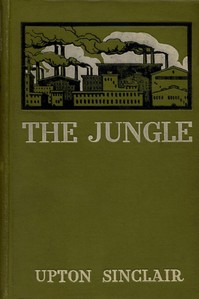
The Jungle by Upton Sinclair
Okay, let's set the scene. It's the early 1900s, and America is a beacon for immigrants. Jurgis Rudkus, strong, young, and full of optimism, arrives in Chicago with his extended family. They scrape together everything they have for a down payment on a house, dreaming of security. Their new life is in Packingtown, the sprawling, stinking heart of the meat industry.
The Story
We follow Jurgis as he gets a job in a slaughterhouse. The work is back-breaking and dangerous. The family quickly learns that every promise made to them is a lie—the house is a scam, the wages are pitiful, and the working conditions are inhuman. One by one, tragedy strikes. Family members are injured, fall ill from rotten food, or are driven to desperate acts. Jurgis watches his dream disintegrate as the system exploits his labor, steals his money, and destroys his family. His journey takes him from determined provider to broken wanderer, touching the darkest corners of urban poverty before a glimmer of political awakening offers a different kind of hope.
Why You Should Read It
This book hits you in the gut. Seriously. Sinclair doesn't just tell you the factories were bad; he makes you smell the blood, feel the freezing cold, and hear the constant, deafening noise. You live Jurgis's despair as his strength becomes useless against invisible forces of greed and corruption. While the famous takeaway was the expose of unsanitary food practices (which led directly to new federal laws!), the real, lasting impact is the human story. It's about how hope can be weaponized against people, and how easily a person can be ground down when profit matters more than life. It’s angry, it’s graphic, and it refuses to let you look away.
Final Verdict
Read this if you love stories that feel urgent and real, if you're interested in how books can actually change the world, or if you think historical fiction should be more than just fancy costumes. It's perfect for fans of socially conscious novels like Steinbeck's The Grapes of Wrath. Be warned: it's not a cheerful read. But it is a profoundly important and gripping one that will stick with you long after the last page, maybe even the next time you're at the grocery store.
The copyright for this book has expired, making it public property. Share knowledge freely with the world.