About 62 minutes
The Angels of Mons: The Bowmen and Other Legends of the War — A Reader’s Guide
Young Readers Enchanted Adventures
14,041 recorded words. 4 minutes difference from this book's estimate.
View Gutenberg source #14044
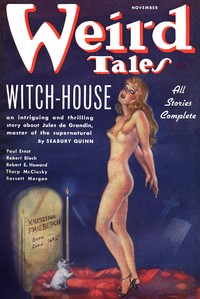
For Black hound of death — Key Ideas to Explore, the stored edition analysis reports 13,270 words, 58 min estimated reading time, and 2 detected text sections.
The text analysis averages about 16.4 words per sentence, while the detected sections provide another way to judge how the source is divided.
Project Gutenberg metadata also associates the work with “Fantasy fiction,” connecting these edition facts with the source record’s subject description.
Explore this collection
These alternatives are selected using recorded categories and estimated reading time.
About 62 minutes
Young Readers Enchanted Adventures
14,041 recorded words. 4 minutes difference from this book's estimate.
View Gutenberg source #14044About 65 minutes
Young Readers Enchanted Adventures
14,745 recorded words. 7 minutes difference from this book's estimate.
View Gutenberg source #36497About 46 minutes
Young Readers Enchanted Adventures
10,579 recorded words. 12 minutes difference from this book's estimate.
View Gutenberg source #21914Search stored excerpts and compare books → Choose by your preferences →
Choices use stored catalog measurements. Estimates vary with reading speed. A shared category is a catalog label, not a claim that two books have the same argument or literary quality.
Search reads excerpt text stored with this catalog and links to its associated Gutenberg record. The connection is stored in the site database; this tool does not recheck that every excerpt is word-for-word identical to that external record. Excerpt search does not cover every chapter and does not verify historical publication dates.
Catalog snapshot checked: 2026-09-25. Coverage: 100 public books, 100 available source excerpts.
Read the complete public-domain text at its original source.
Read on Project GutenbergThe story begins with a first-person narrator moving through the dense pine woods at night, a setting Howard calls 'Egypt' for reasons left obscure. The prose immediately establishes a mood of acute alertness: the narrator listens for 'the snap of a twig under a great, splay foot' and fears a human killer, Tope Braxton, more than any ghost. This opening section is rich in sensory detail—'walls of solid ebony,' 'knife-edge alertness'—and the voice is that of a woods-wise man who knows the terrain and its dangers. The pace is deliberate, building tension through the narrator's internal reflections and the distant baying of bloodhounds.
The tale is told by a first-person narrator named Kirby Garfield, who speaks in a colloquial, direct manner. His voice is that of a practical man thrust into uncanny events. Howard uses this perspective to ground the supernatural in a recognizable world: the narrator's thoughts about 'Egypt' and the 'negroes' superstitions' create a layered sense of place. The language is vivid but not ornate, with short, punchy sentences during action and longer, more reflective passages when the narrator is alone. This contrast in pace mirrors the shift from suspense to confrontation.
The antagonist, Adam Grimm, is described as a werewolf through the dialogue of Tope Braxton, the escaped convict. Braxton's speech is rendered in dialect: 'Mistuh Grimm ain't a human bein'. He stan' up and walk like a man, but he part hound, or wolf.' This revelation comes in a tense scene where the narrator is bound and helpless. The dialogue is sharp and menacing, with Braxton's grin and squinting along a pistol barrel heightening the danger. Howard uses the narrator's quick thinking—a bluff about a cross scratched on handcuffs—to shift the power dynamic, introducing folklore as a plot device.
The narrative alternates between slow, atmospheric buildup and sudden, violent action. The opening pages are almost meditative, with the narrator's cautious progress through the woods. This changes abruptly when he is ambushed, and the pace accelerates into a series of confrontations. The excerpt shows a pattern: a moment of stillness (the narrator lying bound) is broken by Braxton's monologue and the threat of execution. Howard controls rhythm by varying sentence length—long, descriptive sentences in the woods give way to terse, urgent lines like 'Shut up!' and 'So yo' leg's busted!'
Readers should pay attention to how Howard uses the first-person narrator to mediate between the mundane and the supernatural. The story's effectiveness depends on the tension between the narrator's rational explanations and the growing evidence of something inhuman. The werewolf element is introduced late, through dialogue rather than direct description, which keeps the focus on human fear and cunning.
I finished Black Hound of Death late last night, and that raw, pine-dark dread stayed with me for hours. It reminded me, oddly, of how another book lingered—The Poor Little Rich Girl — Reading Notes—not the violence, but that quiet feeling of being trapped in a world that doesn't see you coming. Both left a soft ache behind.
Answer a few questions and save a private reflection on this device.









