M
Mirella Vance
Guest
- Thread Author
- #1
Every garden slug is both male and female. That means any two slugs that meet can mate, and each one may lay hundreds of eggs over a single season. That’s a big reason why a few slugs can suddenly turn into a slimy invasion.
Fall is prime time for them in Pennsylvania. Cool nights, frequent rain, and damp piles of fallen leaves create exactly the kind of moist conditions slugs love.
During the day, they hide under mulch, boards, and leaf litter. At night, they come out to chew ragged holes in hostas, lettuce, and late-season flowers, leaving shiny trails behind.
There’s more going on than a midnight snack, though. Many slugs lay clusters of eggs in the soil this time of year, setting up next spring’s population.
What’s happening in your yard now can tell you a lot about the slug season ahead.
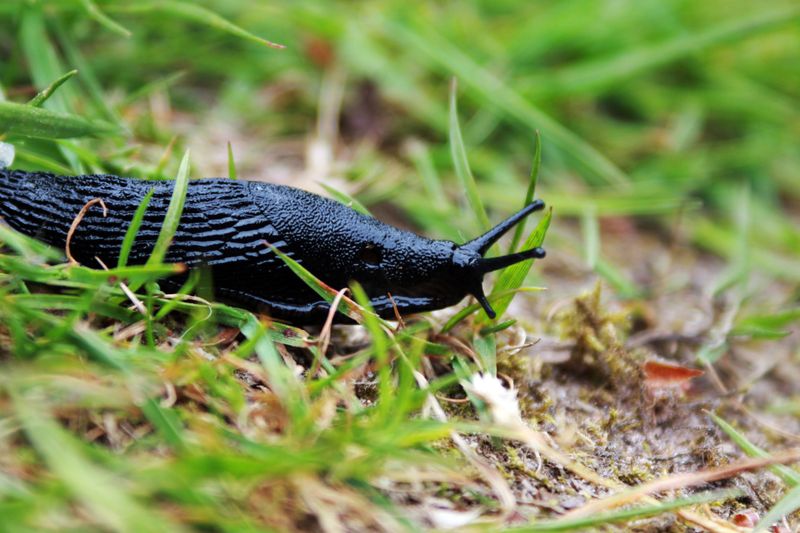
Image Credit: © Leon Woods / Pexels
Think of a slug as a tiny water balloon with a mouth. Its soft body is mostly water, and it has no shell to keep that water inside. That simple fact explains a lot about why your yard is suddenly full of them.
Slugs lose moisture through their skin all the time. On a dry, sunny day, they can shrivel up fast if they stay out in the open. So they look for places that stay damp, and they come out when the air is wet.
Fall in Pennsylvania is a dream season for slugs. Rainy spells roll through often, and heavy dew coats lawns almost every morning.
The ground stays wet longer because the sun is lower and weaker. All of that moisture lets slugs travel farther and feed longer than they could in July.
Here is a fun fact. The slime slugs leave behind actually helps them hold onto water and glide over rough surfaces. Making that slime takes a lot of moisture, so they need wet surroundings to keep producing it.
So what can you do? You cannot stop the rain, but you can notice where water collects. Look for low spots in the lawn, leaky hoses, and clogged gutters that dump water near garden beds. Fixing those small problems can dry out slug hot spots.
You can also check your yard after a rainstorm at night with a flashlight. You will likely see where slugs gather most. Those areas tell you exactly where moisture is building up.
Once you know the wet zones, you can focus your efforts there instead of guessing. A drier yard is simply less friendly to slugs.
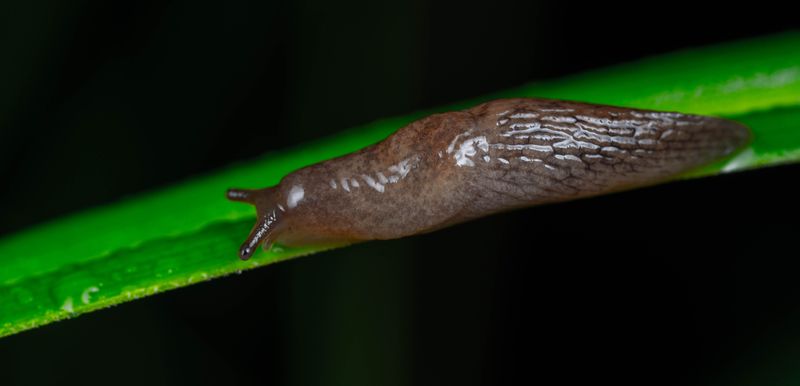
Image Credit: © Egor Kamelev / Pexels
Grab a flashlight and take a walk around your garden at 10 p.m. in October. You might be shocked by what you find. Slugs that were nowhere in sight during the day are suddenly everywhere.
Slugs are night owls of the garden world. They prefer cool, humid air because it keeps their bodies from drying out. Hot sun and dry wind are their biggest enemies, so they wait for darkness before heading out to eat.
Fall gives them the best of both worlds. Days are often mild, so the soil stays comfortable. Then evenings cool down, and humidity rises.
That combo creates long stretches of perfect slug weather, sometimes lasting from sunset until well after sunrise on cloudy mornings.
Summer nights in Pennsylvania can be warm and sticky, but they are shorter. In fall, nights get longer every week. More darkness means more hours for slugs to crawl, munch, and explore your flower beds.
You can use their schedule to your advantage. Head out an hour or two after dark with gloves and a bucket of soapy water.
Pick slugs off plants and drop them in. It sounds a little gross, but it works well, especially if you do it a few nights in a row.
Another easy trick is setting out a flat board in the evening. By morning, slugs often crawl underneath to hide from daylight. Flip it over and remove them. Kids usually love helping with this one.
Working with their nightly habits is one of the simplest ways to cut their numbers without spending money.
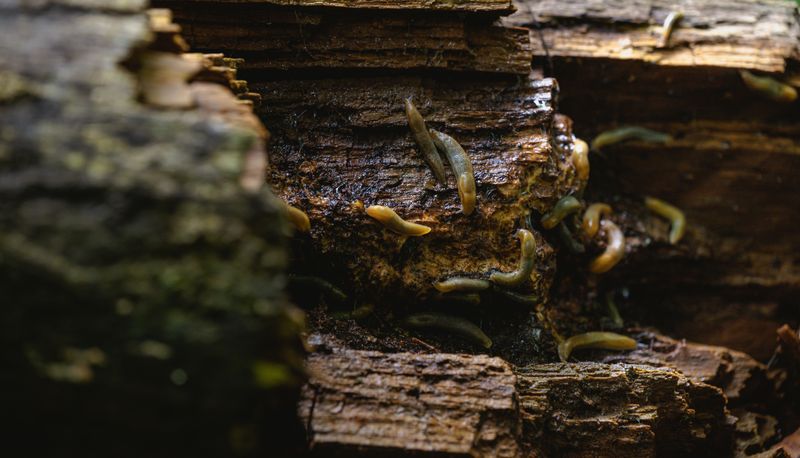
Image Credit: © Chris F / Pexels
Lift a wet board in your yard, and there is a good chance a slug family is having a sleepover under it. Slugs are expert hiders. During the day, they tuck themselves into any cool, dark, damp place they can find.
Your fall yard is packed with these spots. Thick layers of mulch hold moisture like a sponge. Piles of fallen leaves create a cozy blanket.
Stones, bricks, pots, and old boards trap dampness underneath. Dense groundcovers like ivy or pachysandra make shady tunnels that stay wet all day.
After the first frost, things get even better for slugs. Hosta leaves collapse into soft, soggy heaps. Tomato vines, squash plants, and annual flowers fall over and start to rot. All that plant debris becomes a slug shelter right next to their food.
Why does this matter so much? A slug that has a safe place to rest close to dinner can stick around and multiply. If hiding spots are far away, fewer slugs survive the trip.
Start by walking your yard and looking low. Check under pots, along edges of beds, and beneath anything lying flat on the ground. Move or remove items you do not need, like old lumber or stacks of empty containers.
Thin out mulch near plants slugs love. One or two inches is plenty, and keeping it pulled back a bit from stems helps. Trim groundcovers away from garden edges too. You do not have to make your yard bare.
Just reduce the number of easy, damp hideouts, and slugs will have a much harder time settling in.
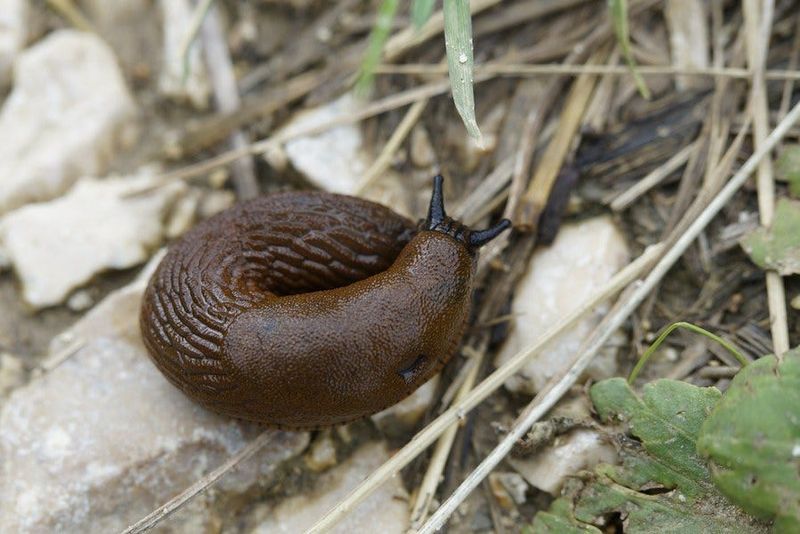
© Penn State Extension
Here is something many gardeners never realize. The slugs you see in fall are not just eating. A lot of them are also getting ready for the next generation.
Many common slugs in Pennsylvania lay eggs in the fall. The eggs are tiny, round, and look a bit like little pearls or beads of gel. They can be clear, whitish, or slightly cloudy. You usually find them in clusters of about a dozen or more.
Slugs are sneaky about where they put them. They tuck eggs into loose soil, under mulch, beneath rotting leaves, and under boards or stones.
Those spots stay moist and protected through the cold months. When spring warms the ground, the eggs hatch, and baby slugs start feeding right away.
Did you know that most slugs have both male and female parts? That means almost every adult slug can lay eggs. A single slug may lay hundreds of eggs over its life. It is easy to see how a small fall problem turns into a big spring one.
The upside is that eggs are easy to destroy once you find them. When you rake or turn soil in fall, keep an eye out for those little clusters.
Scoop them up and toss them in the trash, or leave them exposed on a dry surface where birds can find them.
Lightly working the top inch of soil in empty beds can also expose eggs to cold air and hungry critters. Every cluster you remove now is one less crowd of slugs chewing your seedlings next April.
© The Patriot-News
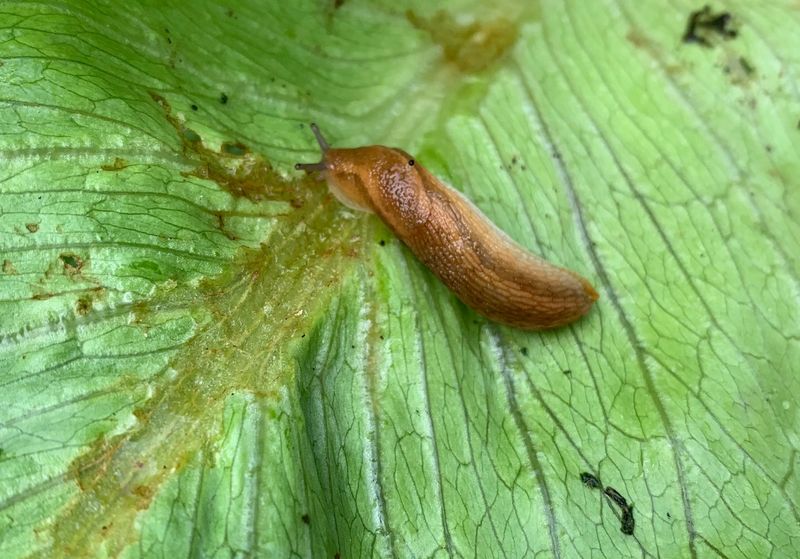
Your lettuce looked perfect last night. This morning, it looks like someone attacked it with a hole punch. Welcome to the slug buffet.
Slugs have favorite foods, and many of them grow best in fall. Cool-season crops like lettuce, spinach, kale, and chard have soft, tender leaves that are easy to chew.
Fall strawberries are another treat they cannot resist. In shady flower beds, hostas are basically candy to them.
How can you tell slugs are the culprits? Look for ragged, uneven holes, often in the middle of leaves instead of just the edges. Then check for shiny, silvery trails on leaves, soil, or nearby paths.
Those slime trails are the calling card that gives them away. Caterpillars leave droppings, but slugs leave that glossy shine.
Young seedlings are in the most danger. A few hungry slugs can wipe out a row of baby greens in one night. Bigger plants usually survive but end up looking chewed and sad.
So what helps? Try planting tougher or less tasty options in problem areas. Herbs like rosemary and thyme, ornamental grasses, and plants with fuzzy or strong-smelling leaves tend to get left alone. Some hosta types with thick, waxy leaves also hold up better.
For crops you really love, use barriers. Copper tape around raised beds gives slugs a mild zap they avoid.
A shallow dish of beer sunk into the soil will attract and trap them overnight. Harvest greens often, and pick up fallen fruit quickly. The less free food lying around, the less reason slugs have to stay.
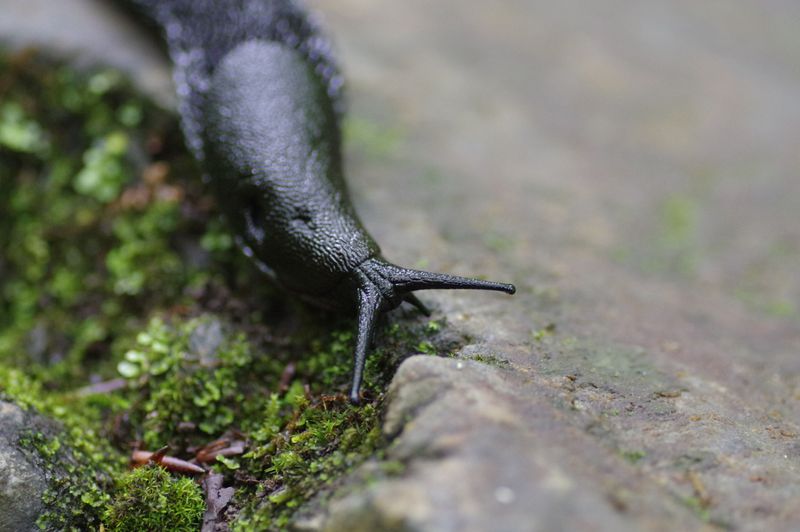
Image Credit: © Tom / Pexels
Every yard has that one corner. It stays soggy days after a rain, moss creeps across the ground, and somehow it always feels a little chilly. If slugs had a favorite neighborhood, that would be it.
Overwatered beds, heavy clay soil, and spots that never get much sun can stay wet for a long time. Pennsylvania has plenty of clay soil, which drains slowly.
Add shade from trees or buildings, and the ground may barely dry out at all in fall. For slugs, that is like a permanent spa.
Watering habits play a huge role too. Many people water in the evening after work. It feels relaxing, but it leaves the soil soaked right as slugs wake up for the night. You are basically rolling out a wet welcome mat.
A simple switch can make a real difference. Water in the morning instead. The sun and breeze then have all day to dry the surface. By nighttime, the top layer of soil is drier and much less comfy for slugs crawling around.
In fall, you may not need to water much anyway. Stick a finger an inch into the soil. If it feels damp, skip watering that day.
For problem spots, think about bigger fixes. Mix compost into clay soil to help it drain better. Point downspouts away from garden beds. Trim low branches to let in more light and air.
Soaker hoses or drip lines also help by watering roots without wetting leaves and paths. Drier ground means fewer slugs, plain and simple.
© Simple Garden Life
Good news! Slugs have a lot of enemies, and you can recruit them. Pair that natural help with a solid fall cleanup, and you set your yard up for a much calmer spring.
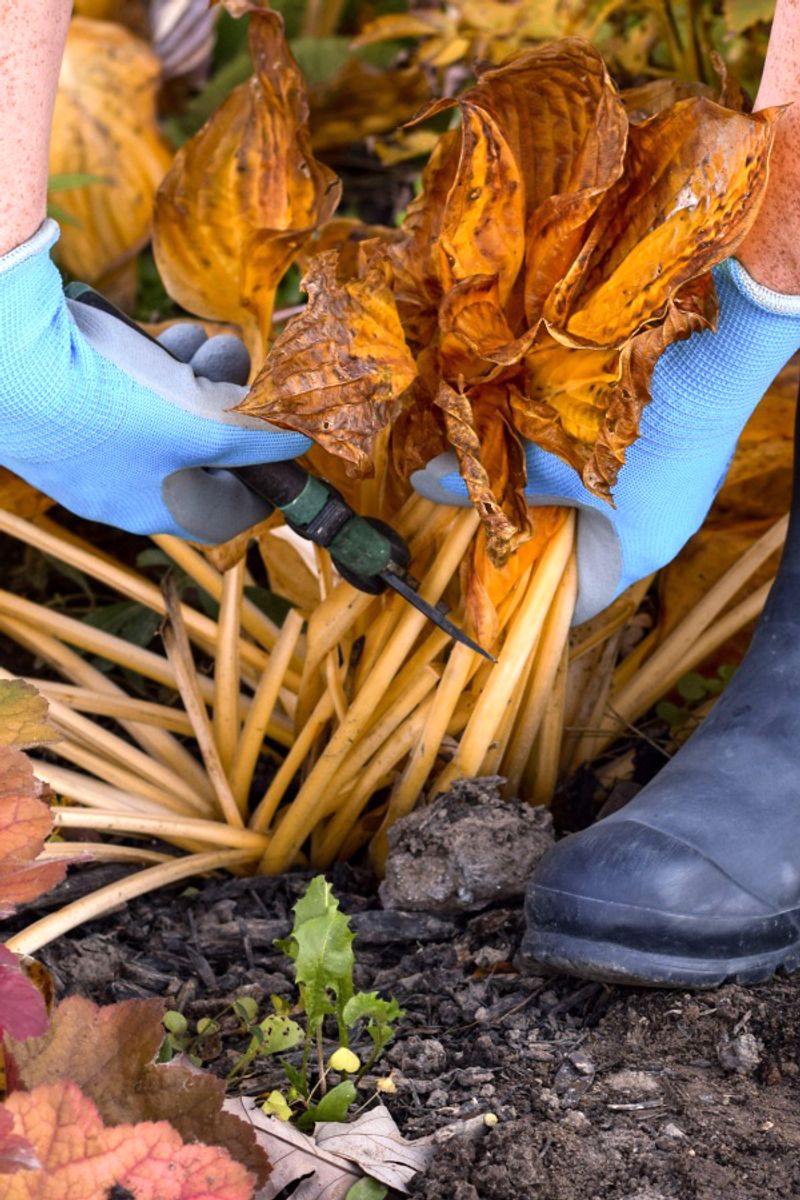
Start with the cleanup. Pull out spent vegetable plants and cut back collapsed hostas and other soggy foliage.
Rake leaf piles away from garden beds, especially those touching your favorite plants. You can still use leaves elsewhere, like in a compost bin or under trees far from the garden.
Clear away boards, extra pots, and clutter near beds too. Fewer hiding spots before winter means fewer slugs and eggs surviving until spring.
Now meet your helpers. Ground beetles are shiny black bugs that hunt slugs at night. Toads can gobble dozens in one evening. Birds like robins and thrushes snack on slugs and their eggs. Even garter snakes join in.
To invite these allies, skip broad pesticides that harm good bugs. Leave a small brush pile or stone area far from your veggies for beetles and toads to shelter in. A shallow dish of water and a few shrubs can attract birds.
Sometimes slugs still win a round. When that happens, baits made with iron phosphate are a smart choice.
They are considered much safer around pets, birds, and wildlife than older slug baits. Sprinkle a small amount around plants, following the label closely.
Fun fact: leftover iron phosphate bait breaks down into nutrients plants can use. A little fall effort, plus help from nature, can keep your yard healthier when the slugs try to return next year.
The post What It Means When Slugs Take Over Your Pennsylvania Yard In Fall appeared first on Positivebloom.
Fall is prime time for them in Pennsylvania. Cool nights, frequent rain, and damp piles of fallen leaves create exactly the kind of moist conditions slugs love.
During the day, they hide under mulch, boards, and leaf litter. At night, they come out to chew ragged holes in hostas, lettuce, and late-season flowers, leaving shiny trails behind.
There’s more going on than a midnight snack, though. Many slugs lay clusters of eggs in the soil this time of year, setting up next spring’s population.
What’s happening in your yard now can tell you a lot about the slug season ahead.
1. Your Yard Has Plenty Of Moisture
Image Credit: © Leon Woods / Pexels
Think of a slug as a tiny water balloon with a mouth. Its soft body is mostly water, and it has no shell to keep that water inside. That simple fact explains a lot about why your yard is suddenly full of them.
Slugs lose moisture through their skin all the time. On a dry, sunny day, they can shrivel up fast if they stay out in the open. So they look for places that stay damp, and they come out when the air is wet.
Fall in Pennsylvania is a dream season for slugs. Rainy spells roll through often, and heavy dew coats lawns almost every morning.
The ground stays wet longer because the sun is lower and weaker. All of that moisture lets slugs travel farther and feed longer than they could in July.
Here is a fun fact. The slime slugs leave behind actually helps them hold onto water and glide over rough surfaces. Making that slime takes a lot of moisture, so they need wet surroundings to keep producing it.
So what can you do? You cannot stop the rain, but you can notice where water collects. Look for low spots in the lawn, leaky hoses, and clogged gutters that dump water near garden beds. Fixing those small problems can dry out slug hot spots.
You can also check your yard after a rainstorm at night with a flashlight. You will likely see where slugs gather most. Those areas tell you exactly where moisture is building up.
Once you know the wet zones, you can focus your efforts there instead of guessing. A drier yard is simply less friendly to slugs.
2. Cool Nights Are Bringing Them Out
Image Credit: © Egor Kamelev / Pexels
Grab a flashlight and take a walk around your garden at 10 p.m. in October. You might be shocked by what you find. Slugs that were nowhere in sight during the day are suddenly everywhere.
Slugs are night owls of the garden world. They prefer cool, humid air because it keeps their bodies from drying out. Hot sun and dry wind are their biggest enemies, so they wait for darkness before heading out to eat.
Fall gives them the best of both worlds. Days are often mild, so the soil stays comfortable. Then evenings cool down, and humidity rises.
That combo creates long stretches of perfect slug weather, sometimes lasting from sunset until well after sunrise on cloudy mornings.
Summer nights in Pennsylvania can be warm and sticky, but they are shorter. In fall, nights get longer every week. More darkness means more hours for slugs to crawl, munch, and explore your flower beds.
You can use their schedule to your advantage. Head out an hour or two after dark with gloves and a bucket of soapy water.
Pick slugs off plants and drop them in. It sounds a little gross, but it works well, especially if you do it a few nights in a row.
Another easy trick is setting out a flat board in the evening. By morning, slugs often crawl underneath to hide from daylight. Flip it over and remove them. Kids usually love helping with this one.
Working with their nightly habits is one of the simplest ways to cut their numbers without spending money.
3. They Have Plenty Of Places To Hide
Image Credit: © Chris F / Pexels
Lift a wet board in your yard, and there is a good chance a slug family is having a sleepover under it. Slugs are expert hiders. During the day, they tuck themselves into any cool, dark, damp place they can find.
Your fall yard is packed with these spots. Thick layers of mulch hold moisture like a sponge. Piles of fallen leaves create a cozy blanket.
Stones, bricks, pots, and old boards trap dampness underneath. Dense groundcovers like ivy or pachysandra make shady tunnels that stay wet all day.
After the first frost, things get even better for slugs. Hosta leaves collapse into soft, soggy heaps. Tomato vines, squash plants, and annual flowers fall over and start to rot. All that plant debris becomes a slug shelter right next to their food.
Why does this matter so much? A slug that has a safe place to rest close to dinner can stick around and multiply. If hiding spots are far away, fewer slugs survive the trip.
Start by walking your yard and looking low. Check under pots, along edges of beds, and beneath anything lying flat on the ground. Move or remove items you do not need, like old lumber or stacks of empty containers.
Thin out mulch near plants slugs love. One or two inches is plenty, and keeping it pulled back a bit from stems helps. Trim groundcovers away from garden edges too. You do not have to make your yard bare.
Just reduce the number of easy, damp hideouts, and slugs will have a much harder time settling in.
4. They Are Laying Eggs For Next Year
© Penn State Extension
Here is something many gardeners never realize. The slugs you see in fall are not just eating. A lot of them are also getting ready for the next generation.
Many common slugs in Pennsylvania lay eggs in the fall. The eggs are tiny, round, and look a bit like little pearls or beads of gel. They can be clear, whitish, or slightly cloudy. You usually find them in clusters of about a dozen or more.
Slugs are sneaky about where they put them. They tuck eggs into loose soil, under mulch, beneath rotting leaves, and under boards or stones.
Those spots stay moist and protected through the cold months. When spring warms the ground, the eggs hatch, and baby slugs start feeding right away.
Did you know that most slugs have both male and female parts? That means almost every adult slug can lay eggs. A single slug may lay hundreds of eggs over its life. It is easy to see how a small fall problem turns into a big spring one.
The upside is that eggs are easy to destroy once you find them. When you rake or turn soil in fall, keep an eye out for those little clusters.
Scoop them up and toss them in the trash, or leave them exposed on a dry surface where birds can find them.
Lightly working the top inch of soil in empty beds can also expose eggs to cold air and hungry critters. Every cluster you remove now is one less crowd of slugs chewing your seedlings next April.
5. Your Fall Plants Are An Easy Meal
© The Patriot-News
Your lettuce looked perfect last night. This morning, it looks like someone attacked it with a hole punch. Welcome to the slug buffet.
Slugs have favorite foods, and many of them grow best in fall. Cool-season crops like lettuce, spinach, kale, and chard have soft, tender leaves that are easy to chew.
Fall strawberries are another treat they cannot resist. In shady flower beds, hostas are basically candy to them.
How can you tell slugs are the culprits? Look for ragged, uneven holes, often in the middle of leaves instead of just the edges. Then check for shiny, silvery trails on leaves, soil, or nearby paths.
Those slime trails are the calling card that gives them away. Caterpillars leave droppings, but slugs leave that glossy shine.
Young seedlings are in the most danger. A few hungry slugs can wipe out a row of baby greens in one night. Bigger plants usually survive but end up looking chewed and sad.
So what helps? Try planting tougher or less tasty options in problem areas. Herbs like rosemary and thyme, ornamental grasses, and plants with fuzzy or strong-smelling leaves tend to get left alone. Some hosta types with thick, waxy leaves also hold up better.
For crops you really love, use barriers. Copper tape around raised beds gives slugs a mild zap they avoid.
A shallow dish of beer sunk into the soil will attract and trap them overnight. Harvest greens often, and pick up fallen fruit quickly. The less free food lying around, the less reason slugs have to stay.
6. Some Areas Stay Too Wet
Image Credit: © Tom / Pexels
Every yard has that one corner. It stays soggy days after a rain, moss creeps across the ground, and somehow it always feels a little chilly. If slugs had a favorite neighborhood, that would be it.
Overwatered beds, heavy clay soil, and spots that never get much sun can stay wet for a long time. Pennsylvania has plenty of clay soil, which drains slowly.
Add shade from trees or buildings, and the ground may barely dry out at all in fall. For slugs, that is like a permanent spa.
Watering habits play a huge role too. Many people water in the evening after work. It feels relaxing, but it leaves the soil soaked right as slugs wake up for the night. You are basically rolling out a wet welcome mat.
A simple switch can make a real difference. Water in the morning instead. The sun and breeze then have all day to dry the surface. By nighttime, the top layer of soil is drier and much less comfy for slugs crawling around.
In fall, you may not need to water much anyway. Stick a finger an inch into the soil. If it feels damp, skip watering that day.
For problem spots, think about bigger fixes. Mix compost into clay soil to help it drain better. Point downspouts away from garden beds. Trim low branches to let in more light and air.
Soaker hoses or drip lines also help by watering roots without wetting leaves and paths. Drier ground means fewer slugs, plain and simple.
7. It Is Time For Fall Cleanup And Natural Help
© Simple Garden Life
Good news! Slugs have a lot of enemies, and you can recruit them. Pair that natural help with a solid fall cleanup, and you set your yard up for a much calmer spring.
Start with the cleanup. Pull out spent vegetable plants and cut back collapsed hostas and other soggy foliage.
Rake leaf piles away from garden beds, especially those touching your favorite plants. You can still use leaves elsewhere, like in a compost bin or under trees far from the garden.
Clear away boards, extra pots, and clutter near beds too. Fewer hiding spots before winter means fewer slugs and eggs surviving until spring.
Now meet your helpers. Ground beetles are shiny black bugs that hunt slugs at night. Toads can gobble dozens in one evening. Birds like robins and thrushes snack on slugs and their eggs. Even garter snakes join in.
To invite these allies, skip broad pesticides that harm good bugs. Leave a small brush pile or stone area far from your veggies for beetles and toads to shelter in. A shallow dish of water and a few shrubs can attract birds.
Sometimes slugs still win a round. When that happens, baits made with iron phosphate are a smart choice.
They are considered much safer around pets, birds, and wildlife than older slug baits. Sprinkle a small amount around plants, following the label closely.
Fun fact: leftover iron phosphate bait breaks down into nutrients plants can use. A little fall effort, plus help from nature, can keep your yard healthier when the slugs try to return next year.
The post What It Means When Slugs Take Over Your Pennsylvania Yard In Fall appeared first on Positivebloom.