L
Liam Prescott
Guest
- Thread Author
- #1
Apple fruit is mostly water, yet each drop on the ground also carries sugar that soil microbes can use within days. A single backyard tree in Missouri can drop dozens of pounds of fruit between September and November.
Missouri extension specialists often warn that fruit left under a tree can harbor pests such as codling moth larvae. Those larvae leave the fruit and spin cocoons in bark cracks or ground debris, where they wait out the winter.
Gardeners have used apple scraps in compost for generations, since the fruit breaks down faster than woody yard waste. A warm pile can turn bruised apples into dark, crumbly material in a few months.
I like how one messy pile under a tree can become a garden helper if you handle it well. You need a plan before the drops pile up, so what will you do with yours this October?
© Reddit
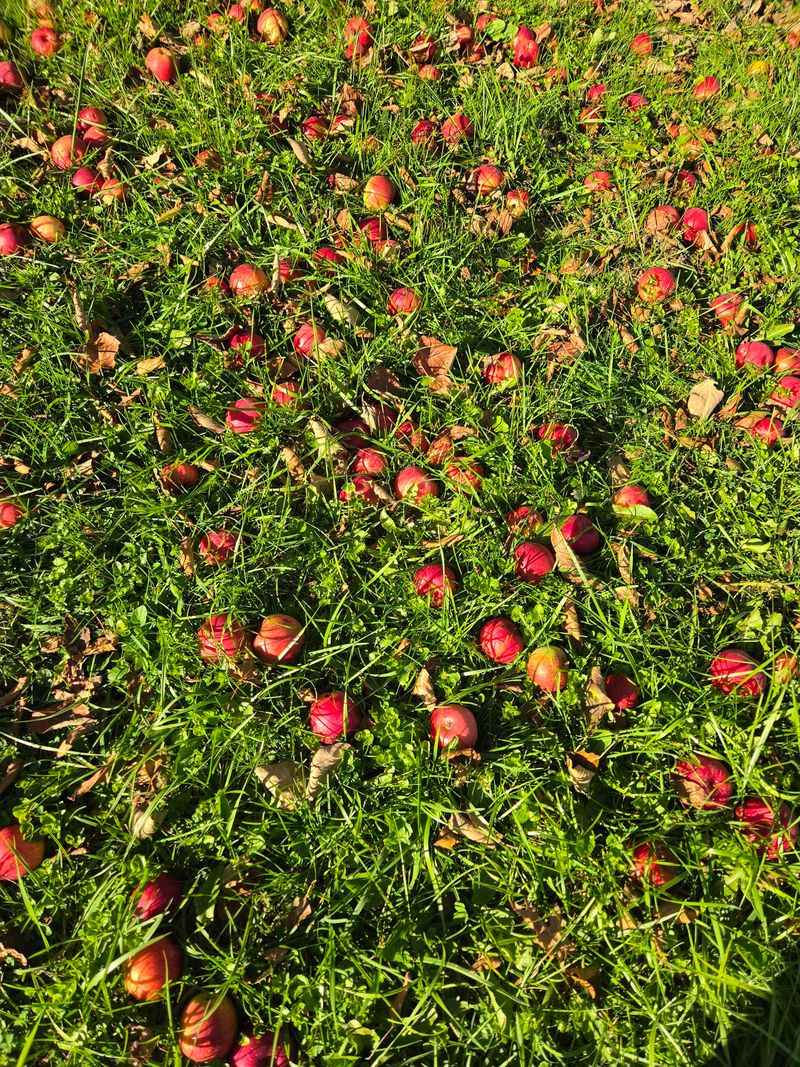
Fallen apples are a free supply of organic matter that can slowly feed your Missouri soil through the cooler months. Organic matter is simply plant or fruit material that breaks down into food for the soil.
Healthy soil needs a steady supply of it, because it holds water and helps roots grow. Many Missouri yards have clay soil, and clay often benefits from extra organic material.
An apple is mostly water, with sugars, fiber, and small amounts of minerals inside the flesh and skin. Once the fruit rots down, those parts return to the ground and help feed the plants nearby.
October is a smart time to think about this, since trees in the state drop fruit through the fall. Cool weather slows the process, but soil life keeps working until the ground freezes hard.
Extension services in the Midwest often suggest adding organic material in autumn so it has months to break down. By spring, the soil is often softer and easier to dig.
Still, a heavy pile of rotting fruit on the lawn can block light from the grass and attract unwanted visitors. A better plan is to gather the apples and put them where they can help the soil without causing problems.
Think of each apple as a tiny bag of plant food waiting to be used. A little effort now can pay off in better garden beds next year.
© Reddit
Sugar is quick energy for tiny living things in the soil, and apples hold plenty of it. Bacteria and fungi find that sweet food fast, and they multiply when it shows up.
These microbes are too small to see, yet they do big jobs in your garden. They break down old plant matter and release nutrients that roots can take in.
Research from university soil scientists shows that active microbe communities help build stable soil structure. That structure lets water soak in and lets air reach the roots.
In Missouri, soil temperatures drop through October and November, so microbes slow down but do not stop. Fruit that is chopped or crushed gives them more surface to work on.
Gardeners can help by smashing apples with a shovel or running a mower over them. Smaller pieces break down faster than whole fruit.
Earthworms join the work too, pulling bits of soft fruit and leaves down into their tunnels for microbes to finish. Their castings add nutrients, and their burrows open small channels that help heavy Missouri clay drain a little better.
One caution is that a thick layer of sugary fruit can turn sour and smelly. Mixing it with dry leaves or straw keeps air moving through the pile.
Most backyard gardeners rarely see the microbes at work. You will notice the results later, when the soil looks darker and feels loose in your hands.
© ucanr.edu
Apples left on the ground can be a hidden problem as well as a resource. Pests that damage fruit often finish growing inside fallen apples before they move to bark or soil for winter.
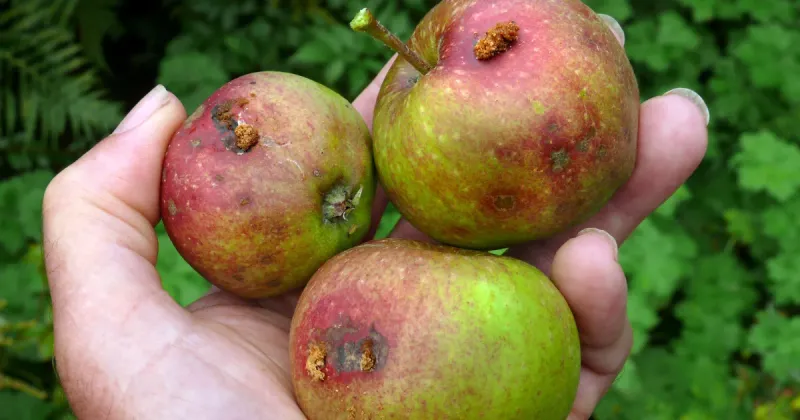
Codling moth larvae, the small worms found inside apples, may leave infested fruit and look for a hiding spot. Many then spin cocoons in bark crevices or in the debris near the trunk.
Apple maggot flies can also use dropped fruit, according to several Midwest extension guides. Their larvae burrow into the soil and wait until the following summer.
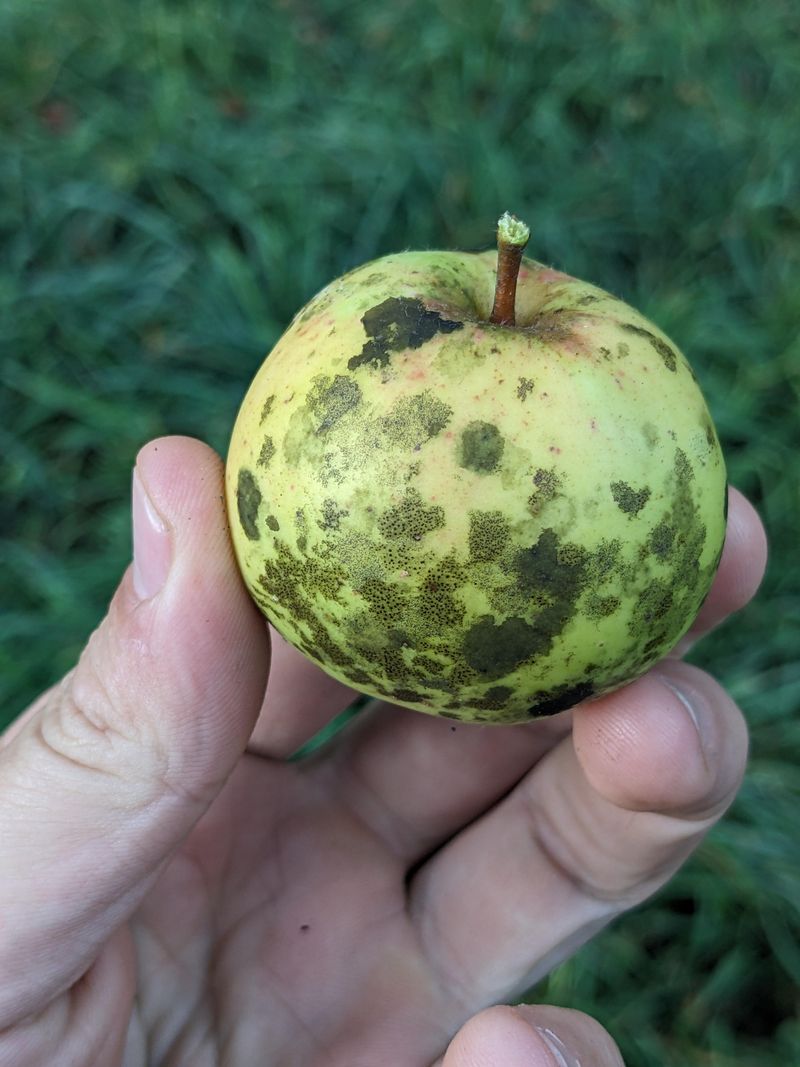
Diseases can linger too, since black rot survives on old fruit and apple scab survives on fallen leaves. Spores can then spread to new growth when spring rain arrives.
Picking up drops every few days in autumn is one of the simplest ways to reduce these risks. It will not stop every pest, but it can lower the numbers.
Wear gloves and use a bucket or wheelbarrow, since rotten fruit is slippery and often attracts wasps. Check the bucket for insects before you lift it.
Cleaning up is not about being perfect. A tidy tree base gives pests fewer places to hide, and that makes next season easier to manage.
© Reddit
Before you toss all the apples in one pile, take a few minutes to sort them. Sorting keeps the useful fruit separate from the pieces that carry trouble.
Sound fruit has only small bruises and no worm holes or soft brown rot. You can cook it within a day or two, though extension guides advise against pressing ground drops into unpasteurized juice.
Windfalls usually keep for a shorter time than picked apples, so store sound ones in the refrigerator right away. Badly bruised fruit gives off more ethylene gas, so keep it apart from healthy apples to slow their ripening.
Fruit with tunnels, black scabby patches, or fuzzy mold is a different story. Extension experts often suggest bagging badly infested fruit and sending it out with the trash.
Fruit with only light spots can usually go into a hot compost pile. Cool piles may not reach the heat needed to reduce disease spores and insect eggs.
Look closely at the stem end and the bottom of each apple. Small brown holes often mean a larva has already tunneled inside.
If you are unsure, cut one apple open and check the center. A quick look can save you from spreading problems around the garden.
Neighbors and local food pantries sometimes welcome good apples, so ask before you throw them out. Some Missouri gleaning groups collect extra produce from farms and gardens and share it with families in need.
© Reddit
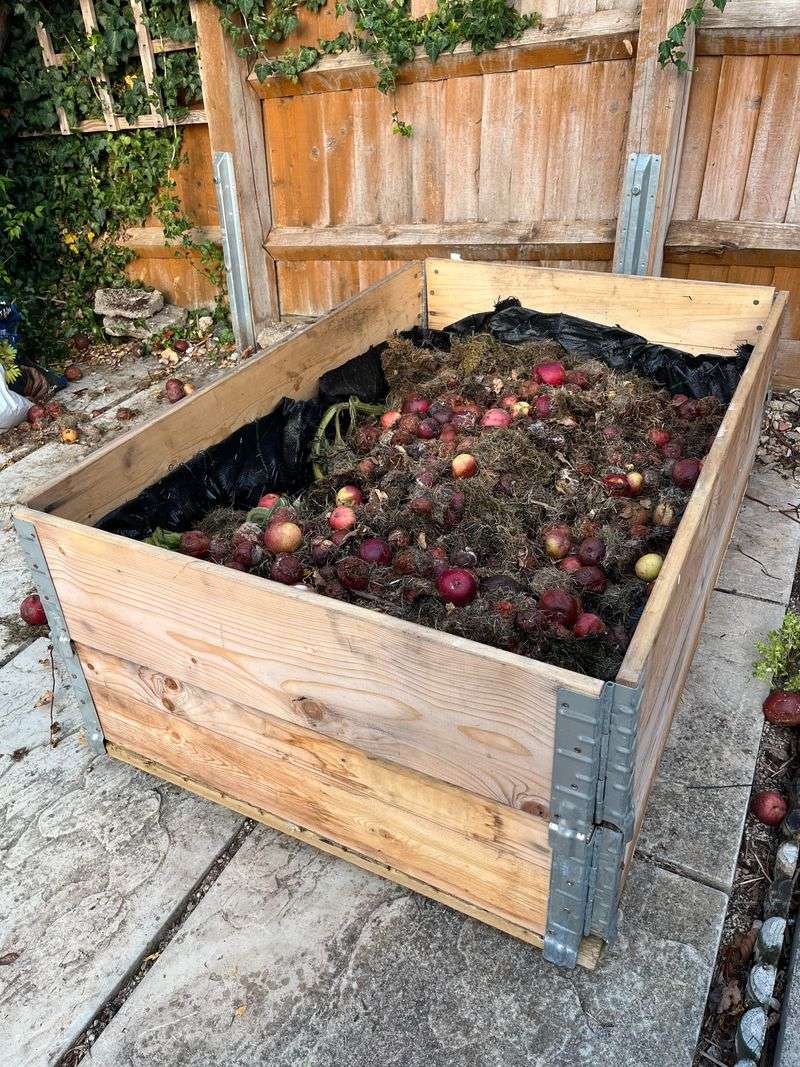
A well-built compost pile can handle a lot of apples in one season. Heat is the secret, because warm piles break material down quickly and reduce many pests.
Most guides suggest a pile at least three feet wide and three feet tall. That size holds enough warmth to reach temperatures between 130 and 150 degrees Fahrenheit.
Apples are wet and rich in sugar, which gardeners call green material. To balance them, add brown material such as dry leaves, shredded paper, or straw.
A good mix is about one part apples to two or three parts browns. That ratio keeps the pile from turning slimy or smelly.
Layer the fruit and leaves, and chop the apples first so they break down faster. Turn the pile every week or two to bring in fresh air.
A long compost thermometer pushed into the center shows whether the pile is heating up as it should. If the reading stays low for a week, add more chopped apples or a little water and turn it again.
Cover the top with a thin layer of leaves to keep fruit flies and wasps away. A tarp can also hold in warmth when October nights turn cold.
Finished compost looks dark and crumbly and smells like forest soil. In cool fall weather, expect the process to take a few months rather than a few weeks.
© Farmers’ Almanac
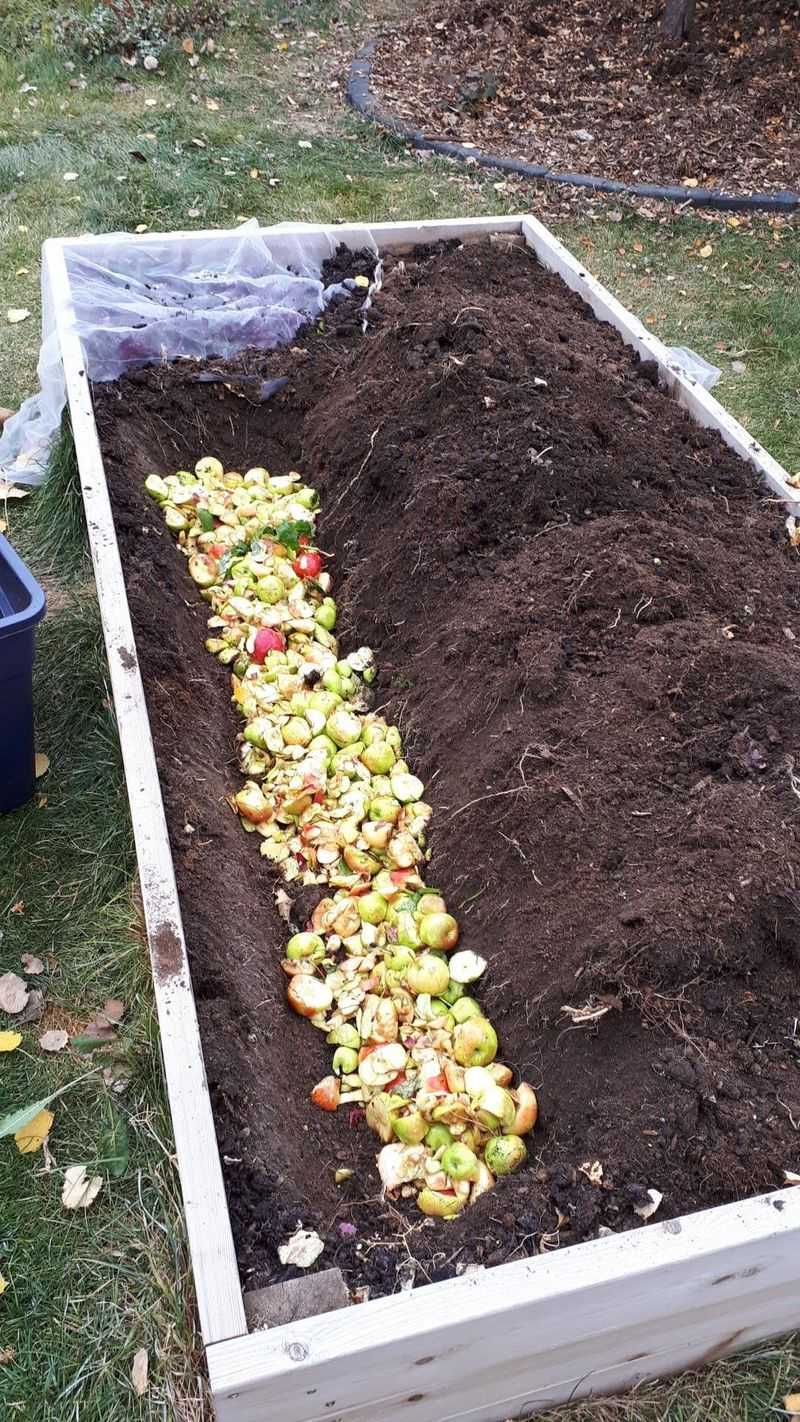
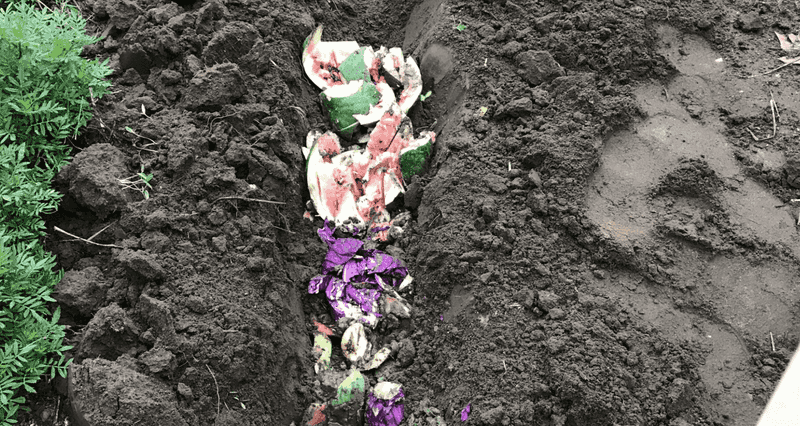
Trench composting lets you skip the pile and feed a garden bed directly. You simply dig a hole, add fruit, and cover it with soil.
Start with a trench about 12 inches deep in a bed you are not using this winter. Place chopped apples in the bottom and mix in a few handfuls of dry leaves.
Cover the material with at least eight inches of soil so animals are less likely to dig it up. Pressing the soil down gently helps seal in the smell.
Over winter, worms and microbes keep working below the surface. By April, much of the fruit will have broken down into material that plants can use.
Wait until spring to plant right over the trench, since fresh buried fruit can tie up some nitrogen for a time. Rotating the spot with a different crop each year spreads the benefit around.
Missouri gardeners often find this method easy when the ground is not yet frozen in October or early November. After a hard freeze, digging becomes much harder.
Mark the trench with a stake so you remember where it is. In spring, tomatoes, squash, and peppers often grow well in beds that were enriched this way.
The post Those Fallen Apples Under Your Missouri Tree Are Worth More Than You Think appeared first on Positivebloom.
Missouri extension specialists often warn that fruit left under a tree can harbor pests such as codling moth larvae. Those larvae leave the fruit and spin cocoons in bark cracks or ground debris, where they wait out the winter.
Gardeners have used apple scraps in compost for generations, since the fruit breaks down faster than woody yard waste. A warm pile can turn bruised apples into dark, crumbly material in a few months.
I like how one messy pile under a tree can become a garden helper if you handle it well. You need a plan before the drops pile up, so what will you do with yours this October?
Free Organic Matter That Feeds Missouri Soil Through Winter
Fallen apples are a free supply of organic matter that can slowly feed your Missouri soil through the cooler months. Organic matter is simply plant or fruit material that breaks down into food for the soil.
Healthy soil needs a steady supply of it, because it holds water and helps roots grow. Many Missouri yards have clay soil, and clay often benefits from extra organic material.
An apple is mostly water, with sugars, fiber, and small amounts of minerals inside the flesh and skin. Once the fruit rots down, those parts return to the ground and help feed the plants nearby.
October is a smart time to think about this, since trees in the state drop fruit through the fall. Cool weather slows the process, but soil life keeps working until the ground freezes hard.
Extension services in the Midwest often suggest adding organic material in autumn so it has months to break down. By spring, the soil is often softer and easier to dig.
Still, a heavy pile of rotting fruit on the lawn can block light from the grass and attract unwanted visitors. A better plan is to gather the apples and put them where they can help the soil without causing problems.
Think of each apple as a tiny bag of plant food waiting to be used. A little effort now can pay off in better garden beds next year.
Sugars Inside The Fruit Fuel Hungry Soil Microbes
Sugar is quick energy for tiny living things in the soil, and apples hold plenty of it. Bacteria and fungi find that sweet food fast, and they multiply when it shows up.
These microbes are too small to see, yet they do big jobs in your garden. They break down old plant matter and release nutrients that roots can take in.
Research from university soil scientists shows that active microbe communities help build stable soil structure. That structure lets water soak in and lets air reach the roots.
In Missouri, soil temperatures drop through October and November, so microbes slow down but do not stop. Fruit that is chopped or crushed gives them more surface to work on.
Gardeners can help by smashing apples with a shovel or running a mower over them. Smaller pieces break down faster than whole fruit.
Earthworms join the work too, pulling bits of soft fruit and leaves down into their tunnels for microbes to finish. Their castings add nutrients, and their burrows open small channels that help heavy Missouri clay drain a little better.
One caution is that a thick layer of sugary fruit can turn sour and smelly. Mixing it with dry leaves or straw keeps air moving through the pile.
Most backyard gardeners rarely see the microbes at work. You will notice the results later, when the soil looks darker and feels loose in your hands.
Windfalls Left Under The Branches Invite Next Year’s Pests
© ucanr.edu
Apples left on the ground can be a hidden problem as well as a resource. Pests that damage fruit often finish growing inside fallen apples before they move to bark or soil for winter.
Codling moth larvae, the small worms found inside apples, may leave infested fruit and look for a hiding spot. Many then spin cocoons in bark crevices or in the debris near the trunk.
Apple maggot flies can also use dropped fruit, according to several Midwest extension guides. Their larvae burrow into the soil and wait until the following summer.
Diseases can linger too, since black rot survives on old fruit and apple scab survives on fallen leaves. Spores can then spread to new growth when spring rain arrives.
Picking up drops every few days in autumn is one of the simplest ways to reduce these risks. It will not stop every pest, but it can lower the numbers.
Wear gloves and use a bucket or wheelbarrow, since rotten fruit is slippery and often attracts wasps. Check the bucket for insects before you lift it.
Cleaning up is not about being perfect. A tidy tree base gives pests fewer places to hide, and that makes next season easier to manage.
Sorting Sound Fruit From Diseased Drops
Before you toss all the apples in one pile, take a few minutes to sort them. Sorting keeps the useful fruit separate from the pieces that carry trouble.
Sound fruit has only small bruises and no worm holes or soft brown rot. You can cook it within a day or two, though extension guides advise against pressing ground drops into unpasteurized juice.
Windfalls usually keep for a shorter time than picked apples, so store sound ones in the refrigerator right away. Badly bruised fruit gives off more ethylene gas, so keep it apart from healthy apples to slow their ripening.
Fruit with tunnels, black scabby patches, or fuzzy mold is a different story. Extension experts often suggest bagging badly infested fruit and sending it out with the trash.
Fruit with only light spots can usually go into a hot compost pile. Cool piles may not reach the heat needed to reduce disease spores and insect eggs.
Look closely at the stem end and the bottom of each apple. Small brown holes often mean a larva has already tunneled inside.
If you are unsure, cut one apple open and check the center. A quick look can save you from spreading problems around the garden.
Neighbors and local food pantries sometimes welcome good apples, so ask before you throw them out. Some Missouri gleaning groups collect extra produce from farms and gardens and share it with families in need.
A Hot Compost Pile Turns Bruised Fruit Into Dark Crumbly Compost
A well-built compost pile can handle a lot of apples in one season. Heat is the secret, because warm piles break material down quickly and reduce many pests.
Most guides suggest a pile at least three feet wide and three feet tall. That size holds enough warmth to reach temperatures between 130 and 150 degrees Fahrenheit.
Apples are wet and rich in sugar, which gardeners call green material. To balance them, add brown material such as dry leaves, shredded paper, or straw.
A good mix is about one part apples to two or three parts browns. That ratio keeps the pile from turning slimy or smelly.
Layer the fruit and leaves, and chop the apples first so they break down faster. Turn the pile every week or two to bring in fresh air.
A long compost thermometer pushed into the center shows whether the pile is heating up as it should. If the reading stays low for a week, add more chopped apples or a little water and turn it again.
Cover the top with a thin layer of leaves to keep fruit flies and wasps away. A tarp can also hold in warmth when October nights turn cold.
Finished compost looks dark and crumbly and smells like forest soil. In cool fall weather, expect the process to take a few months rather than a few weeks.
Buried Fruit Gives Spring Garden Beds A Head Start
© Farmers’ Almanac
Trench composting lets you skip the pile and feed a garden bed directly. You simply dig a hole, add fruit, and cover it with soil.
Start with a trench about 12 inches deep in a bed you are not using this winter. Place chopped apples in the bottom and mix in a few handfuls of dry leaves.
Cover the material with at least eight inches of soil so animals are less likely to dig it up. Pressing the soil down gently helps seal in the smell.
Over winter, worms and microbes keep working below the surface. By April, much of the fruit will have broken down into material that plants can use.
Wait until spring to plant right over the trench, since fresh buried fruit can tie up some nitrogen for a time. Rotating the spot with a different crop each year spreads the benefit around.
Missouri gardeners often find this method easy when the ground is not yet frozen in October or early November. After a hard freeze, digging becomes much harder.
Mark the trench with a stake so you remember where it is. In spring, tomatoes, squash, and peppers often grow well in beds that were enriched this way.
The post Those Fallen Apples Under Your Missouri Tree Are Worth More Than You Think appeared first on Positivebloom.